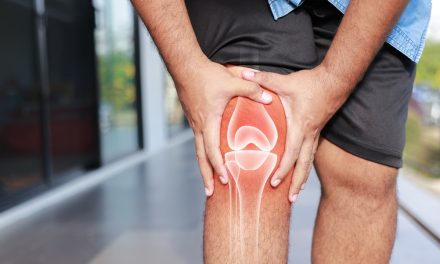
Chronic inflammation is now recognized as a major contributor to joint degeneration in both osteoarthritis and inflammatory arthritis.
(Educational only — not medical advice)
Anyone who lives on the planet long enough will experience at least some degree of arthritis. For many people the condition becomes a source of chronic pain and reduced mobility.
Arthritis is an inflammatory process affecting the joints. Inflammation damages cartilage, irritates the joint lining, and contributes to pain, stiffness, and swelling. Over time this inflammatory process can lead to degeneration of joint tissues.
Why Arthritis Happens
Arthritis develops when inflammation damages the structures inside a joint. The joint lining becomes irritated, inflammatory chemicals are released, and cartilage gradually breaks down. Over time this process can lead to pain, stiffness, and reduced joint mobility. Holistic practitioners have some ideas about how this starts.
Several biological factors contribute to joint degeneration, including:
• chronic inflammation
• oxidative stress
• mechanical stress on joints
• metabolic changes associated with aging
• nutrient deficiencies
Many of these factors interact with each other. For example, inflammatory signaling can increase oxidative stress, which further damages joint tissues and accelerates cartilage breakdown.
You can read more about the role of chronic inflammation in disease here.
Many patients rely heavily on pain medications such as non-steroidal anti-inflammatory drugs (NSAIDs). While these drugs may temporarily reduce pain, they often do not address the underlying inflammatory processes driving joint damage.
Fortunately, there are several nutritional and lifestyle approaches that may support joint health and help reduce inflammatory stress in the body.
NSAIDs
NSAIDs are the common drugs for pain control. They include naproxen, ibuprophen, aspirin, and others. About 40% of NSAIDs users have stomach and intestinal symptoms, the most frequent being GERD (heartburn). Other symptoms include belching, stomach pain or discomfort, bloating, and nausea after eating. A study found that 11% of preventable hospital admissions were due to pain medication1. Prescription drugs are the third leading cause of death after heart disease and cancer in the United States and Europe. Around half of those who die have taken their drugs correctly; the other half die because of errors, such as too high a dose or use of a drug despite contraindications1.
Other research links pain medications to high blood pressure2, kidney failure3, heart failure4, ulceration of the GI tract5, and some drugs even interfere with bone repair6.
The connection between NSAIDs and kidney disease is an interesting one. On January 29, 2002, the New York Times published an article discussing the prevalence of kidney disease in the NBA and the players’ propensity to take large amounts of ibuprofen.
One study found that in 2,000 arthritic patients, NSAID use increased ulcer risk 10-fold. Almost 25% of NSAID users have ulcers5. There is also a strong correlation between the use of pain medication and the symptoms of irritable bowel syndrome7.
NSAIDs perpetuate the very problem that they are designed to treat. They actually increase the body’s oxidative stress—leading to further inflammation and pain. Research has demonstrated that NSAIDs interfere with formation of cartilage8,9,10,11. People taking NSAIDs for arthritis pain are actually making the situation worse.
Pancreatic Enzymes for Inflammation
Taking enzymes with a meal will help to digest the food. Enzymes have been extensively studied and have demonstrated an ability to reduce pain and inflammation when taken on an empty stomach. They also speed healing, and do so with few, if any, side effects. Studies have shown enzymes to be comparable to NSAIDs in relieving pain, joint stiffness and improving function12,13,14,15,16,17,18,19,20,21.
Other studies have shown enzymes to be effective for managing arthritis. In some studies, they outperform drugs17,18,19. Enzymes have also been used to reduce pain and improve healing after surgery14,15 In one study, involving patients who had undergone cosmetic surgery, the authors stated, “Systemic enzyme therapy with its pharmacological effects represents a preventive and curative option for inflammatory process including healing. Excellent results were presented, namely, in the treatment of secondary lymphoedema14.”
Niacinamide
Niacinamide can not only reduce pain in arthritis; it can also improve function. In the 1990s, a pilot study looked at 72 patients with osteoarthritis. They were given either a placebo or niacinamide for 12 weeks. The study found that niacinamide not only reduces pain, it also improves function22. Another study, involving 2375 patients found the same thing23.
For the pain and swelling associated with osteoarthritis According to William Kaufman, M.D., Ph.D., noted that after treating thousands of patients with high dose niacinamide, “… no adverse side effects were reported.” Both Dr Wright and Dr Kaufman indicated that the dose required to achieve results with most patients is 1000 mg 3x/day. It has been found that starting them on 500 mg a day (1 capsule) and working up to the required dose of 1000 mg 3x/day will ameliorate and ultimately overcome the digestive upset.
MSM
MSM inhibits chemicals that cause inflammation (namely NF-κB and downregulates TNF-α IL-1, and IL-626,27,28,29). MSM may indirectly reduce inflammation30,31,32. Dr. Herschler patented MSM as an anti-inflammatory substance32,33,34. Less inflammation means less pain. Clinical trials suggest MSM is effective in reducing pain, as indicated by the VAS pain scale and the WOMAC pain subscale35,36,37.
MSM does more than reduce pain, it can improve function for patients with arthritis. Improvements in overall physical function have also been noted through the use of subjective measurements35,36,37.
Diet and Lifestyle
Motion is lotion: Many patients with arthritis protect the joint and avoid movement; this makes things worse. Get them to exercise and strengthen the muscles of the affected joint.
Diet: Many of the foods in your diet can cause inflammation. Read Eat Your Way Out of Pain and Roadmap to Health to learn more. It is an anti-inflammatory diet. Printed booklets are free with purchase. You can also get a free PDF file of the book. It includes meal plans and recipes. If they have been eating a junk food diet, consider adding SunFlax Complex to supply them with healthy essential fatty acids.
- (Pol Arch Med Wewn 2014;124(11):628-34). Our prescription drugs kill us in large numbers
- Archives of Internal Medicine October 28, 2002;162:2204-2208. Frequency of analgesic use and risk of hypertension in younger women
- New England Journal of Medicine December 20, 2001;345:1801-1808. Acetaminophen, Aspirin, and Chronic Renal Failure
- Archives of Internal Medicine (February 11, 2002;162:265-270). Association of Nonsteroidal Anti-inflammatory Drugs With First Occurrence of Heart Failure and With Relapsing Heart Failure
- Arch Intern Med. 1996 Jul 22;156(14):1530-6. Gastrointestinal tract complications of nonsteroidal anti-inflammatory drug treatment in rheumatoid arthritis. A prospective observational cohort study
- Journal of Bone and Mineral Research (June, 2002 17:963). Cyclo-oxygenase 2 function is essential for bone fracture healing
- Am J Gastroenterol. 2000 Jan;95(1):157-65. Risk factors for irritable bowel syndrome: role of analgesics and food sensitivities
- Am J Med . 2009 Sep;122(9):836-42. Do NSAIDs affect longitudinal changes in knee cartilage volume and knee cartilage defects in older adults?
- Biochem Pharmacol 1991 May 1;41(9):1375-84. Comparison of the effects of non-steroidal anti-inflammatory drugs (NSAIDs) on proteoglycan synthesis by articular cartilage explant and chondrocyte monolayer cultures
- Br J Rheumatol . 1992;31 Suppl 1:13-7. Effect of non-steroidal anti-inflammatory drugs (NSAIDS) on glycosyltransferase activity from human osteoarthritic cartilage
- Arterioscler Thromb Vasc Biol. 2014 Dec;34(12):2637-43 T-cell profile in adipose tissue is associated with insulin resistance and systemic inflammation in humans
- Antibiot Khimioter. 2012;57(9-10):25-7, 29-31 [Impact of exogenous proteolytic enzymes on immunogenesis in patients with urogenital infections]
- Br J Obstet Gynaecol. 1983 Jul;90(7):650-3 Polyglycolic acid and catgut sutures, with and without oral proteolytic enzymes, in the healing of episiotomies
- Aesthetic Plast Surg. Jan-Feb 1999;23(1):41-4. Orally administered proteases in aesthetic surgery
- 1993 Dec;42(12):856-61 [Perioperative enzyme therapy. A significant supplement to postoperative pain therapy?]
- Wien Med Wochenschr. 1996;146(5):91-5 [Results of a double-blind, randomized comparative study of Wobenzym-placebo in patients with cervical syndrome]
- Wien Med Wochenschr. 1996;146(3):55-8. [Drug therapy of activated arthrosis. On the effectiveness of an enzyme mixture versus diclofenac]
- Wien Med Wochenschr. 1999;149(21-22):577-80. [Reducing pain by oral enzyme therapy in rheumatic diseases]
- Adv Ther 2018 Jan;35(1):31-42. The Role of Trypsin:Chymotrypsin in Tissue Repair
- Journal of Strength and Conditioning Research (2007 Aug;21(3):661-7)
- Clinical Experimental Rheumatology (2006 Jan-Feb;24(1):25-30) Efficacy and tolerance of an oral enzyme combination in painful osteoarthritis of the hip. A double-blind, randomised study comparing oral enzymes with non-steroidal anti-inflammatory drugs
- Inflamm Res 1996 Jul;45(7):330-4. The effect of niacinamide on osteoarthritis: a pilot study
- Msm-the Definitive Guide: A Comprehensive Review of the Science and Therapeutics of Methylsulfonylmethane. Freedom Press; Topanga, CA, USA: 2003
- Herschler R.J. Methylsulfonylmethane and Methods of Use. 4,296,130. U.S. Patent. 1979 Aug 30
- Methylsulfonylmethane inhibits RANKL-induced osteoclastogenesis in BMMs by suppressing NF-κB and STAT3 activities. PLoS ONE. 2016;11:e0159891.
- The anti-inflammatory effects of methylsulfonylmethane on lipopolysaccharide-induced inflammatory responses in murine macrophages. Biol. Pharm. Bull. 2009;32:651–656.
- Methylsulfonylmethane inhibits NLRP3 inflammasome activation. Cytokine. 2015;71:223–231.
- The effect of distilled methylsulfonylmethane (msm) on human chondrocytes in vitro. Osteoarthr. Cartil. 2007;15:C123.
- The anti-inflammatory effects of methylsulfonylmethane on lipopolysaccharide-induced inflammatory responses in murine macrophages. Biol. Pharm. Bull. 2009;32:651–656.
- The role of nitric oxide on endothelial function. Curr. Vasc. Pharmacol. 2012;10:4–18.
- A regulator of mast cell activation and mast cell-mediated inflammation. Clin. Exp. Immunol. 2002;129:4–10.
- Use of Methylsulfonylmethane to Relieve Pain and Relieve Pain and Nocturnal Cramps and to Reduce Stress-Induced Deaths in Animals. 4,973,605. U.S. Patent. 1989 Jul 26.
- Dietary Products and Uses Comprising Methylsulfonylmethane. 4,863,748. U.S. Patent. 1986 Jun 26
- Dietary and Pharmaceutical Uses of Methylsulfonylmethane and Compositions Comprising It. 4,514,421. U.S. Patent. 1982 Sep 14 Cold Spring Harb Perspect Biol. 2009 Dec; 1(6): a001651
- The role of msm in knee osteoarthritis: A double blind, randomized, prospective study. Osteoarthr. Cartil. 2007;15:C231.
- Efficacy of methylsulfonylmethane (MSM) in osteoarthritis pain of the knee: A pilot clinical trial. Osteoarthr. Cartil. 2006;14:286–294.
- The effect of methylsulfonylmethane on osteoarthritic large joints and mobility. Int. J. Orthop. 2014;1:19–24.