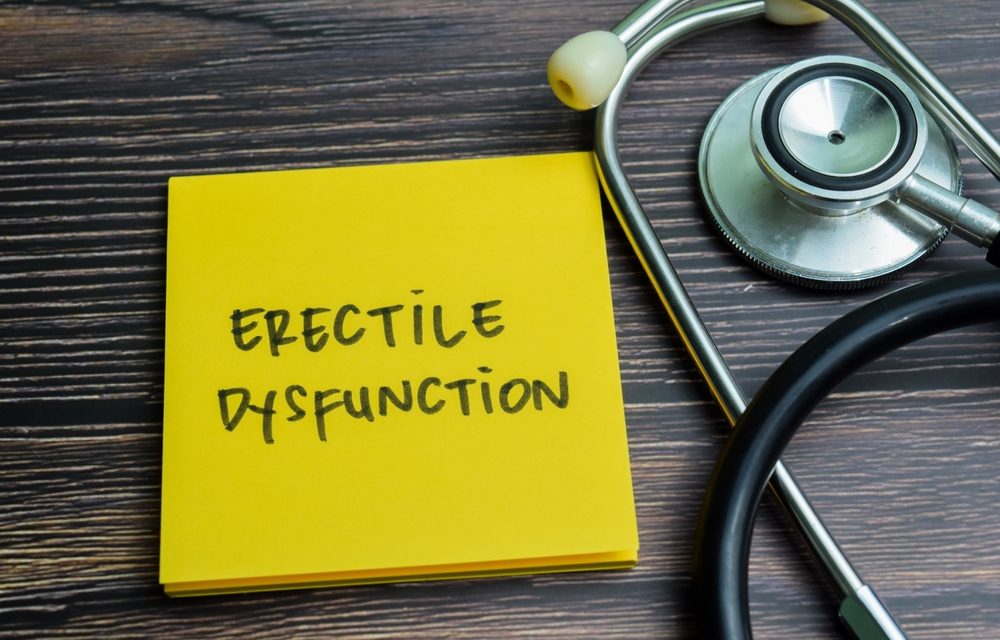
Erectile dysfunction (ED) is most often related to impaired circulation. Because it can be an early indicator of vascular dysfunction, ED may also serve as a warning sign for future cardiovascular problems.
Several herbs and nutrients have been studied for their potential effects on erectile function. A double-blind, placebo-controlled study published in the Asian Journal of Andrology (2007; 9(2):241–244) evaluated Korean red ginseng in 60 men with erectile dysfunction. After 12 weeks, men receiving 1,000 mg of Korean red ginseng three times daily showed significant improvement in symptoms as measured by the five-item International Index of Erectile Function (IIEF-5). The placebo group did not experience significant improvement.
Another botanical, Lepidium meyenii (maca), was evaluated in men with mild erectile dysfunction. A double-blind, placebo-controlled study published in Andrologia (2009; 41(2):95–99) included 50 participants who received either 2,400 mg of maca extract daily or a placebo. The maca group showed improvements in IIEF-5 scores as well as in satisfaction questionnaires.
Other substances, such as arginine and ginkgo biloba, have also been studied, with mixed results. Taken together, the evidence suggests that it is unlikely an herb alone will resolve erectile dysfunction without addressing underlying contributors.
Circulatory health appears to be central. Erectile dysfunction is common in men with metabolic syndrome. A study published in Diabetes Care (May 2005; 28(5):1201–1203) compared 100 men with metabolic syndrome to matched healthy controls. Men with metabolic syndrome had more than twice the incidence of erectile dysfunction compared with controls (26.7% vs. 13%).
Lifestyle factors that reduce cardiovascular risk may also improve erectile function. Research published in the Journal of the American Medical Association (June 23/30, 2004; 291(24):2978–2984) followed 110 obese men with erectile dysfunction who did not have diabetes, high cholesterol, or high blood pressure. Participants were randomized to either an intensive diet-and-exercise program aimed at losing at least 10% of body weight or to a control group receiving general lifestyle advice.
After two years, the intervention group experienced a substantial reduction in body mass index, decreased inflammatory markers, and significant improvement in IIEF scores, while the control group showed minimal change.
While some studies suggest potential benefits from herbal therapies, the research consistently supports a comprehensive approach. Lifestyle changes that improve circulation and metabolic health appear to offer the most reliable improvements. Erectile dysfunction is best viewed not simply as a symptom to suppress, but as a signal that underlying physiological processes deserve attention.