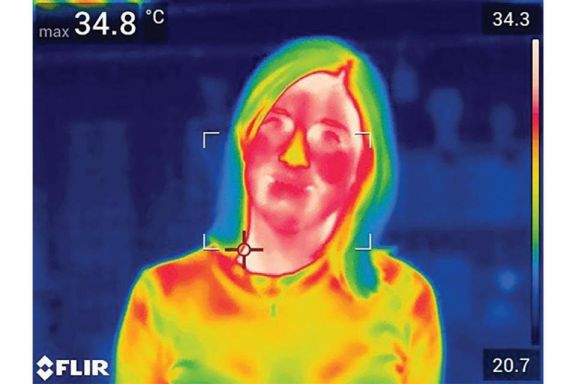
In a previous article, you were given a quick little Band Aid for dealing with hot flashes. It either helped or it didn’t. When dealing with symptoms like hot flashes, sometimes it is better to ask, “Why do I have this?” than it is to ask, “How do I get rid of it?” Very often, the answer to, “Why do I have this?” is inflammation. Frankly, for most chronic conditions, inflammation is at least a factor.
Studies have linked menopausal symptoms to higher levels of inflammation markers such as C-reactive protein (CRP) and interleukin-6 (IL-6). Research suggests that as many of 72.5% of women experiencing menopausal symptoms are in an inflamed state [1,2].
Inflammation is Widespread in the US
Approximately 34.6% of U.S. adults live with systemic chronic inflammation. Furthermore, an even larger percentage—up to 60% of Americans—live with chronic inflammatory diseases or conditions (such as heart disease, diabetes, and obesity).
Signs of Chronic Inflammation
- Persistent Fatigue: Feeling completely drained or exhausted even after getting a full night of sleep.
- Joint and Muscle Pain: Chronic stiffness, body aches, or a “locked up” feeling in the morning.
- Gastrointestinal Distress: Frequent bloating, acid reflux, constipation, or diarrhea.
- Unexplained Weight Fluctuations: Sudden weight gain or difficulty losing weight despite a steady diet.
- Skin Flares: Frequent outbreaks of rashes, eczema, psoriasis, or unexplained redness.
- Frequent Infections: A weakened immune system leading to catching colds, flu, or low-grade fevers more often.
- Poor Sleep
A simple blood test, CRP, may show the presence of inflammation.
Diet, Inflammation and Menopausal Hot Flashes:
The Western diet, with its preponderance of sugar and processed food is designed to produce inflammation. [click for “Eat Your Way Out of Pain”]. Consider following the Roadmap to Health as a way to reduce inflammation.
One important cause of chronic inflammation is insulin resistance. Recent studies have found that women with higher insulin levels are more likely to develop hot flashes earlier and have symptoms that last longer. [Click here to learn how insulin resistance may be making your menopause symptoms worse.]
Curcumin and Menopausal Symptoms:
This section is not included to convince you to run out and buy curcumin to control your hot flashes. You can, it seems to help, but the larger picture should tell you to focus on controlling inflammation in general, with diet.
One randomized clinical trial found that both curcumin and vitamin E reduced hot flashes in postmenopausal women. Curcumin worked faster, with benefits appearing after four weeks, while vitamin E required about eight weeks [3].
Try This:
- Follow the Roadmap to Health
- Take 500 mg curcumin/day
Interestingly, the use of fish oil suggested in part one can also reduce inflammation. This may be a better Band Aid than the one suggested earlier. It will either work or it won’t. Don’t despair, addressing other core issues may help.
Selected References:
- 2024 Nov 1;31(11):973-978. Systemic inflammation and menopausal symptomatology: insights from postmenopausal women
- 2022 Aug 1;29(8):894–904. The Longitudinal Relation of Inflammation to Incidence of Vasomotor Symptoms
- Complement Ther Med. 2020 Jan:48:102267 The effect of oral capsule of curcumin and vitamin E on the hot flashes and anxiety in postmenopausal women: A triple blind randomised controlled trial