
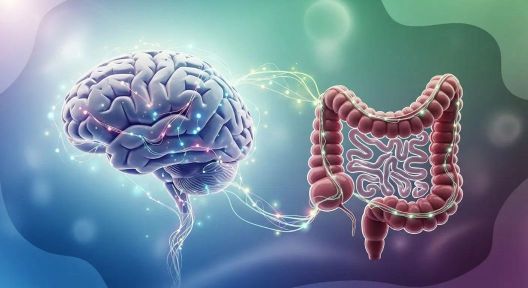
The Gut-Brain Connection: A Way to Help People with Depression & Anxiety
Researchers are becoming increasingly interested in the connection between the bacteria in the intestines and the brain. New research is showing a strong connection between bowel bacteria in the intestine and depression1,2,3,4,5 There is a lot of excitement about this; addressing the makeup of bowel flora and the accompanying inflammation may be the way to help severely depressed individuals. While the microbiome is not the only factor involved, improving gut health may become an important part of helping many people with these conditions. (Read more about inflammation and mental health.)
Simple Ways to Improve Your Gut Health
There are things you can do to ensure that your intestines are home to healthy bacteria.
- Eat a lot of vegetables: Vegetables contain fiber and polyphenols—both of which support a healthy microbiome. The vegetables are important. If this is a problem for you, take a good soluble fiber, like citrus pectin, as you work at increasing the vegetables in your diet.
- Eat a large variety of fruits and vegetables: Try not to eat the same thing all the time. Different vegetables feed different microbes. You want as many kinds of microbes as possible.
- Avoid “crap”: Stay away from sugar, refined foods, chemical additives, and processed oils. Consider following the Roadmap to Health. Crappy food feeds a crappy microbiome.
- Take a probiotic: Now that you are improving the environment of your GI tract, probiotics will be more effective.
- Berberine: Berberine tends to kill harmful bacteria while leaving the beneficial bacteria alone. Berberine can also improve the health of the intestinal lining.
- Eat fermented food: Foods such as kimchi, kefir, sauerkraut, kombucha, tempeh, natto, and miso help support a healthy microbiome. If you don’t tolerate fermented foods—or simply don’t like them—taking a quality probiotic is good enough.
The above will get you started. The gut bacteria are part of a complex ecosystem. Sometimes professional help is needed; you may even need to test which bacteria are in the stool (or not in the stool).
Selected References
- Br J Nutr. 2014 Oct 28;112(8):1341-52 Patterns of dietary intake and serum c Gut Microbes. 2018 Nov 2;9(6):486-496. Probiotics drive gut microbiome triggering emotional brain signatures
- Nutrients 2020 Jun 18;12(6):1815. Flavonoid-Rich Orange Juice Intake and Altered Gut Microbiome in Young Adults with Depressive Symptom: A Randomized Controlled Study
- Psychoneuroendrocrinology 2018 Dec;98:52-60 Marital distress, depression, and a leaky gut: Translocation of bacterial endotoxin as a pathway to inflammation
- Sci Rep. 2020 Feb 28;10(1):3680 Disturbance in human gut microbiota networks by parasites and its implications in the incidence of depression
- Neuro Endocrinol Lett. 2008 Feb;29(1):117-24. The gut-brain barrier in major depression: intestinal mucosal dysfunction with an increased translocation of LPS from gram negative enterobacteria (leaky gut) plays a role in the inflammatory pathophysiology of depression


![Inflammation Hijacks Neurotransmitter Production [Part 3 of 5]](https://wholehealthweb.com/wp-content/uploads/2026/06/serotonin-2-440x264.jpg)





