The Mental Health Crisis—We Are Doing It All Wrong.
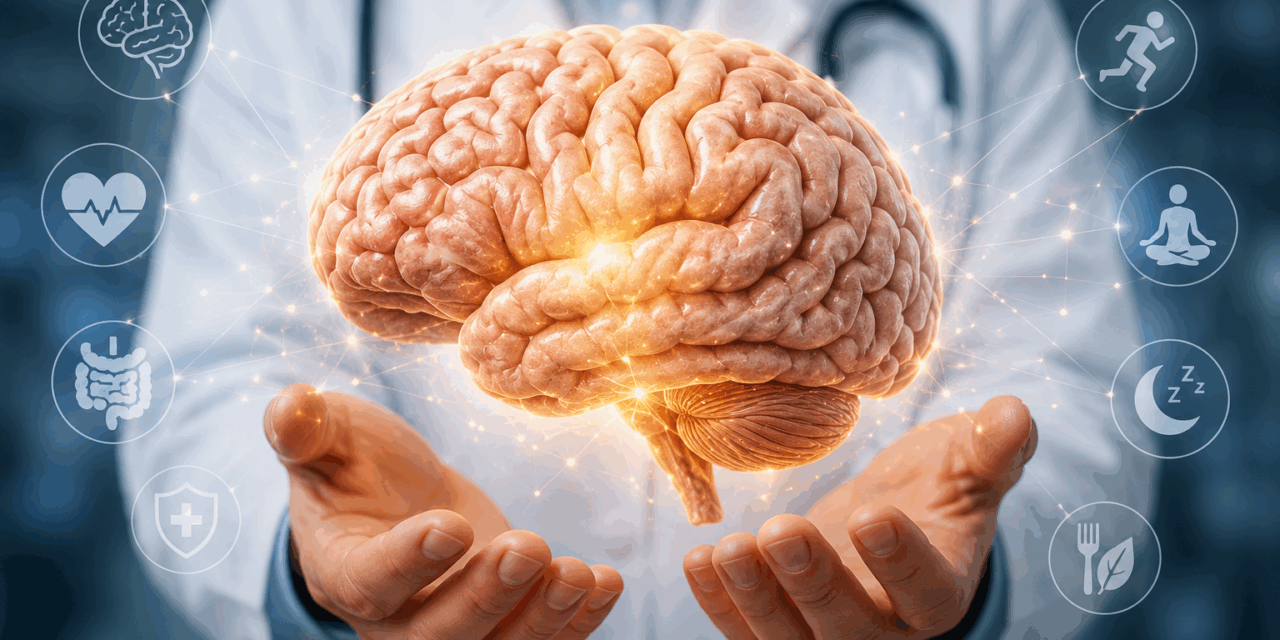
The brain is an organ, just like the heart, lungs, liver, or kidneys. If the brain does not receive adequate nutrition, if it is inflamed, or if it is exposed to excessive stress hormones, it cannot function normally. Yet when people develop depression or anxiety, we often act as though the problem exists in a separate category from the rest of the body.
The drugs that are given to people with depression and anxiety do not work very well, according to recent studies. Not only that, the drugs have also been linked to violence and suicide. Side effects of these drugs include headache, nausea, drowsiness, dry mouth, sexual dysfunction, restlessness, weight gain, insomnia, agitation, rash, and diarrhea. In 2004, studies linked the drugs to teen suicide. The FDA now requires a “black box warning” on package inserts of the drugs (this means the drugs are dangerous). If you are taking a drug for depression or anxiety, DON’T stop; talk to your doctor. Withdrawal symptoms can be severe.
Is There a Better Approach to Mental Health?
Inflammation and Mental Health
Scientists are studying inflammation and how it affects the brain. Inflammation causes depression and anxiety [1-6]. Inflammation is a component of every disease, and 35% of all Americans are walking around it an inflamed state. Since the brain has a high fat content, it is especially vulnerable to inflammation. For many people, getting inflammation under control is enough to relieve their symptoms.
Mood and Adrenal Hormones
Other studies show that people with depression and anxiety are producing too much cortisol (adrenal hormone) [7-15]. Exercises to reduce stress are helpful, as are hobbies and meditation. There are also supplements that can help reduce stress and lower cortisol levels.
Thiamin Deficiency and Mental Health
Thiamin deficiency is more common than is generally believed. Thiamin affects energy production for the brain and early deficiency symptoms include issues with mood, memory, and cognition [16-18]. One study found thiamin deficiency in 30% of psychiatric patients. Thiamin supplementation has been shown to help improve both depression and anxiety.
Lithium as a Trace Nutrient
Most people think of the drug, lithium carbonate, when lithium is mentioned. It is a very high dose and has side effects. Here, we are talking about lithium as a trace nutrient, NOT the drug. Lithium helps improve mood and it protects brain cells [19-24].
Many Other Nutrients Affect Mental Health
Americans tend to eat a highly inflammatory and nutrient deficient diet. Have your patient fill out a dietary intake form to verify. Changing the diet (using the Roadmap to Health) will reduce inflammation. If you have been eating poorly for a long time, supplying extra nutrients will improve results. According to studies, there are many nutrients that can help to improve mood, especially B vitamins and magnesium.
This is NOT a Treatment. It Is Just a Way to Protect Your Brain and Improve Its Function
Download our free report: Natural Healthcare and Mental Health–Looking at Causes, NOT Symptoms
Selected References:
- Brain Behav Immun. 2012 Jan;26(1):90-5 Treatment response and cognitive impairment in major depression: association with C-reactive protein
- Psychoneuroendocrinology 2013 Sep; 38(9): 1573-85 Differential association of somatic and cognitive symptoms of depression and anxiety with inflammation: findings from the Netherlands Study of Depression and Anxiety (NESDA)
- Brain Behav Immun. 2015 Jul;47:193-200 Inhibition of tumor necrosis factor improves sleep continuity in patients with treatment resistant depression and high inflammation
- Anxiety in relation to inflammation and coagulation markers, among healthy adults: the ATTICA study Atherosclerosis. 2006 Apr;185(2):320-6.
- Inflammation in Fear- and Anxiety-Based Disorders: PTSD, GAD, and Beyond Neuropsychopharmacology. 2017 Jan;42(1):254-270.
- Inflammatory markers in post-traumatic stress disorder: a systematic review, meta-analysis, and meta-regression Lancet Psychiatry. 2015 Nov;2(11):1002-12
- Prim Care Companion J Clin Psychiatry. 2001; 3(4): 151–155. The Hypothalamic-Pituitary-Adrenal Axis in Major Depressive Disorder: A Brief Primer for Primary Care Physicians
- Patriquin M.A., Mathew S.J. The Neurobiological Mechanisms of Generalized Anxiety Disorder and Chronic Stress. Chronic. Stress (Thousand Oaks) 2017;1
- Lin E., Tsai S.J. Gene-Environment Interactions and Role of Epigenetics in Anxiety Disorders. Adv. Exp. Med. Biol. 2020;1191:93–102.
- Conway C.C., Rutter L.A., Brown T.A. Chronic environmental stress and the temporal course of depression and panic disorder: A trait-state-occasion modeling approach. J. Abnorm. Psychol. 2016;125:53–63.
- Wade S.L., Monroe S.M., Michelson L.K. Chronic life stress and treatment outcome in agoraphobia with panic attacks. Am. J. Psychiatry. 1993;150:1491–1495.
- Patriquin M.A., Mathew S.J. The Neurobiological Mechanisms of Generalized Anxiety Disorder and Chronic Stress. Chronic. Stress (Thousand Oaks) 2017;1
- Salivary cortisol levels and dental anxiety in children with attention deficit hyperactivity disorder. Eur J Oral Sci. 2007;115(1):1–6.
- Cortisol levels in children with attention-deficit/hyperactivity disorder. J Psychiatr Res. 2012;46:1398–1405.
- Psychoneuroendocrinology Volume 105, July 2019, Pages 178-186 Altered hypothalamus-pituitary-adrenal axis function: A relevant factor in the comorbidity of atopic eczema and attention deficit/hyperactivity disorder?
- Thiamine, riboflavin and pyridoxine deficiency in psychiatric in-patients. Br. J. Psychiatry 1982, 141, 271–272.
- Adjuvant thiamine improved standard treatment in patients with major depressive disorder: Results from a randomized, double-blind, and placebo-controlled clinical trial. Eur. Arch. Psychiatry Clin. Neurosci. 2016, 266, 695–702.
- The impact of thiamine treatment on generalized anxiety disorder. Int. J. Clin. Med. 2011, 2, 439.
- Biol Trace Elem Res. 1990 May;25(2):105-13 Lithium in drinking water and the incidences of crimes, suicides, and arrests related to drug addictions
- J Am Coll Nutr. 2002;21(1):14–21. Lithium: occurrence, dietary intakes, nutritional essentiality.
- Neurosci Lett. 2007 Jun 21;421(1):33-6. Oxidative stress parameters in unmedicated and treated bipolar subjects during initial manic episode: a possible role for lithium antioxidant effects
- Alcohol Volume 3, Issue 2, March–April 1986, Pages 97-100 Lithium orotate in the treatment of alcoholism and related conditions
- Biol Trace Elem Res 1994;40:89-101 Effects of nutritional lithium supplementation on mood. A placebo-controlled study with former drug users
- J Neurochem 2002;80:589-597 Lithium protection against glutamate excitotoxicity in rat cerebral cortical neurons: involvement of NMDA receptor inhibition possibly by decreasing NR2B tyrosine phosphorylation