
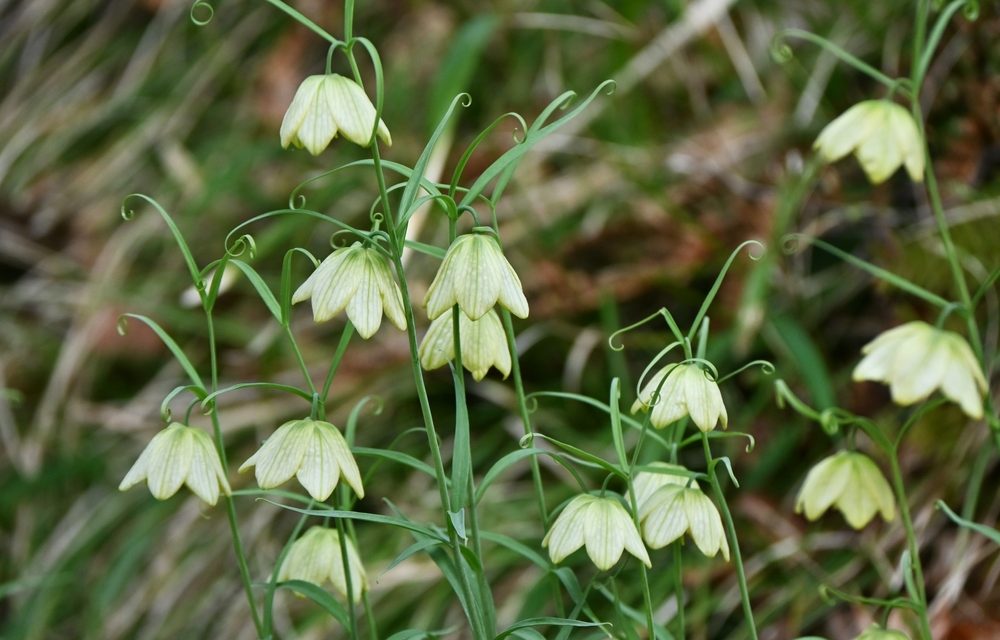
Fritillaria thunbergii (fritillaria) is traditionally used as an antitussive herb and has been described as a potent cough suppressant. It has been shown to exert bronchodilatory effects and to reduce excessive mucosal secretions. Traditional uses include relief of coughing and dyspnea (The Pharmacology of Chinese Herbs, pp. 275–276).
The primary active constituents of Fritillaria thunbergii are alkaloids found in the bulb, and its diterpene content may also contribute to antitussive activity. In traditional Chinese medicine, fritillaria is characterized as bitter and cold in nature, and is used to clear heat, transform phlegm-heat, and dissipate nodules (Chinese Herbal Medicine Materia Medica, pp. 177–178).
Experimental observations suggest that fritillaria’s anti-inflammatory actions share certain functional similarities with corticosteroids used in respiratory and nasal inflammatory conditions. This comparison reflects overlap in physiological effects rather than equivalence in potency or mechanism.







