TL;DR
- Fatty liver often has no early symptoms.
- Diagnosis usually involves ALT/AST blood tests and imaging (ultrasound, CT, MRI).
- Main risk factors: alcohol use, insulin resistance, obesity, refined carbs, and metabolic syndrome.
- Untreated, NAFLD (non-alcoholic fatty liver disease) can progress to NASH (non-alcoholic steatohepatitis) and cirrhosis.
- First steps: improve insulin sensitivity, eat low-glycemic foods, and consider magnesium, berberine, and phosphatidylcholine with clinician guidance.
What Is Fatty Liver?
Fatty liver means too much fat builds up in liver cells. It is common in patients with metabolic syndrome.
- Alcohol-related fatty liver: Caused by heavy drinking.
- Non-alcoholic fatty liver disease (NAFLD): Common in people with obesity and insulin resistance.
How Is Fatty Liver Diagnosed?
Because fatty liver rarely causes symptoms, doctors rely on:
- Blood tests: High ALT and AST can signal liver stress.
- Imaging: Ultrasound, CT, or MRI can show fat in the liver.
Why Fatty Liver Matters
If ignored, NAFLD can develop into non-alcoholic steatohepatitis (NASH)—fat plus inflammation.
NASH may scar the liver and in some cases progress to cirrhosis (roughly 20% of cases over time).
Early detection and action can help prevent long-term liver damage.
First Step: Fix Insulin Resistance
Improving insulin sensitivity is the most important step in reversing fatty liver.
Natural Support for Fatty Liver
1. Low–Glycemic Load Foods
- Choose foods with a glycemic load ≤10.
- Whole, unprocessed foods help reduce liver fat and improve blood sugar. (The Roadmap to Health is perfect for this click here).
2. Magnesium
- People with insulin resistance often have low magnesium.
- Supplements may improve glucose metabolism.
3. Berberine
- Works in a metformin-like way to improve blood sugar and insulin sensitivity.
- Studied for type 2 diabetes, metabolic syndrome, and fatty liver.
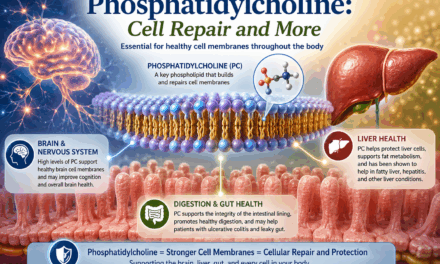
4. Phosphatidylcholine (PC) (read more about phosphatidylcholine)
- Supports fat transport and healthy liver cell membranes.
- Used in protocols for NAFLD and alcoholic fatty liver.
FAQs
What are the early symptoms of fatty liver?
Usually none. Some people may feel fatigue or a fullness in the upper right abdomen.
Who should get checked?
Those with obesity, metabolic syndrome, type 2 diabetes, high triglycerides, a refined-carb diet, or heavy alcohol use.
Can fatty liver be reversed?
Yes—especially early NAFLD—through diet, exercise, and targeted support.
What diet helps fatty liver?
A whole-food diet with lean protein, fiber, vegetables, olive oil, and omega-3s. Limit sugary drinks, refined grains, fructose, and alcohol.
How long until labs improve?
With consistent changes, ALT/AST levels and imaging may improve in 8–12+ weeks.
Research
- J Clin Endocrinol Metab. 1995 Apr;80(4):1376-81 Effects of insulin on plasma magnesium in noninsulin-dependent diabetes mellitus: evidence for insulin resistance
- Nutrients. 2018 Dec 26;11(1):44 The Effects of Oral Magnesium Supplementation on Glycemic Response among Type 2 Diabetes Patients
- Magnes Res. 1994 Mar;7(1):43-7 Effects of oral magnesium supplementation on plasma lipid concentrations in patients with non-insulin-dependent diabetes mellitus
- Diabetes Care. 2014 Feb;37(2):419-27 Higher magnesium intake reduces risk of impaired glucose and insulin metabolism and progression from prediabetes to diabetes in middle-aged Americans
- Metabolism. 2008 May;57(5):712-7 Efficacy of berberine in patients with type 2 diabetes mellitus
- J Ethnopharmacol. 2015 Feb 23;161:69-81 Meta-analysis of the effect and safety of berberine in the treatment of type 2 diabetes mellitus, hyperlipemia and hypertension
- Nat Med. 2004 Dec;10(12):1344-51 Berberine is a novel cholesterol-lowering drug working through a unique mechanism distinct from statins
- Metabolism. 2010 Feb;59(2):285-92 Berberine lowers blood glucose in type 2 diabetes mellitus patients through increasing insulin receptor expression
- J Clin Endocrinol Metab. 2008 Jul;93(7):2559-65 Treatment of type 2 diabetes and dyslipidemia with the natural plant alkaloid berberine
- Planta Med. 2013 Apr;79(6):437-46 The effects of berberine on blood lipids: a systemic review and meta-analysis of randomized controlled trials
- Phytomedicine. 2018 Nov 15;50:25-34 Efficacy and safety of berberine for dyslipidaemias: A systematic review and meta-analysis of randomized clinical trials
- J Transl Med. 2016 Sep 15;14:266 Lipid profiling of the therapeutic effects of berberine in patients with nonalcoholic fatty liver disease
- Metab Syndr Relat Disord. 2013 Oct;11(5):366-9 Effect of berberine administration on metabolic syndrome, insulin sensitivity, and insulin secretion
- Complement Ther Clin Pract. 2020 May;39:101113 The effect of berberine supplementation on obesity indices: A dose- response meta-analysis and systematic review of randomized controlled trials
- Med Welt 1985;72:517-521.19 Controlled study using multiply-unsaturated phosphatidyl-choline in comparison with placebo in the case of alcoholic liver steatosis
- Cas Lek Cesk. 1994 Jun 13;133(12):366-9 [The effect of polyene phosphatidylcholine (Essentiale forte) in the treatment of liver steatosis and ultrasound findings–preliminary study]
- Arteriosclerosis Volume 213, ISSUE 1, P142-147, November 01, 2010 Hydrogenated phosphatidylcholine supplementation reduces hepatic lipid levels in mice fed a high-fat diet
- Cas Lek Cesk. 1994 Jun 13;133(12):366-9. [The effect of polyene phosphatidylcholine (Essentiale forte) in the treatment of liver steatosis and ultrasound findings–preliminary study]
- Gastroenterology1994;106:152-159. Phosphatidyl-choline protects against fibrosis and cirrhosis in the baboon.
Disclaimer
This article is for educational purposes only and is not intended to diagnose, treat, cure, or prevent any disease.