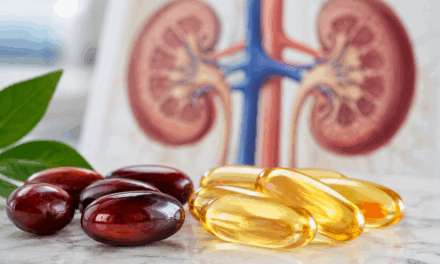
(Educational article – not medical advice)
TL;DR
Despite online myths, cold-pressed vegetable oils rich in linoleic (omega-6) and linolenic (omega-3) acids can support cardiovascular, metabolic, and inflammatory balance. Fish oil isn’t the only “good” fat—plant-based sources provide key fatty acids and protective polyphenols without the contamination risks of marine oils.
Vegetable Oils Are Not “Bad”
If you spend any time on TikTok or Instagram, you’ll find self-proclaimed experts warning that “vegetable oils cause inflammation.” They claim Americans get too much omega-6 and not enough omega-3. The truth is more nuanced.
The heavily processed supermarket oils extracted with heat or chemicals have lost most nutritional value. But cold-pressed oils—like flax, sunflower, and pumpkin seed—retain their essential fatty acids and antioxidant compounds. Good oils can help with inflammatory conditions, like arthritis.
Humans require both omega-6 and omega-3 fatty acids for healthy cell membranes and immune balance. When oils are processed properly, they are not inherently pro-inflammatory. In fact, linoleic acid (LA, omega-6) shows anti-inflammatory and cardiometabolic benefits in multiple studies.
Linoleic Acid: An Anti-Inflammatory Omega-6
-
Higher serum linoleic acid (LA) is linked with lower C-reactive protein (CRP); in 1,287 men, CRP >3 mg/L was 53% lower in the highest vs. lowest LA quartile [2].
-
Clinical trials show that raising dietary LA does not increase inflammatory or oxidative stress markers, and replacing saturated fat with polyunsaturated fat improves CVD risk factors [3].
-
Higher dietary and circulating omega-6 (mainly LA) are associated with better cardiometabolic outcomes and lower all-cause mortality [4].
-
Increased LA levels correspond with reduced prostate cancer risk [5].
-
Across human studies, higher LA status is consistently linked with lower CRP [6].
Polyphenols: Plant Oils’ Hidden Advantage
Cold-pressed vegetable oils naturally contain polyphenols (plant-based antioxidants), antioxidant compounds that fish oil lacks.
Polyphenols include phenolic acids, flavonoids, lignans, stilbenes, tannins, and other plant-based antioxidants. Cold-pressed flax and sunflower oils retain trace amounts, while pumpkin seed oil provides notable polyphenols such as caffeic acid, p-coumaric acid, PHBA, vanillic acid, and sinapic acid, all of which contribute to its anti-inflammatory and cardiometabolic properties.
ALA: The Omega-3 from Flax
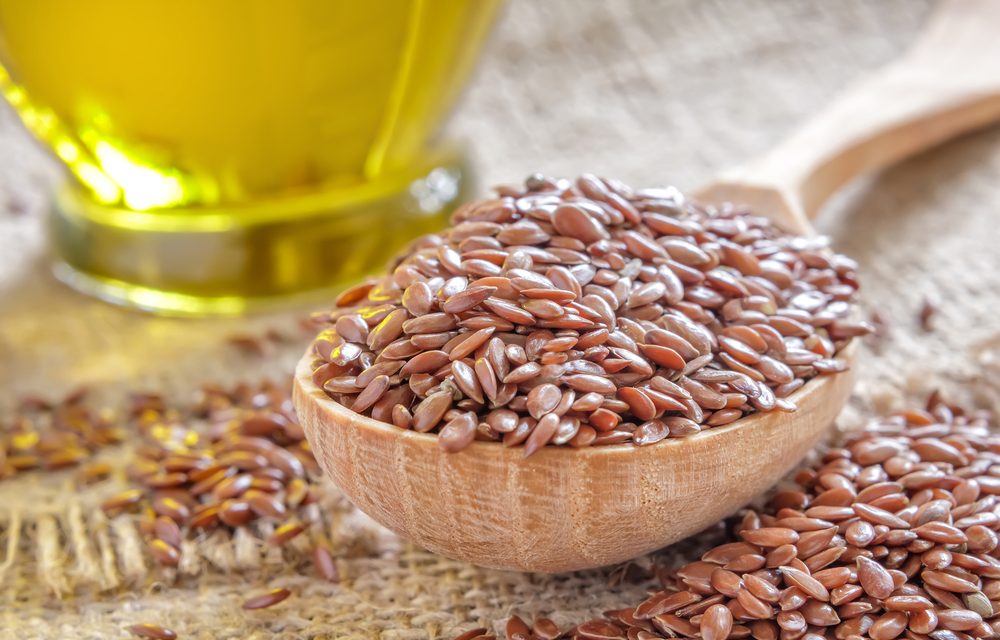
When we talk about omega-3 fatty acids, most people think of fish oil. But alpha-linolenic acid (ALA) from flaxseed oil also supports cardiovascular and metabolic health.
Human studies show:
-
Flax oil is cardioprotective [7,8].
-
Flaxseed intake supports glycemic control in pre-diabetes and diabetes [9,10].
-
ALA intake reduces inflammatory markers and improves lipid balance [14-17].
Conversion of ALA → EPA → DHA depends on nutrient cofactors: magnesium, zinc, vitamin B6, niacin, biotin, vitamin C, iron, and selenium. Deficiencies can limit conversion efficiency.
Fish Oil: Benefits with Caveats
Fish oil (EPA/DHA) offers short-term anti-inflammatory and cardiometabolic benefits. However, long-term data are limited. Potential concerns include:
-
Contaminants such as mercury, dioxins, and microplastics.
-
Lipid peroxidation and oxidative stress at high doses.
-
Immune modulation that can vary by dose and context.
Dr. Ray Peat (PhD, Biology, University of Oregon) has written critically about fish-oil research, noting possible immune and oxidative downsides. Readers can explore his discussion at raypeat.com and review the Cambridge University Press reference on fatty acid metabolism. Additional biochemical details on ALA conversion are summarized at Examine.com.
Bottom Line
-
Cold-pressed plant oils provide essential fatty acids and polyphenols that support healthy inflammation and lipid metabolism.
-
Linoleic acid (omega-6) and alpha-linolenic acid (omega-3) work together; both are needed for balanced cell membranes and signaling.
-
Over-refined oils and nutrient deficiencies—not the natural fatty acids themselves—are the real problem.
Related Articles:
Diabetes Risk Related to Types of Fat in the Diet
FAQ
Q: Are vegetable oils always inflammatory?
A: No. The problem isn’t all vegetable oils—it’s heavily refined oils that are extracted with high heat and chemicals. Those processed oils often lose their natural nutrients and are more likely to be damaged. Cold-pressed plant oils (like flax, sunflower, and pumpkin seed) still contain their natural fatty acids and protective polyphenols, and research links linoleic acid (omega-6) with lower inflammation and better cardiometabolic health in many studies.
Q: Do Americans really get “too much” omega-6 and not enough omega-3?
A: The popular online claim is that we’re drowning in omega-6 and starved for omega-3. In reality, most people probably don’t get enough of either in a high-quality form. When omega-6 comes from cold-pressed oils, nuts, and seeds (rather than fried foods and refined supermarket oils), it can support healthy cell membranes and inflammatory balance.
Q: Isn’t omega-6 supposed to be pro-inflammatory?
A: That’s a simplification. Linoleic acid (LA), the main omega-6 fatty acid in many plant oils, has been associated with lower CRP and better cardiometabolic outcomes in several human studies. The body does use omega-6s to make some pro-inflammatory compounds, but it also uses them for normal immune signaling and tissue repair. Context, overall diet, and the balance with omega-3s matter more than demonizing omega-6 itself.
Q: What’s a healthy omega-6 to omega-3 ratio?
A: There’s still debate. Some researchers suggest a 2:1 ratio of omega-6 to omega-3, others closer to 1:1. The key idea is balance:
-
Avoid relying on refined, heat-damaged oils
-
Include cold-pressed plant oils, nuts, seeds, and other whole-food fat sources
-
Make sure you are actually getting omega-3s from ALA (flax, chia, walnuts) and/or EPA/DHA (fish, algae)
Q: Can flax oil really help the heart like fish oil does?
A: Flax oil provides alpha-linolenic acid (ALA), a plant-based omega-3. Studies link flax and ALA with improved lipids, glycemic control, and lower inflammatory markers in certain groups. Fish oil (EPA/DHA) tends to give a stronger, faster effect in some trials, but it also comes with contamination and oxidation concerns. Flax oil is a useful tool—especially when the overall diet and nutrient status support ALA conversion.
Q: How does the body convert ALA to EPA and DHA?
A: ALA goes through several enzymatic steps to become EPA and then DHA. Those steps require cofactors, including:
-
Magnesium
-
Zinc
-
Vitamin B6
-
Niacin (B3)
-
Biotin (B7)
-
Vitamin C
-
Iron
-
Selenium
If someone is low in these nutrients (which is common in people with poor diet and lifestyle), conversion may be less efficient.
Q: Is it safe to take fish oil long term?
A: Short-term studies on fish oil (EPA/DHA) show benefits for inflammation, lipids, and some cardiometabolic markers. What we don’t have is a large body of very long-term data on high doses in the general population. There are also questions about:
-
Contaminants (mercury, dioxins, microplastics)
-
Lipid peroxidation (oxidative stress from damaged fats)
-
Immune modulation that may or may not be desirable in every context
This doesn’t mean fish oil is “bad,” just that it should be used thoughtfully, and ideally under the guidance of doctors trained in natural healthcare.
Q: Are plant oils better than fish oil?
A: It’s not really “plant oils vs. fish oil.” They do different things and can be used in different situations. Advantages of cold-pressed plant oils include:
-
Source of both essential fatty acids and polyphenols
-
No marine contaminants if sourced and stored properly
-
Useful for long-term dietary support
Fish oil may be helpful when a stronger, targeted EPA/DHA input is needed, but quality and dose matter. The best choice depends on the person, their diet, and their goals—something to discuss with a clinician.
Q: What practical fat choices make sense day to day?
A: In general:
-
Favor cold-pressed plant oils (flax, sunflower, pumpkin seed, olive, etc.)
-
Avoid or limit refined, high-heat processed oils and deep-fried foods
-
Include whole-food fat sources like nuts, seeds, avocado, and fatty fish (if tolerated and good quality)
-
Work with doctors trained in natural healthcare to tailor fat intake to your cardiometabolic status, labs, and overall plan
References
- OCL Volume 17, Number 5, Septembre-Octobre 2010 The omega-6/omega-3 fatty acid ratio: health implications
- Eur J Clin Nutr. 2018 Mar;72(3):342-348. The associations of serum n-6 polyunsaturated fatty acids with serum C-reactive protein in men: the Kuopio Ischaemic Heart Disease Risk Factor Study
- Br J Nutr. 2024 Oct 30;132(8):1039–1050. Perspective on the health effects of unsaturated fatty acids and commonly consumed plant oils high in unsaturated fat
- Lipids in Health and Disease volume 23, Article number: 296 (2024) Beneficial effects of linoleic acid on cardiometabolic health: an update
- Crit Rev Food Sci Nutr. 2024;64(24):8553-8569. Dietary intake and biomarkers of linoleic acid and risk of prostate cancer in men: A systematic review and dose-response meta-analysis of prospective cohort studies
- Eur J Clin Nutr. 2018 Mar;72(3):342-348 The associations of serum n-6 polyunsaturated fatty acids with serum C-reactive protein in men: the Kuopio Ischaemic Heart Disease Risk Factor Study
- Br J Nutr. 2011 Feb;105(3):417-27. High-oleic rapeseed (canola) and flaxseed oils modulate serum lipids and inflammatory biomarkers in hypercholesterolaemic subjects
- 1994 Jun 11;343(8911):1454-9 Mediterranean alpha-linolenic acid-rich diet in secondary prevention of coronary heart disease
- Journal of Medical Sciences, 15: 135-138. Kshitij Bhardwaj, Narsingh Verma, R.K. Trivedi and Shipra Bhardwaj, Flaxseed Oil and Diabetes: A Systemic Review.
- Res., 33: 367-375.2013. Daily flaxseed consumption improves glycemic control in obese men and women with pre-diabetes: A randomized study.
- Am J Clin Nutr. 2001 Nov;74(5):612-9 Relation between dietary linolenic acid and coronary artery disease in the National Heart, Lung, and Blood Institute Family Heart Study
- N Engl J Med. 1997 Nov 20;337(21):1491-9 Dietary fat intake and the risk of coronary heart disease in women
- Circulation, 2005 Vol 11, #22 – Am Heart Assoc Dietary linolenic acid is inversely associated with calcified atherosclerotic plaque in the coronary arteries
- ISRN Inflamm. 2013; 2013: 735158. Effect of L. usitatissimum (Flaxseed/Linseed) Fixed Oil against Distinct Phases of Inflammation (animal study).
- 2003 Apr;167(2):237-42. Dietary alpha-linolenic acid decreases C-reactive protein, serum amyloid A and interleukin-6 in dyslipidaemic patients
- J Nutr. 2004 Nov;134(11):2991-7. Dietary alpha-linolenic acid reduces inflammatory and lipid cardiovascular risk factors in hypercholesterolemic men and women
- Clin Cardiol. 2024 Jan 16;47(1):e24211. Effects of flaxseed supplementation on weight loss, lipid profiles, glucose, and high‐sensitivity C‐reactive protein in patients with coronary artery disease: A systematic review and meta‐analysis of randomized controlled trials