
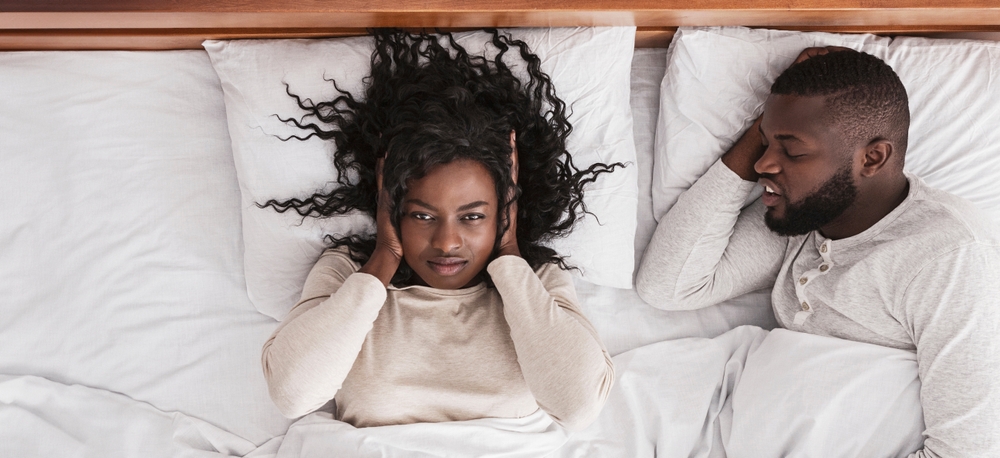
Sleep apnea is one of the most common—and most overlooked—causes of poor sleep. Instead of sleeping continuously, people with sleep apnea repeatedly stop breathing for a few seconds before starting again. These repeated interruptions prevent deep, restorative sleep, even if a person spends eight hours in bed. The most common form, obstructive sleep apnea (OSA), occurs when the muscles in the back of the throat relax and temporarily block the airway. A less common form, central sleep apnea (CSA), occurs when the brain temporarily fails to send the proper signals to the breathing muscles.
Many people with sleep apnea don’t realize they have it. Loud snoring, gasping or choking during sleep, witnessed pauses in breathing, morning headaches, dry mouth, and excessive daytime fatigue are all common warning signs. Untreated sleep apnea increases the risk of high blood pressure, heart disease, stroke, and type 2 diabetes. Fortunately, it is highly treatable. Depending on the cause and severity, treatment may include weight loss, avoiding alcohol before bedtime, sleeping on your side, oral appliances, CPAP therapy, or, in some cases, surgery. If you or your partner notice these symptoms, ask your healthcare provider whether a sleep study is appropriate.







