
A long time ago, I came across a statement that claimed if a patient ate a diet that was 80% alkaline, it would create healing. Eating a 60% alkaline diet could maintain health. Many successful natural healthcare practitioners swore by this. I was new in practice and figured that it could not hurt anything, so I began to recommend it.
The results were amazing. Patients improved and needed less supplementation and treatment. I could safely tell you to follow the diet now and the odds are that you would feel great. There was, however, a downside.
If the Alkaline Ash Diet “Works”, What Is Wrong with It?
When you compare the alkaline ash diet to the way most Americans eat, you cannot help but expect improvement. Still, there is some silliness with what proponents say about it. Here are some of the problems:
- You are probably not affecting pH very much: If your pH changes by very much, you don’t survive. The body tightly regulates pH. Blood pH stays in a very narrow range.
- Results are monitored by measuring oral and urinary pH: Oral and urinary pH are influenced by so many things other than diet. In the mouth, dehydration, salivary flow, oral hygiene, and the oral microbiome all influence pH. Urinary pH can be influenced by diarrhea, kidney function, infection, and drug therapy. Neither measurement tells you much about systemic pH.
- “Alkaline” foods and “acidic” foods are different in different lists. For example, in some lists all grains are “acidic”. Some, however, will list some grains, like buckwheat, quinoa, millet, or amaranth, as “alkaline” or “neutral”.
- Protein is supposed to be acid: The thing is, adequate protein is vital for maintaining pH.
If you Google “Alkaline Ash Diet” and read some of the articles, you will swear that every slug-nutty on the planet has something to say about alkaline food. Science does not really support the concept.
If the Concept of “Alkaline” vs “Acid” Eating Is Wrong, Why Does it Work?
First, and most importantly, Americans (as a whole) eat crap. On average, we get about 200 pounds of refined sugar and 10 pounds of chemical additives each year (depending on whose figures you read). Refined sugar, refined carbohydrates, and chemical additives are all “acidic”. Obviously, giving these things up will improve anyone’s health.
Polyphenols and Fiber: The Real Power Behind “Alkaline” Food
Polyphenols are natural antioxidants found in fruits and vegetables. There are many studies showing the benefits of individual polyphenols (like resveratrol, EGCG from green tea, quercetin, curcumin, and others). These are just a few that have been studied as individual supplements. There are literally thousands more; fruits and vegetables are loaded with them.
Thousands of antioxidant/anti-inflammatory substances: The little bit of research that has been done on a handful of polyphenols may just be the tip of the iceberg [click to learn more]. A growing body of research suggests that eating more polyphenol-rich foods may improve health. The number of polyphenols, and the amount of polyphenols may be as important as specific polyphenols.
- A review of 28 clinical trials found that a diet high in polyphenols improved cardiovascular health and parameters in patients with metabolic syndrome [1].
- Polyphenols lower inflammation: A study of more than 9,000 people found that those who consumed more polyphenols had lower levels of CRP and fibrinogen, two blood markers of inflammation. Those with the highest intake had 24% lower odds of elevated CRP than those with the lowest intake [2].
- An analysis of 7,447 participants in the PREDIMED study found that those consuming the most polyphenols had a 37% lower relative risk of dying from any cause over nearly five years compared with those consuming the least [3].
- The gut microbiome converts polyphenols into bioactive compounds that have therapeutic effects [4].
The last bullet point is key. Vegetable fibers and polyphenols feed a healthy microbiome, and a healthy microbiome improves the bioavailability of those polyphenols. By eating a diverse, 80% vegetable diet, you are directly supplying your gut pharmacy with the raw materials needed to manufacture these potent anti-inflammatory medicines.
High Fiber = Better Health
Along with polyphenols, vegetables have fiber. The gut microbiome acts as a biological upgrade system, fermenting complex, unabsorbable plant fibers into highly bioavailable compounds like Urolithin A and Equol that actively clear cellular waste and protect your heart.
There are lots of studies that show the benefit of fiber. One study showed that high fiber lowered all-cause mortality by 23%, cardiovascular disease (CVD) mortality by 26%, and cancer mortality by 22% [5]. By eating a diverse, 80% vegetable diet, you are directly supplying your gut pharmacy with the raw materials needed to manufacture these potent anti-inflammatory medicines.
Alkaline Ash: Right for the Wrong Reason
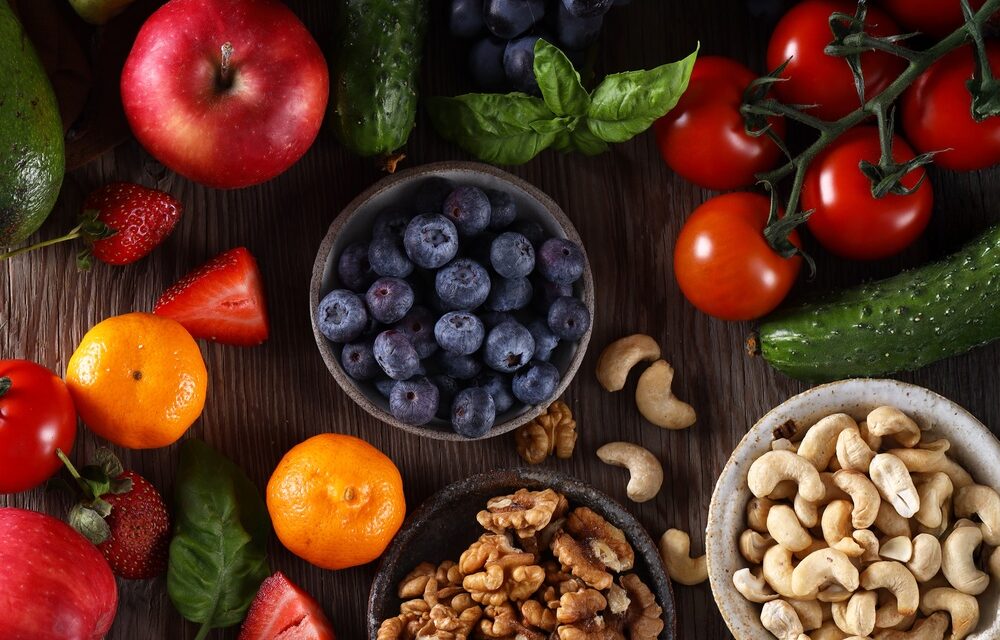
Eating an 80% alkaline ash diet heals. Practitioners I respected said that and it seemed to be true. Other than the fact the rationale for the diet was nonsense, this was good advice. What are alkaline foods? Mainly they are fruits, vegetables, nuts and seeds. Making your diet consist of 80% of these foods “heals”. Not because your pH changes, but because polyphenols and fiber from fruits and vegetables reduce inflammation, protect the cells, and, incidentally, are high in trace nutrients.
You see this a lot in natural healthcare. Practitioners will recommend something that works, but the rationale does not make sense. Chiropractors used to talk about the adjustment allowing “innate intelligence to flow”. Neurologists later found that adjusting had a profound effect on the tracts in the spinal cord and circulation around autonomic ganglion.
Scientific Method
Scientific method begins with an observation. “Gee, I gave this person a diet and they got a LOT better.” You start testing your idea. “Gee, the diet seems to help most people.” Then you propose a hypothesis, “Gee, I must be changing the pH of all these sick people. Well, 2 out of 3 ain’t bad.
Selected References:
- Fruit‐ and Vegetable‐Derived Polyphenols Improve Metabolic and Renal Outcomes in Adults with Metabolic Syndrome and Chronic Kidney Disease: A Systematic Review of Randomized Controlled Trials. Nutrición Clínica y Dietética Hospitalaria. 45, 2 (Jul. 2025).
- J Nutr. 2024 May 11;154(8):2470–2480. Higher Dietary Polyphenol Intake Is Associated With Lower Blood Inflammatory Markers
- Polyphenol intake and mortality risk: a re-analysis of the PREDIMED trial. BMC Med 12, 77 (2014).
- Journal of Food Biochemistry June 202246(2) Health benefits of polyphenols: A concise review
- Clinical Nutrition Date: January 2024 Pages: 65-83 Volume: Volume 43, Issue Dietary fiber intake and all-cause and cause-specific mortality: An updated systematic review and meta-analysis of prospective cohort studies