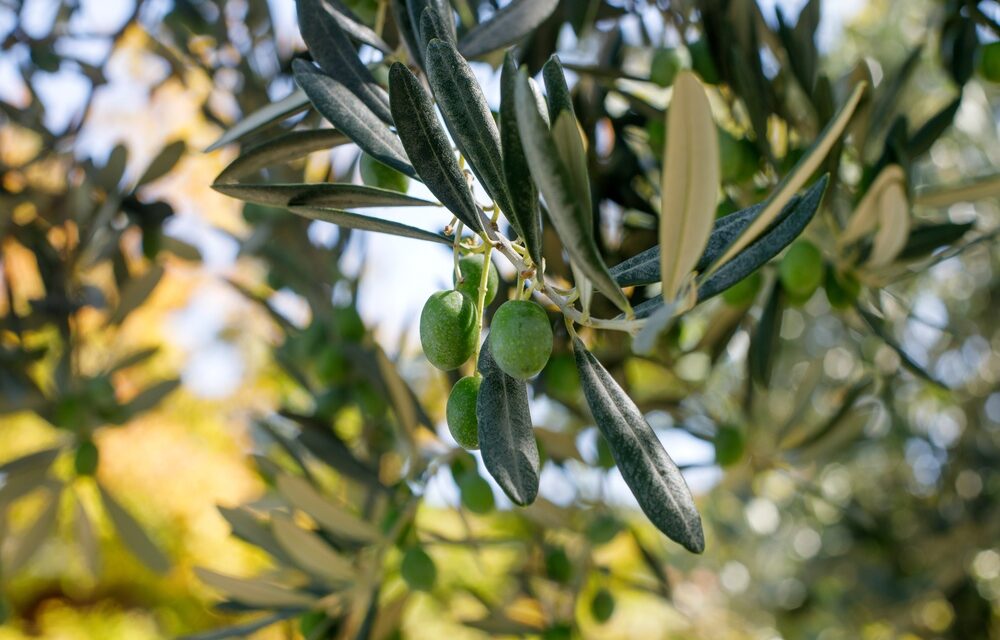
When people think about the Mediterranean diet, they usually think of olives and olive oil. Both are credited with helping to explain the diet’s benefits for the heart. But the olive tree has another useful product: its leaves. Olive leaves contain many of the same families of protective compounds found in olives and olive oil, sometimes in much higher concentrations. For centuries, the leaves were brewed as tea. Today, they are commonly sold as olive-leaf extract.
Oleuropein is the best-known compound in olive leaf and is largely responsible for its bitter taste. The leaf also contains hydroxytyrosol, flavonoids, triterpenes and other phenolic compounds. These substances have antioxidant and anti-inflammatory effects, but olive leaf is more than simply another “antioxidant.” Human studies suggest possible benefits for blood pressure, blood sugar and other markers of metabolic health.
What Is Metabolic Syndrome?
A patient is considered to have metabolic syndrome (MetS) if they have at least three of the following changes: 1) increased waist circumference, 2) increased triglycerides (TG), 3) reduced high-density lipoprotein cholesterol (HDL-C), 4) increased fasting blood glucose and 5) hypertension. The most important way to approach MetS is with diet and lifestyle changes.
A low glycemic diet (glycemic load < 10, consider the Roadmap to Health), light exercise, and a high protein breakfast can all help bring MetS under control. Sometimes discipline is less than ideal, or results are not as good as can be expected. That is where supplementation can help. Olive leaf extract is potentially helpful in these situations.
Studies Support the Use of Olive Leaf Extract for High Blood Pressure, Insulin Resistance, and Blood Lipid Abnormalities
Blood pressure and olive leaf:
- 2025 trial: Olive leaf extract lowered average 24-hour systolic blood pressure by 6.4 mm Hg over 12 weeks, versus 1.5 mm Hg with placebo. Blood sugar, triglycerides, CRP, and body weight also improved [1].
- 2026 trial: Olive leaf extract combined with potassium lowered morning systolic blood pressure by 5.4 mmHg and improved cholesterol, triglycerides, and measures of insulin sensitivity [2].
- 2017 trial: In men with mildly elevated blood pressure, olive leaf extract lowered average 24-hour blood pressure by about 3.3/2.4 mmHg compared with control. Total cholesterol, LDL, and triglycerides also fell [3].
Olive leaf, blood sugar and insulin sensitivity:
- 2013 trial: In 46 overweight men, olive leaf extract improved insulin sensitivity by 15% and the pancreas’s insulin response by 28% compared with placebo after 12 weeks [4].
- 2019 trial: In adults with prediabetes, olive leaf tea lowered fasting blood sugar compared with a weaker olive leaf tea after 12 weeks. Insulin levels and body weight did not significantly change [5].
Olive leaf, cholesterol and triglycerides:
- 2017 trial: In men with mildly elevated blood pressure, olive leaf extract lowered total cholesterol by about 12 mg/dL, LDL by 7 mg/dL, and triglycerides by 16 mg/dL compared with control after six weeks [3].
- 2019 trial: Olive leaf tea lowered LDL cholesterol more than a weaker tea in adults with prediabetes. Triglycerides also fell, although the difference between groups was not statistically significant [5].
- 2025 review: An analysis of 14 trials involving 594 participants found modest reductions in total cholesterol, triglycerides, and insulin with oleuropein, hydroxytyrosol, or tyrosol, compounds found in olives and olive leaves [6].
Inflammation and olive leaf:
- 2017 trial: Olive leaf extract lowered interleukin-8, an inflammatory signaling molecule, in men with mildly elevated blood pressure. Other inflammatory markers did not significantly change [3].
- 2023 trial: In hospitalized COVID-19 patients, olive leaf extract added to usual care lowered CRP and ESR, two markers of inflammation, compared with placebo after five days [7].
Olive leaf is, of course, not being suggested as a drug or a treatment for these conditions. We don’t use natural healthcare to “treat” symptoms. Think instead of working to normalize physiology. Diet, lifestyle, supplements and herbs can all help to achieve your health goals. When addressing any chronic issue, natural healthcare is like taking straws off the camel’s back. Medicine treats symptoms, we support healthy physiology. Oleuropein may offer such support to people with metabolic syndrome.
Selected References:
- J Hypertens. 2025 Nov 1;43(11):1878-1884. Efficacy of olive leaf extracts in controlling blood pressure in hypertensive patients: a double-blind randomized clinical trial
- 2026 Jun;155:158138. Effects of a combination of olive leaf extract and potassium on blood pressure in participants with mild to moderate hypertension: A double blind, randomized, placebo-controlled trial
- Eur J Nutr. 2017 Jun;56(4):1421-1432. Impact of phenolic-rich olive leaf extract on blood pressure, plasma lipids and inflammatory markers: a randomised controlled trial
- PLoS One. 2013;8(3):e57622. doi: 10.1371/journal.pone.0057622. Epub 2013 Mar 13. Olive (Olea europaea L.) leaf polyphenols improve insulin sensitivity in middle-aged overweight men: a randomized, placebo-controlled, crossover trial.
- Nutr Res. 2019 Jul;67:60-66. doi: 10.1016/j.nutres.2019.05.003. Epub 2019 May 11. Olive leaf tea is beneficial for lipid metabolism in adults with prediabetes: an exploratory randomized controlled trial.
- Crit Rev Food Sci Nutr. 2025;65(30):6898–6918. The impact of oleuropein, hydroxytyrosol, and tyrosol on cardiometabolic risk factors: a meta-analysis of randomized controlled trials.
- 2023;19(4):536–543. Efficacy of olive leaves extract on the outcomes of hospitalized covid-19 patients: A randomized, triple-blinded clinical trial