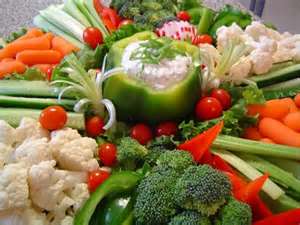

Carotenoids are the natural pigments that give fruits and vegetables their bright colors. In plants, these compounds protect against oxidative damage produced during photosynthesis. When consumed in the diet, carotenoids function as powerful antioxidants.
The best-known carotenoid is beta-carotene, which the body can convert into vitamin A. While beta-carotene has the greatest vitamin A activity, all carotenoids contribute to antioxidant defense.
Two carotenoids in particular—lutein and zeaxanthin—have attracted interest for their potential role in cancer prevention. Research published in the Journal of Agricultural and Food Chemistry (October 23, 2008) found that lutein and zeaxanthin inhibited the growth of colon cancer cells in laboratory studies.
These findings support earlier research showing that diets rich in fruits and vegetables are associated with a lower risk of cancer, likely due in part to their high carotenoid content.