
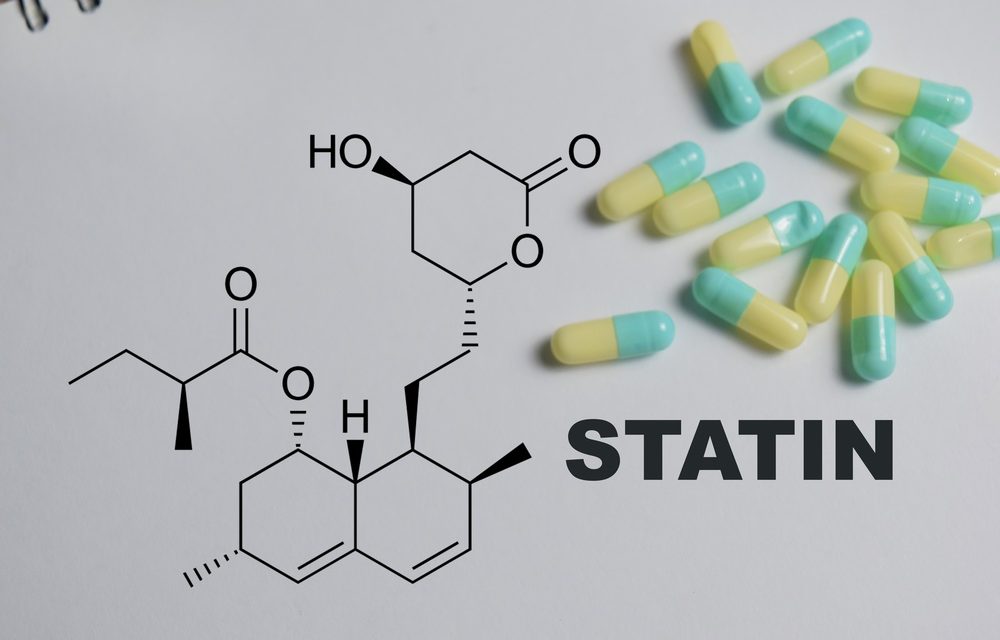

Statins (cholesterol-lowering medications such as Lipitor) reduce cholesterol by inhibiting the enzyme HMG-CoA reductase. This blocks the conversion of HMG-CoA into mevalonate, a key precursor not only for cholesterol, but for several other biologically important compounds—including coenzyme Q10 (CoQ10).
CoQ10 plays a central role in mitochondrial energy production, particularly in tissues with high energy demands such as skeletal muscle and the heart. When statins suppress the mevalonate pathway, CoQ10 production is also reduced. This biochemical effect provides a plausible explanation for why many patients taking statins experience exercise intolerance, muscle soreness, or weakness.
Muscle-related side effects are well recognized with statin use. These range from mild myalgias to more serious conditions such as myopathy and rhabdomyolysis, which can lead to kidney failure. The FDA has also issued warnings regarding liver injury associated with statin therapy. While severe adverse events are uncommon, they are clinically significant when they occur.
CoQ10 Depletion and Supplementation
Evidence suggests that statins reduce circulating CoQ10 levels. A study published in Future Cardiol. 2022 Mar 17;18(6):461–470. found that after taking 80 mg of a statin, mean blood CoQ10 levels in 34 subjects dropped from 1.2 μg/mL to 0.62 μg/mL.
Supplementation may help address statin-associated muscle symptoms. A study published in Diabetes Wellness (May 2005;11(5):4) compared 100 mg of CoQ10 with 400 IU of vitamin E in patients taking statins. Ninety percent of patients receiving CoQ10 reported relief of muscle pain, compared with 15% in the vitamin E group.
Cardiac Implications
The heart contains particularly high concentrations of CoQ10, and levels are often reduced in people with congestive heart failure. An article in The Lancet (1998;352 Suppl 1:39–41) noted a substantial rise in the prevalence of heart failure over recent decades. While heart failure is multifactorial, mitochondrial energy impairment is increasingly recognized as a contributing factor.
Statins, Outcomes, and Broader Effects
While statins reliably lower cholesterol, their effect on clinical outcomes is more variable across populations. Research published in Journal of the American Medical Association (December 18, 2002;288) reported that pravastatin lowered cholesterol in individuals with moderately elevated cholesterol and hypertension, but did not significantly reduce overall mortality or heart disease risk in that group.
There is also literature suggesting that very low cholesterol levels may be associated with mood and behavioral changes, including depression or aggression. Research in Psychosomatic Medicine (1994 Nov–Dec;56:479–484) observed associations between low cholesterol and behavioral symptoms, possibly involving serotonin metabolism. These findings remain debated, but they highlight that cholesterol plays physiological roles beyond plaque formation.
Takeaway
Millions of people take statins, often for long periods. Given their known biochemical effects on the mevalonate pathway, it is reasonable to consider CoQ10 depletion as a potential contributor to statin side effects, particularly muscle-related symptoms. Addressing this depletion through CoQ10 supplementation is a low-risk, biologically plausible strategy that may improve tolerance and quality of life in some patients.
Related Articles:
Medications Commonly Used for Heart Disease







