
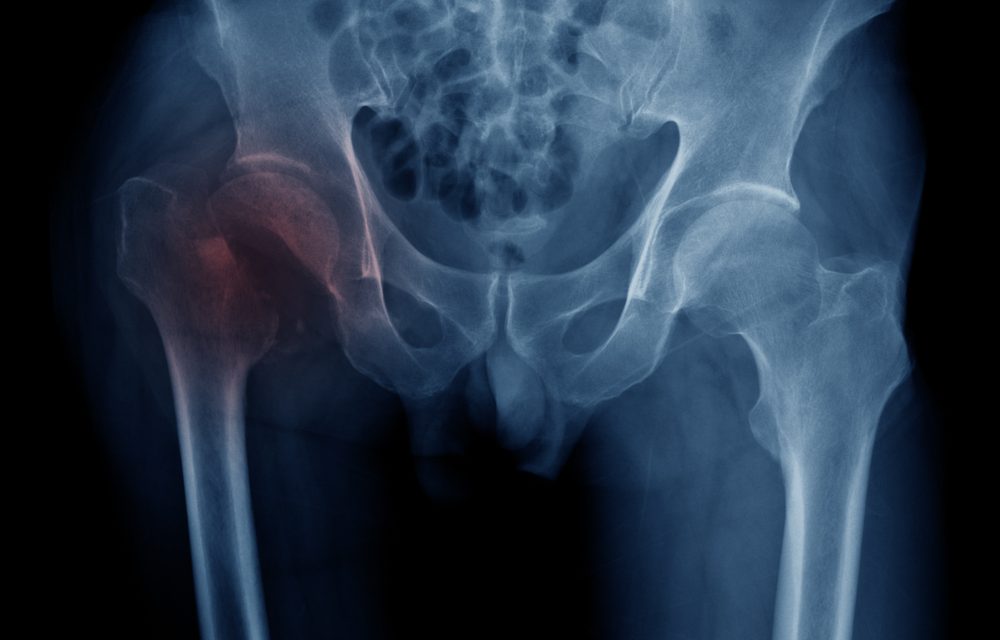
A meta-analysis is a review that combines the results of multiple earlier studies to look for consistent patterns. One such analysis, published in the American Journal of Clinical Nutrition (December 2007; Vol. 86, No. 6: 1579–1580), evaluated whether calcium supplementation reduces the risk of hip fractures.
The Harvard researchers reviewed:
-
Seven studies involving more than 170,000 women, with nearly 3,000 documented hip fractures
-
Five studies involving more than 68,000 men, with over 200 documented hip fractures
The analysis found that calcium supplementation at doses of approximately 300 mg per day did not reduce the risk of hip fracture. Even in clinical trials using higher calcium intakes—between 800 and 1,600 mg per day—no significant reduction was seen in hip fractures or other non-vertebral fractures.
However, when vitamin D was added to calcium, fracture rates were lower, suggesting that vitamin D status may play a more meaningful role in bone health than calcium intake alone.
These findings raise important questions about relying on calcium supplementation by itself for fracture prevention and highlight the importance of considering the broader nutritional and hormonal context involved in bone health.







