
TL;DR
High cholesterol is not a disease—it is a signal. It is often driven by underlying issues like insulin resistance, metabolic syndrome, stress, and thyroid dysfunction. While medications and supplements can lower cholesterol numbers, they do not address the root causes. Improving metabolism, reducing inflammation, and supporting overall physiology is a more effective long-term strategy for cardiovascular health.
A broader look at metabolism, inflammation, and cardiovascular risk
High cholesterol is largely influenced by genetics and lifestyle. One of the most common drivers is metabolic syndrome [1]—a condition linked to insulin resistance and characterized by a lipid pattern of high triglycerides and low HDL (“good” cholesterol), with additional changes in LDL particles.
It is important to think of high cholesterol as a risk factor for cardiovascular disease—not a disease itself. Other underlying issues, including hypothyroidism (which is often missed), obesity, and chronic stress, can also contribute to elevated cholesterol levels and increased cardiovascular risk.
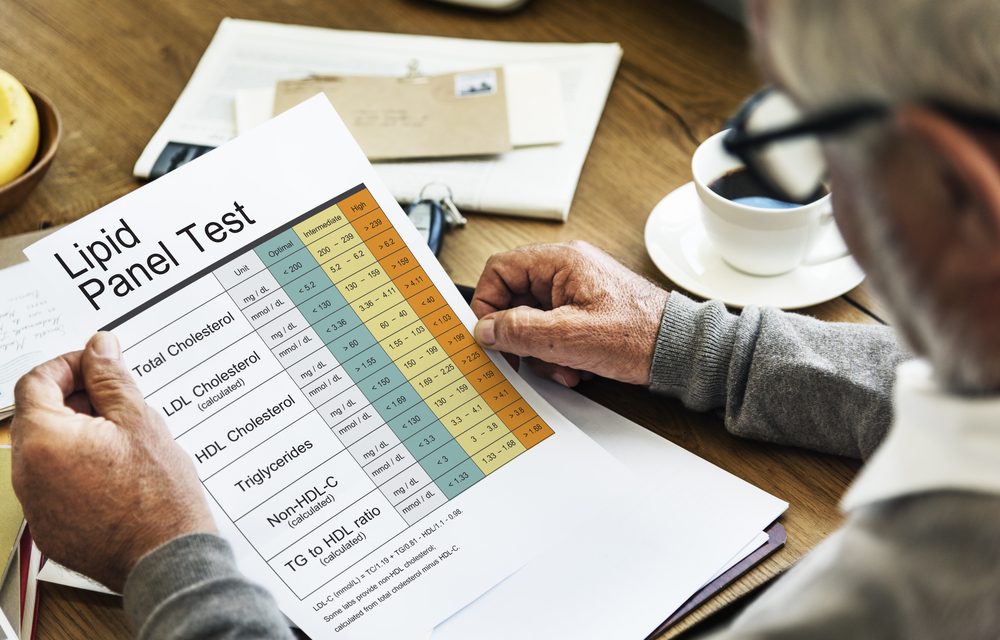
Lowering cholesterol alone should not be the goal. The real objective is improving overall cardiovascular health. When testing for cholesterol, the following markers are typically evaluated:
- Total cholesterol:
- LDL: LDL (low-density lipoprotein) cholesterol is a type of protein-fat complex in your blood, often known as “bad” cholesterol. It transports cholesterol to tissues, but high levels cause plaque buildup in arteries (atherosclerosis), significantly raising the risk of heart disease and stroke. Ideal levels are generally below 100 mg/dL.
- HDL (High-Density Lipoprotein) is known as “good” cholesterol, a type of protein-lipid compound that carries cholesterol from other parts of the body back to the liver to be removed. High levels of HDL are associated with lower risks of heart disease and stroke because it helps remove plaque-forming LDL cholesterol from blood vessels.
- Triglycerides: Triglycerides are the most common type of fat in the body, used to store excess energy from food. They circulate in the bloodstream to provide energy for muscles, but high levels are linked to an increased risk of heart disease, stroke, and pancreatitis. Normal levels are less than 150 mg/dl
This, of course, is an oversimplification. LDL particles and HDL particles vary in size. Some LDL particles are larger and not as damaging. Some HDL particles are smaller and are less protective.
Statins (cholesterol lowering medication)
Statins treat one risk factor for cardiovascular disease; they are by no means comprehensive treatment. This may be why the benefits of taking statins are so unremarkable. You need to put 104 patients who have not had a heart attack on a statin in order to prevent one heart attack. The numbers get better for people who have previously had a heart attack and for people with multiple cardiovascular risk factors, but too many people think that once they have lowered their cholesterol they are “done”.
Statins deplete CoQ10 and damage the mitochondria, seriously impairing the cells’ ability to produce energy [2,3]. This is why muscle pain is one of the side effects of statin use. Some suggest using Red Yeast Rice because it is natural; but the same CoQ10 depletion issue exists.
Metabolic Syndrome
In metabolic syndrome, the bad lipid profile is just a symptom of more serious flaws in metabolism. It is the result of insulin insensitivity and dealing with that is much more important than driving down cholesterol. Here are some strategies:
- Eat a low glycemic diet (glycemic load less thatn10). Consider the Roadmap to Health.
- Take magnesium: Insulin insensitivity interferes with magnesium resorption from the kidney—making nearly everyone with metabolic syndrome magnesium deficient. Magnesium is vital for cardiovascular health and for keeping blood sugar under control.
- Take berberine: Berberine works much like metformin. It is also anti-inflammatory and has cardiovascular benefits.
Stress and Cortisol
Chronic stress drives many of the same changes seen in metabolic syndrome. Elevated cortisol raises blood sugar, promotes insulin resistance, and shifts the body toward storing fat rather than burning it. The result is often higher triglycerides, higher LDL, and lower HDL.
Stress also fuels inflammation and can interfere with thyroid function—two additional factors that worsen cholesterol patterns. In many cases, stress is not just a contributing factor—it is one of the underlying drivers.
Check Your Thyroid
Studies confirm a strong link between hypothyroidism and high cholesterol, as low thyroid hormone levels reduce the liver’s ability to remove LDL (“bad”) cholesterol from the blood [4]. Studies consistently link hypothyroidism to increased cardiovascular disease (CVD) risk, particularly through elevated LDL cholesterol, hypertension, and endothelial dysfunction [5]. Many cases of hypothyroidism are missed.
Natural Substances to Lower Cholesterol
Once again, the goal should not be to merely lower cholesterol. The goal should be ensure cardiovascular health. This is a partial list, there are many other substances.
- Red yeast rice: Many practitioners use this to lower cholesterol because it is “natural”. The problem is that it, like statins, deplete CoQ10 and it is capable of causing many of the side effects seen with statins.
- Berberine can help lower cholesterol [6], but also has other cardiovascular benefits, including reducing inflammation.
- Omega 3 Fatty Acids: Studies have shown them to help lower cholesterol and triglycerides. They can also help change the lipid profile, increasing HDL and lower LDL [7].
- Niacin: Studies indicate that prescription-strength niacin (Vitamin B3) effectively improves cholesterol numbers by raising HDL (“good” cholesterol) and lowering LDL (“bad” cholesterol) and triglycerides [8]. Other studies dispute this finding.
- Phosphatidylcholine, specifically in the form of polyunsaturated phosphatidylcholine (PPC), is used to manage fatty liver and has been shown to improve liver lipid parameters, including lowering liver cholesterol and triglyceride contents [9].
Ideas From Holistic Health Practitioners
Doctors who utilize natural healthcare often try things that have not been extensively researched. Most of their therapies are low-risk and they often deal with patients who have not gotten a satisfactory answer from traditional medicine. Usually, therapy is based in science. A good example of this is the treatment of biliary stasis to lower cholesterol. Studies have shown that slowed/blocked bile flow and high cholesterol are closely linked [10]. The studies do not suggest improving bile flow as a way to lower cholesterol, but some practitioners have. So, you may run across a doctor who says that treating biliary stasis is a way to lower cholesterol.
Other practitioners have looked into hormonal function, reasoning that cholesterol is needed to make hormones and if there is a deficit the body may respond by making cholesterol. Be clear, there is nothing to prove this. But you may see practitioners supporting the endocrine system as a way to lower cholesterol. There may be something to it. Low testosterone, for example, is linked to high cholesterol and cardiovascular disease and testosterone has been used as a treatment [11].
Cholesterol is not the problem—it’s part of the story.
Treating cholesterol as the disease leads to tunnel vision. You can lower a number and still have the same metabolic dysfunction, inflammation, and cardiovascular risk sitting underneath it.
If you focus on fixing insulin resistance, reducing inflammation, supporting thyroid function, and improving digestion and bile flow, cholesterol often takes care of itself. That’s a very different strategy than chasing lab numbers—and it’s one that makes more sense biologically.
Related Articles:
What Do You Take to Lower Cholesterol?
FAQ
Is high cholesterol a disease?
No. High cholesterol is considered a risk factor for cardiovascular disease, not a disease itself. It often reflects underlying metabolic or hormonal imbalances.
What causes high cholesterol?
Common causes include insulin resistance (metabolic syndrome), poor diet, chronic stress, hypothyroidism, and genetic factors.
Are statins the only way to manage cholesterol?
No. Statins lower cholesterol levels, but they address only one aspect of cardiovascular risk. Diet, metabolism, inflammation, and lifestyle factors also play major roles.
Why are triglycerides important?
Triglycerides are closely linked to insulin resistance. Even when “normal,” relatively high triglycerides may indicate underlying metabolic dysfunction.
Can thyroid problems affect cholesterol?
Yes. Low thyroid function can reduce the body’s ability to clear LDL cholesterol from the bloodstream, leading to elevated levels.
What is more important than lowering cholesterol?
Improving overall cardiovascular health—by addressing metabolism, inflammation, stress, and hormonal balance—is more important than focusing on cholesterol alone.
Selected References:
- 2007 Feb 26;18(1):15–22. How is the Metabolic Syndrome Related to the Dyslipidemia?
- Ochsner J. 2010 Spring;10(1):16–21. Coenzyme Q10 and Statin-Induced Mitochondrial Dysfunction
- Eur J Med Res. 2018 Nov 10;23:57. The effect of statin treatment on circulating coenzyme Q10 concentrations: an updated meta-analysis of randomized controlled trials
- Endocrine Connections 07 Feb 2022 Update on dyslipidemia in hypothyroidism: the mechanism of dyslipidemia in hypothyroidism
- 2024 Jan 18;16(1):e52512. Hypothyroidism and Cardiovascular Disease: A Review
- J Med Food. 2020 Feb;23(2):101–113. Berberine and Dyslipidemia: Different Applications and Biopharmaceutical Formulations Without Statin-Like Molecules — A Meta-Analysis.
- J Am Heart Assoc. 2023 Jun 6;12(11):e029512. Association Between Omega-3 Fatty Acid Intake and Dyslipidemia: A Continuous Dose-Response Meta-Analysis of Randomized Controlled Trials
- Clinical Nutrition Volume 41, Issue 12, December 2022, Pages 2749-2758 Dietary niacin intake and risk of dyslipidemia: A pooled analysis of three prospective cohort studies
- Lipid Insights. 2016 Apr 4;8(Suppl 1):65–73. Phosphatidylcholine: Greasing the Cholesterol Transport Machinery
- Annals of Hepatology Volume 1, Issue 3, July–September 2002, Pages 121-128 From lipid secretion to cholesterol crystallization in bile. Relevance in cholesterol gallstone disease
- 1996 Mar;121(1):35-43. Effect of testosterone replacement therapy on lipids and lipoproteins in hypogonadal and elderly men







