
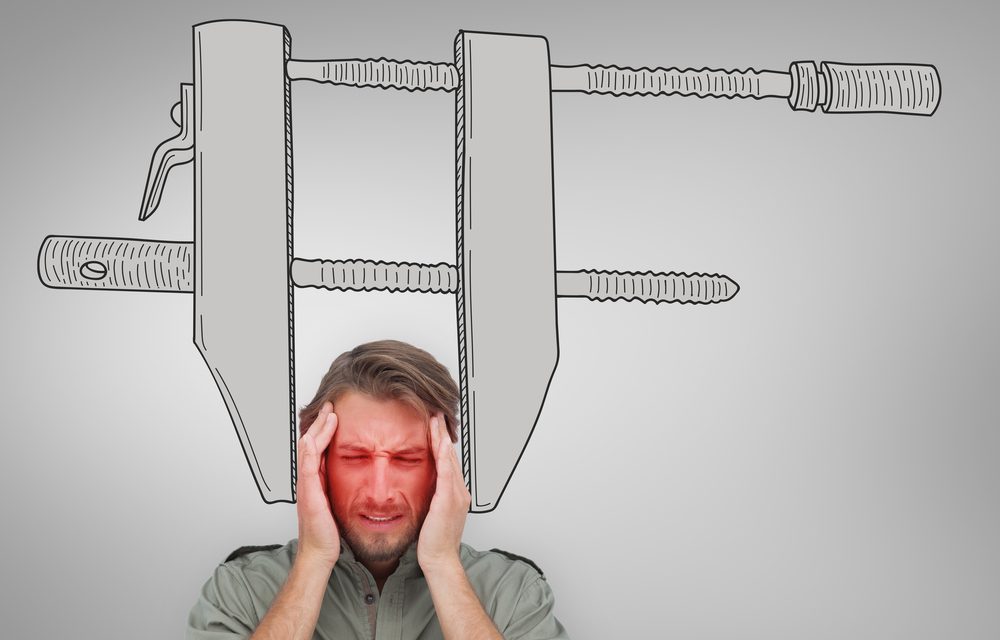

Cluster headaches are severe, one-sided headaches that occur in cyclical patterns, known as clusters. Periods of frequent attacks—called cluster periods—may last for weeks or even months, followed by remission periods when headaches disappear entirely. Remissions can last months or, in some cases, years.
The onset of a cluster headache is usually sudden. The pain is intense and unilateral, most often centered around one eye. Patients frequently describe the sensation as feeling like a hot poker being driven into the eye. On the affected side, there is often redness, swelling, and excessive tearing. The eyelid may droop, and the pupil may become constricted. Some patients also experience migraine-like features, including nausea, sensitivity to light and sound, or visual aura.
During a cluster period, headaches typically occur daily, sometimes multiple times per day. Individual attacks may last anywhere from 15 minutes to several hours, and they often occur at the same time of day, suggesting a circadian component.
Behavior during an attack is distinctive. Patients are usually restless, often pacing or rocking back and forth, as movement seems to provide some relief. This contrasts with migraine sufferers, who typically prefer to lie still. People with cluster headaches generally avoid lying down during an attack, as it often intensifies the pain.







