
Plant Compounds and Inflammatory Pathways
A number of plant-derived compounds have been studied for their potential influence on inflammatory pathways. Many of these compounds appear to work by supporting antioxidant defenses and modulating cellular signaling rather than simply blocking symptoms.
Because chronic inflammation often involves oxidative stress, immune activation, and disrupted cellular signaling, plant-based compounds that influence these processes have attracted significant research interest.
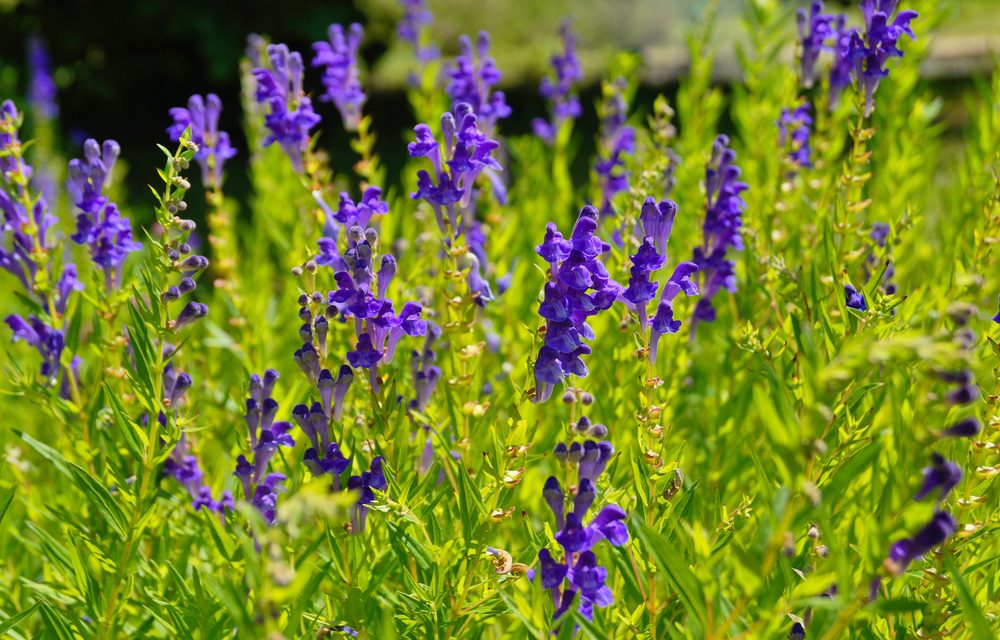
Chinese Skullcap (Scutellaria baicalensis)
Chinese skullcap has demonstrated anti-inflammatory and anti-arthritic properties in experimental models. Extracts from the plant contain several flavonoids—including baicalin and baicalein—that have shown antioxidant and anti-inflammatory activity in laboratory studies.
Research suggests these compounds may influence inflammatory signaling pathways and oxidative stress. Because oxidative damage contributes to tissue injury in chronic inflammatory conditions, investigators have explored skullcap’s potential role in joint health and cardiovascular protection.
Turmeric and Curcumin
Turmeric, and especially its active compound curcumin, has been widely studied for its influence on inflammatory signaling pathways.
Research published in journals such as:
• Molecular Nutrition & Food Research (2013; 57:1529–1542)
• Alternative Therapies in Health and Medicine (2013; 19:20–22)
• American Journal of Physiology – Regulatory, Integrative and Comparative Physiology (2007; e-published)
• Indian Journal of Biochemistry & Biophysics (2012; 49:306–315)
has examined curcumin’s effects on inflammatory processes affecting the joints, gastrointestinal tract, immune system, and other tissues.
Much of this research suggests curcumin may influence inflammatory pathways by interacting with signaling molecules involved in immune regulation and oxidative stress.







