How GLP-1 Controls Appetite and Blood Sugar
Good news/bad news: The bad news is that there is no natural “Ozempic”. The drugs are more powerful than any single thing we can do naturally. The good news is that we can still significantly affect GLP 1. For the changes to be significant, we need to do more than one thing.
There is much that can be done with lifestyle and supplements to control satiety and promote weight loss. The good news is that nothing we do naturally can do the damage the drugs are capable of. We can, however, make several small changes.
GLP-1 Is Not the Only Weight-Loss Hormone
The second point worth making is that GLP-1 is a single hormone. It is not the ONLY mechanism involved in appetite regulation or weight loss. Clinicians have many other tools at their disposal, including insulin control, thyroid function, cortisol regulation, meal timing, body composition, microbiome support, and micronutrient status. Here, we will focus on GLP-1 because it has become so popular.
Natural Ways to Support GLP-1
Even on GLP-1, Diet Still Matters
- Drink 20 oz of water when you get up and eat ONLY protein for breakfast. Water will give a sense of fullness. The protein breakfast will decrease ghrelin (the “hunger” hormone) and increase GLP-1 [1]. You can have something like avocado or tomato with your protein but avoid fruit and starch.
- Vegetables: Vegetables are rich in fiber and polyphenols, both of which support GLP-1 activity and improve satiety [2,3]. Vegetables should dominate the diet.
- Do not eat any food with a glycemic load greater than 10. One way to mimic part of the metabolic effect of GLP-1 drugs is to reduce the glycemic load of meals naturally. “The reduced glycemic load of meals caused by GLP-1 is very similar to that seen when replacing a meal with a high glycemic index meal with that of a low GI meal.” [4] Consider following the Roadmap to Health.
Supplements That Support GLP-1 Naturally
Berberine HCl: Berberine appears to influence several of the same metabolic pathways targeted by GLP-1 drugs. Research suggests that berberine alters the microbiome and increases short-chain fatty acid production, which may stimulate natural GLP-1 secretion in the intestine [5]. A typical dose is 500 mg. 3x/day.
Fermentable Fibers (like citrus pectin, psyllium, inulin, and beta-glucan) are broken down by gut bacteria into short-chain fatty acids, which trigger intestinal L-cells to synthesize and secrete GLP-1. Research shows that diets deficient in fiber severely impair L-cell function, reducing total GLP-1 levels. Conversely, consuming the recommended daily intake (25-38 grams) naturally regulates appetite and improves blood sugar control [6-8].
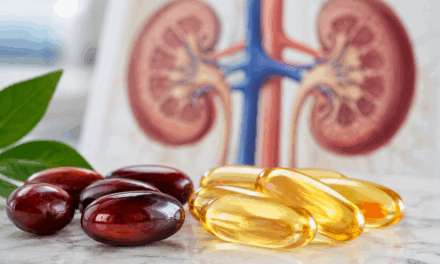
Essential Fatty Acids: Omega-3 fatty acids are especially useful here. ALA (omega-3 from flax seed) stimulates enteroendocrine L-cells in the intestine (via receptors like GPR120 and FFAR4), prompting them to secrete GLP-1. . While fish oil does not typically cause weight loss on its own, studies indicate omega-3s can boost GLP-1 levels, support muscle retention, and mitigate gastrointestinal side effects. Animal and human cell studies demonstrate that linoleic acid (vegetable sourced omega-6 fatty acid) acts on enteroendocrine L-cells to promote GLP-1 secretion. When infused directly into the intestine, LA significantly reduces food intake by triggering this GLP-1 pathway [10-13].
Selected References:
- Am J Clin Nutr. 2006 Feb;83(2):211-20. Effect of a high-protein breakfast on the postprandial ghrelin response
- Nutr Metab (Lond). 2016 Dec 9;13:92. Nutritional modulation of endogenous glucagon-like peptide-1 secretion: a review
- 2021 Jan 29;26(3):703. The Emerging Role of Polyphenols in the Management of Type 2 Diabetes
- European Journal of Clinical Nutrition volume 78, pages 551–556 (2024) Reflections on the discovery GLP-1 as a satiety hormone: Implications for obesity therapy and future directions
- Arch Physiol Biochem. 2024 Dec;130(6):678-685. Berberine-induced glucagon-like peptide-1 and its mechanism for controlling type 2 diabetes mellitus: a comprehensive pathway review
- Sci Adv. 2025 Nov 7;11(45):eadx6869. Engineered probiotic restores GLP-1 signaling to ameliorate fiber-deficiency exacerbated colitis
- Nutr Metab (Lond). 2016 Dec 9;13:92. Nutritional modulation of endogenous glucagon-like peptide-1 secretion: a review
- The Journal of Nutrition Volume 156, Issue 4, April 2026, 101436 Fiber Supplementation during and after Glucagon-Like Peptide-1 Receptor Agonists Treatment: A Perspective on Clinical Benefits
- Int J Mol Sci. 2024 Jan 16;25(2):1087 Nutrient Combinations Sensed by L-Cell Receptors Potentiate GLP-1 Secretion
- Obes Pillars. 2025 Sep 8;16:100209. doi: 10.1016/j.obpill.2025.100209Dietary supplement considerations during glucagon-like Peptide-1 receptor agonist treatment: A narrative review
- Pharmacol., 30 July 2023 Sec. Experimental Pharmacology and Drug Discovery Volume 14 – 2023 | https://doi.org/10.3389/fphar.2023.1197743
- 2024 Apr 11;16(8):1133. Conjugated Linoleic Acid Ameliorates High Fat-Induced Insulin Resistance via Regulating Gut Microbiota–Host Metabolic and Immunomodulatory Interactions