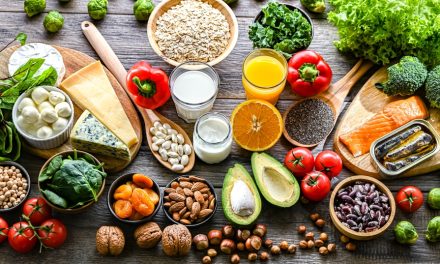
The cardiovascular benefits associated with diets rich in fruits and vegetables have been supported by a substantial body of research. A meta-analysis published in The Lancet (2006; 367(9507):320–326) reviewed multiple prospective studies and reported an inverse association between fruit and vegetable intake and the risk of cardiovascular disease. Numerous subsequent investigations have reported similar findings.
Mechanistic research has also explored how specific plant compounds may influence cardiovascular risk factors. A study published in the Journal of Nutrition (October 2007; Volume 137) examined the effects of a broccoli-derived compound on lipid-related cellular processes.
Apolipoprotein B-100 (apoB) is a structural protein found in low-density lipoprotein (LDL) particles and plays a key role in the transport and deposition of cholesterol in tissues. Elevated apoB levels are closely linked to atherosclerotic plaque formation and cardiovascular risk.
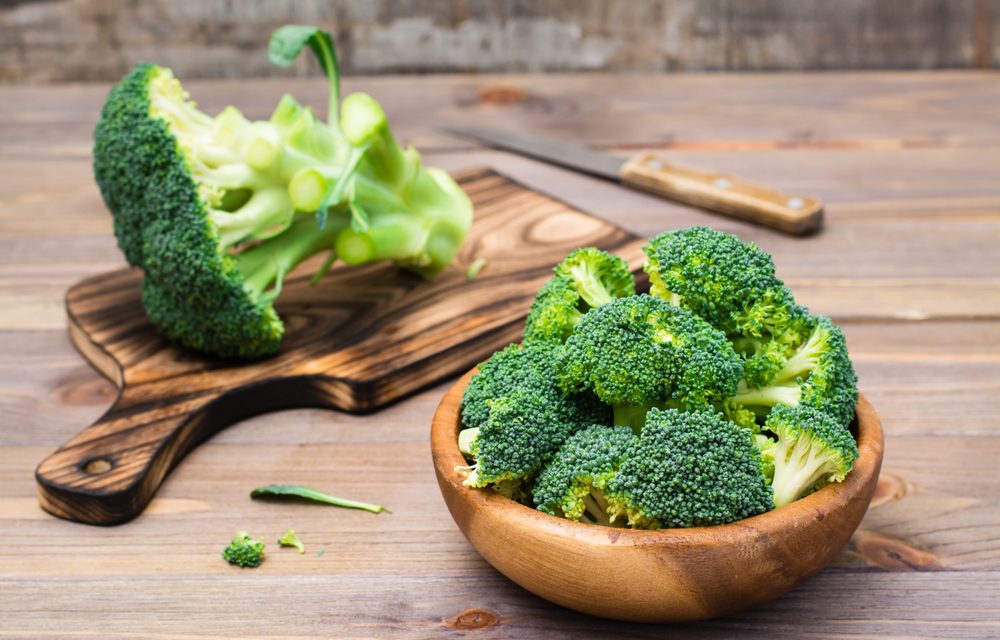
The researchers reported that indole-3-carbinol, a compound found in broccoli and other cruciferous vegetables, reduced apoB secretion by approximately 56% in cellular models. This finding suggests a potential mechanism by which compounds found in broccoli may influence lipid metabolism.
Broccoli belongs to the cruciferous vegetable family, which includes cauliflower, Brussels sprouts, and other sulfur-containing vegetables. Prior research has associated higher intake of cruciferous vegetables with reduced risk of certain cancers. Emerging mechanistic studies now suggest that compounds in these vegetables may also influence pathways relevant to cardiovascular health.