
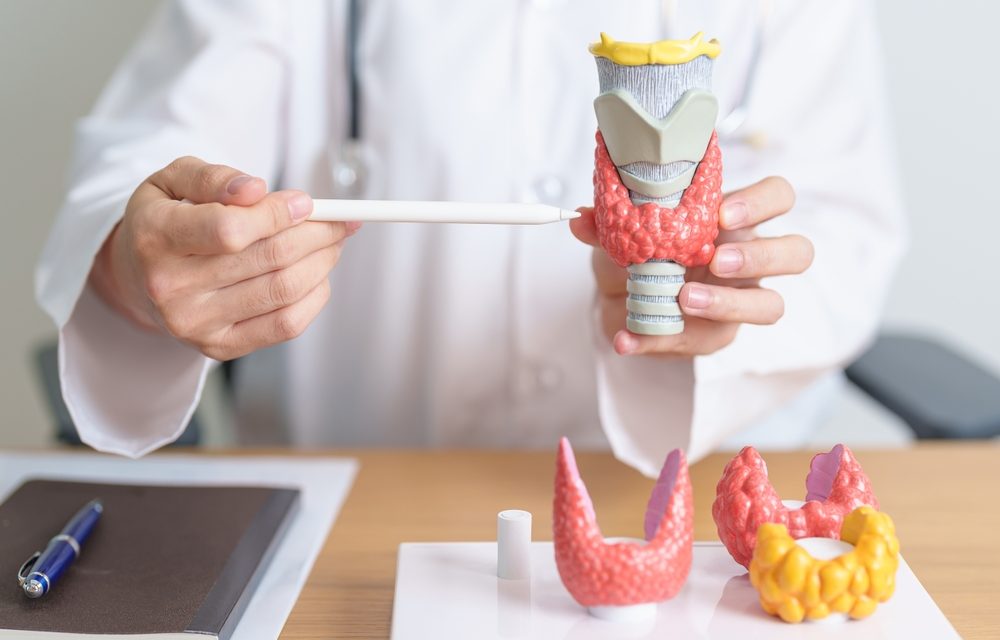
Category 9: Hypothyroid
If you took the SymptomQuiz and this is one of your major issues, here are some ideas and approaches that will help. We are not treating disease, just offering some basic support to improve your Wellness Score. If you want the SymptomQuiz guide that covers all the categories, click here.
Quick Cookbook
Follow the Roadmap to Health diet; it is a low glycemic diet that is high in antioxidants, low in toxins and contains trace nutrients that will help with blood sugar control. Take 200 mcg of selenium (DO NOT TAKE MORE—too much selenium can be toxic). There are many other supplements that can help with hypothyroidism; iodine comes to mind. The problem is the program needs to be tailored to the individual. Find a doctor trained in natural healthcare.
Best to Get Professional Help if You Have a High Thyroid Score
If you scored high in this section, you should work with a professional. There is not much general information we can give here that applies to everyone. What we outline will help—but there is usually much more that can be done under professional guidance.
Hyperthyroidism is a medical emergency and is not covered in this questionnaire. In hyperthyroidism, the body produces too much thyroid hormone. Symptoms may include jitteriness, increased body temperature, enlarged thyroid, weight loss (despite normal appetite), rapid heartbeat, tremor, sweating, frequent bowel movements, difficulty sleeping, thinning skin, brittle hair, and bulging eyes (Graves’ ophthalmopathy). The eyes may also become dry, red, or swollen.
We Miss a Lot of Cases of Hypothyroidism
Hypothyroidism: Researchers estimate that there may be as many as 13 million undiagnosed cases of hypothyroidism in the United States. Even if thyroid blood tests are normal, there may still be a problem. There are many patients who are tired, depressed, or cannot seem to lose weight. This trio of symptoms may be caused by hypothyroidism, a commonly missed medical condition. Think of the thyroid as the body’s thermostat. It regulates how fast we burn calories to produce energy. In hypothyroidism, metabolism slows down. Common symptoms include fatigue, depression, inability to lose weight, constipation, and swelling of the ankles. Patients who have hypothyroidism tend to feel cold and may cry easily. Low thyroid function can even cause more serious symptoms like high cholesterol and delayed development in children. It is a problem that is commonly missed by doctors.
Possible Signs and Symptoms of Hypothyroidism
Below are some of the symptoms of hypothyroidism. All of the symptoms need not be present for the patient to have hypothyroidism. An under-functioning thyroid can lead to high cholesterol, heart disease, and immune system problems.
- Low body temperature and feeling cold even when others do not.
- Lack of motivation.
- Poor memory.
- Loss of interest in sex.
- Dry, itchy or scaly skin .
- High cholesterol.
- Muscle cramps at rest.
- Cysts and fibroids.
- Sadness or crying for no reason (this may include mood swings at certain times during the menstrual cycle).
- Inability to lose weight.
- Puffiness under the eyes.
- Ankle swelling.
- Frequent colds.
Hypothyroidism Can Cause a Variety of Health Problems
Hypothyroidism can cause high cholesterol and heart disease. Research shows that subclinical hypothyroidism and thyroid autoimmunity can also increase the risk of heart disease. Could it be that some people on cholesterol-lowering medication actually need thyroid support? Hypothyroidism can be responsible for miscarriages. If an expectant mother has hypothyroidism and doesn’t miscarry, her baby will have a lower IQ than if her thyroid was normal. Problems losing weight, dry skin and immune system problems may have the thyroid at their root.
Of course, there is much more to treating thyroid than what is here. There are autoimmune problems and hyperthyroidism. Hypothyroidism is much more common than hyperthyroidism, and you can get great results with a number of complaints including:
- Obesity and trouble losing weight
- Fatigue
- Depression
- High cholesterol
- PMS
- Ovarian cysts
- Uterine fibroids
- Dry skin
- Some headaches (usually one that starts in the morning and fades as the day goes on)
- Addressing thyroid function may help reduce the risk of heart disease and miscarriage and support healthy development in the newborn.
What to do: This is not treatment. This is general support to help your Wellness Score.
- Follow the Roadmap to Health diet.
- Take selenium. Selenium is very important for thyroid health. DO NOT take more than 200 mcg of selenium each day—it can be toxic. Iodine, of course, is even much more important for thyroid. We can’t, however, recommend it here because there is a small group of people who would respond poorly to iodine supplementation.
Why you should see a physician trained in natural healthcare: If you suspect hypothyroidism, see a physician, and have a complete blood chemistry with a thyroid panel (there are more tests for the thyroid than TSH). Also, there are many more nutrients that can benefit the thyroid, but they need to be selected on the individual’s need. You really need to get professional help to do things right. Find a doctor who understands natural healthcare.
Related Articles:
Overweight? Fatigued? Depressed? Maybe It’s Your Thyroid
Hormonal Connection to Chronic Fatigue







