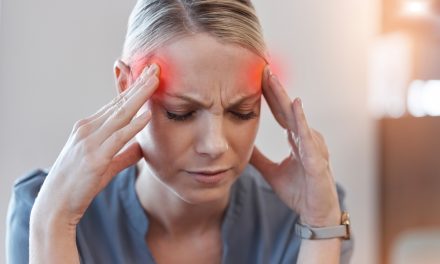
We are in the habit of treating symptoms. If you have a symptom, like headaches, the question is always, “How can I stop them?” It fits nicely with the drug industry’s view of “health”. The problem is that not everyone’s migraine is the same. A better question is, “Why am I having migraines?” The headache is actually a clue to what is not right with your biochemistry, body mechanics, and physiology. Part 1 [3 Things You Should Know if You Have Migraine Headaches] got you started. Here are other things to look into.
Your Migraine May Be Telling You About Your Health
Body Mechanics and Migraines
The nerves in the head come from the neck, as any chiropractor can tell you. Aligning the vertebrae in the neck frequently relieves headache pain. The jaw and teeth can also be a source of imbalance, causing the pain.
CoQ 10 and Migraines
Like riboflavin, CoQ10 is involved with cellular energy. Taking it might reduce the frequency of headaches, and may also make them shorter in duration, and less severe, with a favorable safety profile 1,2. It was superior to placebo for attack-frequency, headache-days and days-with-nausea in the third treatment month and well tolerated. Consider this especially if you are taking cholesterol-lowering medication, which can deplete CoQ10.
Insulin Insensitivity and Migraines
Over 100 million Americans have insulin insensitivity and nearly 90% of them do not know they have it. It can be a cause of headaches, especially in the afternoon. An A1C blood test can tell you if this is your issue. If you need to lose weight, insulin insensitivity is usually a problem.
The Microbiome (Gut Health) and Migraines
You have several pounds of bacteria in your intestines. The wrong kind of bacteria can create inflammation and other problems. Research supports this3,4,5. There are stool tests that can help you learn about your gut health6,7,8.
Stress, Adrenal Function, and Migraines
Adrenal support is often helpful to migraine sufferers. Many have P.O.T.s, where positional changes observably increase the heart rate of 30 bpm with an accompanying drop in the systolic blood pressure anywhere from 5 to 80 mm9,10. This may show a need for adrenal support.
Observations Made by Some Clinicians
- Menstrual headaches, especially if the patient does not have them while pregnant, and they did not start until she started having periods: Consider using a pituitary/hypothalamus supplement.
- Morning headaches that go away as the day goes on: Consider checking the thyroid.
- Afternoon headaches: Rule out insulin insensitivity.
- Headaches, but also has spider veins: “Leaky capillaries”, consider using quercetin and vitamin C. May also need gallbladder support.
Selected References:
- Acta Neurol Belg. 2017 Mar;117(1):103-109. Effectiveness of coenzyme Q10 in prophylactic treatment of migraine headache: an open-label, add-on, controlled trial
- 2005 Feb 22;64(4):713-5. Efficacy of coenzyme Q10 in migraine prophylaxis: a randomized controlled trial
- 2022 Aug 24;14(8):e28346. Dysbiosis and Migraine Headaches in Adults With Celiac Disease
- Int J Mol Sci. 2022 Oct 31;23(21):13267. The Role of the Human Microbiome in the Pathogenesis of Pain
- Microorganisms 2023 Aug 14;11(8):2083. Migraine as a Disease Associated with Dysbiosis and Possible Therapy with Fecal Microbiota Transplantation
- Cereus 2022 Aug 24;14(8):e28346. Dysbiosis and Migraine Headaches in Adults With Celiac Disease
- Int J Mol Sci. 2022 Oct 31;23(21):13267. The Role of the Human Microbiome in the Pathogenesis of Pain
- Microorganisms 2023 Aug 14;11(8):2083. Migraine as a Disease Associated with Dysbiosis and Possible Therapy with Fecal Microbiota Transplantation
- Cortisol and migraine: a systematic literature review. Agri. (2017) 29:95–9. 10.5505/agri.2017.25348
- Understanding Migraine Through the Lens of Maladaptive Stress Responses: A Model Disease of Allostatic Load. Neuron. 2012;73:219–234.