Pain? There Are Solutions Better Than Drugs
There are things you can do to get pain under control—and they don’t involve drugs! All drugs have side effects and often make matters worse. In the short term, drugs can be useful. In the long term, they can cause problems.
- NSAIDs, the drugs commonly used for pain, cause more problems than they solve. Taking them for a couple of days is alright. Regular use, however, causes ulcers, irritation of the GI tract, tissue destruction (they destroy cartilage—making them a very BAD idea to use for arthritis). They have been linked to heart failure, kidney failure, and high blood pressure. Over time, they increase inflammation, which is why they become less effective the more you use them [1-11].
- Diet can either increase inflammation, or it can decrease inflammation. Brightly colored produce, nuts, and seeds all contain substances (polyphenols and carotenoids) that fight inflammation [12-22]. Chemical additives, sugar, grains, and animal fat all increase inflammation. You don’t need to be vegan, but 75% of your diet should be fresh produce.
- Pancreatic enzymes can reduce inflammation. When taken with food, they help digestion. Many studies show that they reduce pain and inflammation when taken on an empty stomach, and often out-perform drugs [23-32].
- Chiropractors excel at getting pain under control without drugs–especially when there is a mechanical cause. People think of chiropractors as “bone” doctors–they are really doctors of the nervous system.
A Simple Strategy for Pain Control
- Roadmap to Health Diet: This diet will reduce inflammation. We have menu plans and recipes for you. Click here to see the diet.
- Pancreatic Enzymes: Take 2, 2x/ on an empty stomach. The brand you choose should have 25 mg of chymotrypsin, according to Dr. Harry Eidenier (he’s right). 8x Pancreatin from Zorex fills the bill, but they will not sell to you. They sell only to physicians (another reason to find a health care practitioner to help you). Do not despair–other natural substances have been shown to reduce inflammation. See “Natural Substances for Pain” below.
- Find a good chiropractor.
Natural Substances for Pain
- Curcumin has been extensively studied [33-44] and is a powerful natural anti-inflammatory.
- MSM has also been well studied [45-98] reduces inflammation and is especially good for people with arthritis.
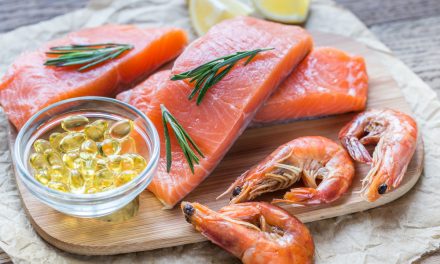
- Omega-3 fatty acids have also been shown to reduce inflammation [99-102].
This is not the entire list. These supplements are included to give you some viable options.
Selected References
- (Pol Arch Med Wewn 2014;124(11):628-34). Our prescription drugs kill us in large numbers
- Archives of Internal Medicine October 28, 2002;162:2204-2208. Frequency of analgesic use and risk of hypertension in younger women
- New England Journal of Medicine December 20, 2001;345:1801-1808. Acetaminophen, Aspirin, and Chronic Renal Failure
- Archives of Internal Medicine (February 11, 2002;162:265-270). Association of Nonsteroidal Anti-inflammatory Drugs With First Occurrence of Heart Failure and With Relapsing Heart Failure
- Arch Intern Med. 1996 Jul 22;156(14):1530-6. Gastrointestinal tract complications of nonsteroidal anti-inflammatory drug treatment in rheumatoid arthritis. A prospective observational cohort study
- Journal of Bone and Mineral Research (June, 2002 17:963). Cyclo-oxygenase 2 function is essential for bone fracture healing
- Am J Gastroenterol. 2000 Jan;95(1):157-65. Risk factors for irritable bowel syndrome: role of analgesics and food sensitivities
- Am J Med . 2009 Sep;122(9):836-42. Do NSAIDs affect longitudinal changes in knee cartilage volume and knee cartilage defects in older adults?
- Biochem Pharmacol 1991 May 1;41(9):1375-84. Comparison of the effects of non-steroidal anti-inflammatory drugs (NSAIDs) on proteoglycan synthesis by articular cartilage explant and chondrocyte monolayer cultures
- Br J Rheumatol . 1992;31 Suppl 1:13-7. Effect of non-steroidal anti-inflammatory drugs (NSAIDS) on glycosyltransferase activity from human osteoarthritic cartilage
- Arterioscler Thromb Vasc Biol. 2014 Dec;34(12):2637-43 T-cell profile in adipose tissue is associated with insulin resistance and systemic inflammation in humans
- Br J Nutr. 2011 Sep;106(6):913-22 Strawberry anthocyanin and its association with postprandial inflammation and insulin
- J Nutr. 2015 Jul;145(7):1459-63. Supplementation of the Pure Flavonoids Epicatechin and Quercetin Affects Some Biomarkers of Endothelial Dysfunction and Inflammation in (Pre)Hypertensive Adults: A Randomized Double-Blind, Placebo-Controlled, Crossover Trial
- Food Chem. 2020 Apr 25;310:125797 Anthocyanin-rich extract from purple potatoes decreases postprandial glycemic response and affects inflammation markers in healthy men
- Nutr Rev. 2019 Jun 22:nuz018 Impact of anthocyanin-rich whole fruit consumption on exercise-induced oxidative stress and inflammation: a systematic review and meta-analysis
- Int J Mol Sci. 2018 Mar 12;19(3):816. Anthocyanin-Rich Extract from Red Chinese Cabbage Alleviates Vascular Inflammation in Endothelial Cells and Apo E -/- Mice
- PLoS One. 2018 Apr 11;13(4):e0195502 The flavonoid compound apigenin prevents colonic inflammation and motor dysfunctions associated with high fat diet-induced obesity
- Nutr Diabetes. 2017 May 15;7(5):e276 Flavonoid intake is inversely associated with obesity and C-reactive protein, a marker for inflammation, in US adults
- J Ethnopharmacol. 2013 Aug 26;149(1):169-75 The root barks of Morus alba and the flavonoid constituents inhibit airway inflammation
- Nutr Res. 2018 Apr;52:98-104 A diet high in carotenoid-rich vegetables and fruits favorably impacts inflammation status by increasing plasma concentrations of IFN-α2 and decreasing MIP-1β and TNF-α in healthy individuals during a controlled feeding trial
- Br J Nutr. 2014 Oct 28;112(8):1341-52 Patterns of dietary intake and serum carotenoid and tocopherol status are associated with biomarkers of chronic low-grade systemic inflammation and cardiovascular risk
- J Perinatol. 2012 Jun;32(6):418-24 Cerebrospinal fluid levels of inflammation, oxidative stress and NAD+ are linked to differences in plasma carotenoid concentrations
- Antibiot Khimioter. 2012;57(9-10):25-7, 29-31 [Impact of exogenous proteolytic enzymes on immunogenesis in patients with urogenital infections]
- Br J Obstet Gynaecol. 1983 Jul;90(7):650-3 Polyglycolic acid and catgut sutures, with and without oral proteolytic enzymes, in the healing of episiotomies
- Aesthetic Plast Surg. Jan-Feb 1999;23(1):41-4. Orally administered proteases in aesthetic surgery
- 1993 Dec;42(12):856-61 [Perioperative enzyme therapy. A significant supplement to postoperative pain therapy?]
- Wien Med Wochenschr. 1996;146(5):91-5 [Results of a double-blind, randomized comparative study of Wobenzym-placebo in patients with cervical syndrome]
- Wien Med Wochenschr. 1996;146(3):55-8. [Drug therapy of activated arthrosis. On the effectiveness of an enzyme mixture versus diclofenac]
- Wien Med Wochenschr. 1999;149(21-22):577-80. [Reducing pain by oral enzyme therapy in rheumatic diseases]
- Adv Ther 2018 Jan;35(1):31-42. The Role of Trypsin:Chymotrypsin in Tissue Repair
- Journal of Strength and Conditioning Research (2007 Aug;21(3):661-7)
- Clinical Experimental Rheumatology (2006 Jan-Feb;24(1):25-30) Efficacy and tolerance of an oral enzyme combination in painful osteoarthritis of the hip. A double-blind, randomised study comparing oral enzymes with non-steroidal anti-inflammatory drugs
- Arthritis & Rheumatism (2006; 54 (11):3452-3464) Efficacy and mechanism of action of turmeric supplements in the treatment of experimental arthritis
- Clinical Interventions in Aging (2014 ;9:451-8. Efficacy and safety of Curcuma domestica extracts compared with ibuprofen in patients with knee osteoarthritis: a multicenter study
- Front Immunol. 2023 May 31:14:1121655. Effect of curcumin on rheumatoid arthritis: a systematic review and meta-analysis
- 2024 Jul 26;16(15):2441. The Effect of Curcumin on Reducing Atherogenic Risks in Obese Patients with Type 2 Diabetes: A Randomized Controlled Trial
- Complement Med Res. 2020;27(4):272-281 Curcumin Preparations Can Improve Flow-Mediated Dilation and Endothelial Function: A Meta-Analysis
- Phytother Res. 2022 Jan;36(1):85-97. Effect of curcumin on C-reactive protein as a biomarker of systemic inflammation: An updated meta-analysis of randomized controlled trials
- 2024 Jul:129:155619. Cardioprotective effects of curcumin against Diabetic Cardiomyopathies: A systematic review and meta-analysis of preclinical studies
- 2023 Apr:164:156144. Antioxidant and anti-inflammatory effects of curcumin/turmeric supplementation in adults: A GRADE-assessed systematic review and dose-response meta-analysis of randomized controlled trials
- Front Immunol. 2022 Aug 1:13:896476. Curcumin and Curcuma longa Extract in the Treatment of 10 Types of Autoimmune Diseases: A Systematic Review and Meta-Analysis of 31 Randomized Controlled Trials
- Expert Rev Gastroenterol Hepatol. 2020 Dec;14(12):1171-1179. Curcumin therapy for ulcerative colitis remission: systematic review and meta-analysis
- Front Endocrinol (Lausanne). 2022 Oct 27:13:1051111. Therapeutic effect and safety of curcumin in women with PCOS: A systematic review and meta-analysis
-
U.S. Patent. August 30, 1979. Methylsulfonylmethane and Methods of Use.
-
Cytokine. 2015;71:223-231. Methylsulfonylmethane inhibits NLRP3 inflammasome activation.
-
Curr Vasc Pharmacol. 2012;10:4-18. The role of nitric oxide on endothelial function.
-
U.S. Patent. July 26, 1989. Use of Methylsulfonylmethane to Relieve Pain and Relieve Pain and Nocturnal Cramps and to Reduce Stress-Induced Deaths in Animals.
-
U.S. Patent. June 26, 1986. Dietary Products and Uses Comprising Methylsulfonylmethane.
-
U.S. Patent. September 14, 1982. Dietary and Pharmaceutical Uses of Methylsulfonylmethane and Compositions Comprising It.
-
Cytokine. 2015;71:223-231. Methylsulfonylmethane inhibits NLRP3 inflammasome activation.
-
Altern Med Rev. 2002;7:22-44. Sulfur in human nutrition and applications in medicine.
- International Immunopharmacology Volume 111, October 2022, 109104 Efficacy of the omega-3 fatty acids supplementation on inflammatory biomarkers: An umbrella meta-analysis

![Inflammation Hijacks Neurotransmitter Production [Part 3 of 5]](https://wholehealthweb.com/wp-content/uploads/2026/06/serotonin-2-440x264.jpg)