Tart Cherry Juice and Pain
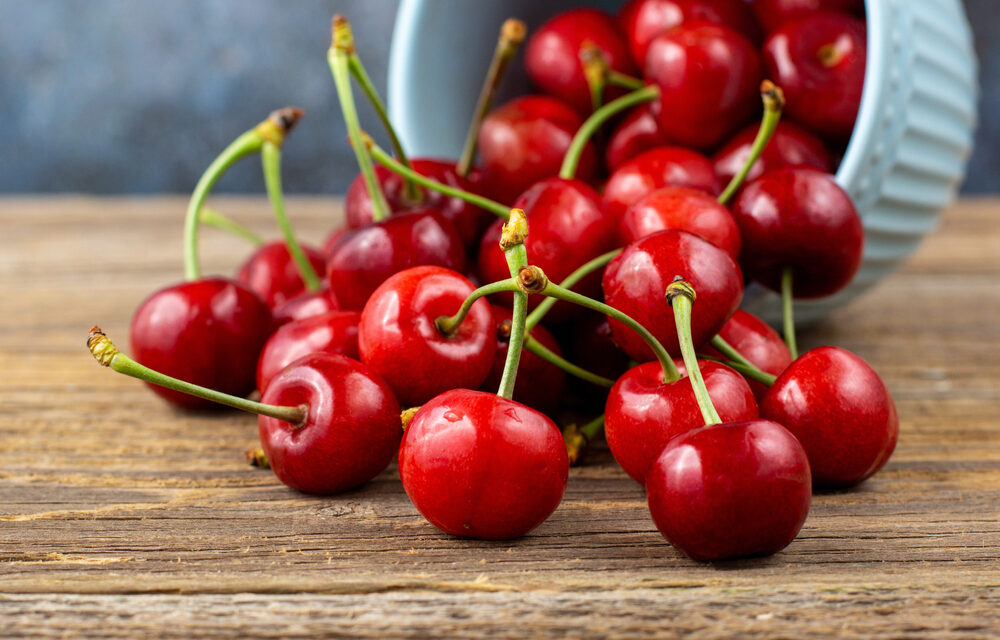
Can cherries help reduce exercise pain? Back in 2010 researchers looked at healthy runners between the ages of 18 and 50. The runners were given either tart cherry juice or placebo before the race. The group receiving the cherry juice reported less pain after the race [1].
Cherries are high in anthocyanins, which are water-soluble plant antioxidants found in plants. They give red, purple, blue, and black colors to flowers, fruits, and vegetables. They may also play a role in reducing pain and inflammation [2]. Newer research supports this early finding. A new meta-analysis of 19 studies found that tart cherry juice reduced inflammatory markers and reduced muscle damage after exercise [3].
Cherry Juice and Pain: Look at the Bigger Picture
Drug therapy is so common that many of us think in terms of, “Can I take this for that?” Cherry juice is not a drug. Its use in these studies should have you thinking not about a remedy, but about the physiology of pain. The anthocyanins in cherry juice are part of a larger group of chemicals called “polyphenols”. These are antioxidants found in plants and studies have been extensively studied and found to be beneficial to patients with arthritis [4], rheumatic diseases [5,6], and migraine headaches [7]. Polyphenols, other than those from cherry juice, have been found to reduce post exercise pain [8]. They chemically reduce inflammation and damage from free radicals [8-10].
Mask Your Pain? Or Manage the Chemistry of Pain?
Pain medication causes damage, not only to the GI tract, but to the kidneys, liver, and even the heart [click to learn more about pain medication]. Pain medication also becomes less effective over time with continuous use.
Many practitioners have found that natural healthcare, unlike pharmaceutical care, is often cumulative. They may combine the idea of giving curcumin for pain with increasing polyphenols in the diet to come up with an effective pain control strategy. Adding proteolytic enzymes (on an empty stomach), may further improve results. An anti-inflammatory diet, like the Roadmap to Health can help, as can balancing the microbiome. Many practitioners believe that combining therapies like these can improve results. So, don’t think of cherry juice the same way you think about Advil. Think of it as part of a larger strategy.
Selected References
- J Int Soc Sports Nutr. 2010 May 7;7:17 Efficacy of tart cherry juice in reducing muscle pain during running: a randomized controlled trial
- Journal of Natural Products (1999;62(2):294-296) Antioxidant and Antiinflammatory Activities of Anthocyanins and Their Aglycon, Cyanidin, from Tart Cherries
- Effects of Tart Cherry Juice Supplementation on Recovery from Exercise-Induced Muscle Damage in Athletes: A Systematic Review and Meta-Analysis. Sports Med – Open 12, 40 (2026).
- Clinical Therapeutics Volume 43, Issue 8, August 2021, Pages e241-e253.e2 Efficacy and Safety of Polyphenols for Osteoarthritis Treatment: A Meta-Analysis
- Sao Paulo Med J. 2021 Nov 15;139(6):615–623. Polyphenols for improvement of inflammation and symptoms in rheumatic diseases: systematic review
- Immunol., 21 March 2023 Sec. Nutritional Immunology Volume 14 – 2023 Efficacy and safety of dietary polyphenols in rheumatoid arthritis: A systematic review and meta-analysis of 47 randomized controlled trials
- PLoS One. 2026 Jun 8;21(6):e0351122. Higher dietary polyphenol intake is associated with reduced pain sensitivity and migraine-related disability: A cross-sectional analysis
- 2023 Feb 21;12(5):916. The Use of Some Polyphenols in the Modulation of Muscle Damage and Inflammation Induced by Physical Exercise: A Review
- 2025 Feb 11;17(4):633. The Effects and Mechanisms of Phytochemicals on Pain Management and Analgesic
- Pharm. 2026, 94(4), 90; Natural Phenolic Compounds in Pain Management and Regenerative Medicine: From Molecular Mechanisms to Therapeutic Applications