
TL;DR
-
A large U.S. study found women with the highest omega-3 intake had 49% lower odds of depression symptoms.
-
Balance matters: higher omega-3 to omega-6 ratios were linked to fewer symptoms.
-
Omega-3s may support brain health by reducing inflammation and supporting neurotransmitters.
- Newer reviews show modest symptom improvement—strongest with EPA-dominant omega-3s and as an add-on to treatment; prevention benefits are not clear.
Whether or not you struggle with depression may have something to do with the types of fat in your diet.
A study published in the Journal of Nutrition (November 2013;143(11):1743–1752) looked at 1,746 adults between the ages of 30 and 65. Researchers examined dietary intake of omega-3 fatty acids (found in foods like fish oil) and their relationship to depressive symptoms.
What the Study Found
-
Depression symptoms were common: Over 25% of women and about 18% of men reported elevated depressive symptoms (EDS).
-
Omega-3 intake mattered — especially in women: Women with the highest intake of omega-3 fatty acids had 49% lower odds of depression symptoms compared to women with the lowest intake.
-
Balance with omega-6 fats was important: A higher ratio of omega-3 to omega-6 fatty acids was associated with fewer symptoms of depression.
-
Specific benefits:
-
n-3 PUFAs (polyunsaturated fatty acids): Linked to fewer somatic complaints (physical symptoms).
-
n-3 HUFAs (highly unsaturated fatty acids): Linked to more positive mood and affect.
-
The conclusion: Among U.S. women, higher intake of omega-3 fatty acids — both in absolute amounts and in balance with omega-6 fatty acids — was linked with a lower risk of depressive symptoms.
Why Omega-3s May Help Mood
Omega-3 fatty acids play key roles in brain health, including:
-
Supporting neurotransmitter function.
-
Reducing inflammation (which has been linked to depression).
-
Maintaining cell membrane integrity in the brain.
This may explain why diets rich in omega-3s — such as those including fatty fish, walnuts, and flax — are often associated with better mood and resilience.
What newer research (2020–2024) says
-
Small but real average effect; EPA seems key. Multiple meta-analyses continue to find a modest improvement in depressive symptoms with omega-3s, with EPA-dominant formulas outperforming DHA-dominant ones. Benefits often appear at ≤1 g/day of EPA or EPA-major blends. Nature
-
Prevention vs treatment differ. In a large prevention trial of adults without depression, daily omega-3s did not prevent depression over ~5 years (mood scores unchanged). That’s different from add-on treatment studies in people who already have symptoms. JAMA Network
-
Overall evidence: small clinical effect, variable by subgroup. The 2021 Cochrane review judged the average benefit small and of low-certainty, though later umbrella/meta-analyses still report significant—but modest—symptom reductions, especially with EPA-rich supplements or in specific groups. Cochrane
-
As add-on therapy, results are more encouraging. Recent reviews suggest omega-3s (EPA/DHA) can be useful as an adjunct to standard treatments for depression. PubMed+1
-
Mechanism & causality hints. 2024 reviews and genetic (Mendelian randomization) work support a biological role—particularly for EPA—in mood regulation and inflammation, though confounding can’t be fully excluded. PMC
Related Articles:
FAQ
Q: Do omega-3s help everyone with depression?
Not necessarily. The strongest associations were seen in women. Men also showed trends, but the relationship was not as strong in this study.
Q: Which foods contain omega-3s?
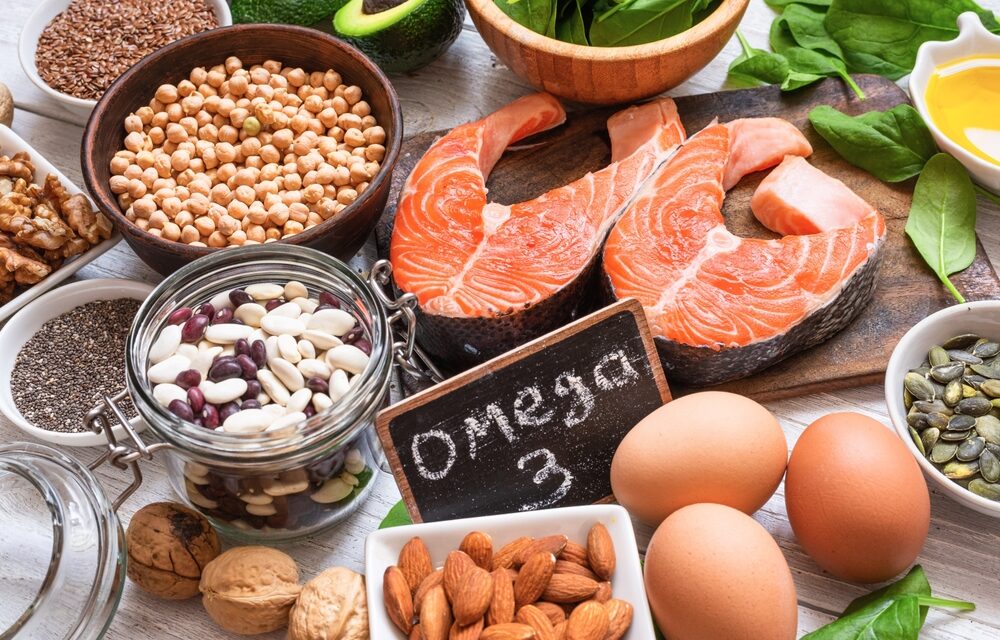
Fatty fish (salmon, sardines, mackerel), walnuts, chia seeds, flaxseeds, and fish oil supplements are top sources.
Q: Why is the omega-3 to omega-6 ratio important?
Most Western diets are very high in omega-6 fats (from vegetable oils and processed foods) and low in omega-3s. Improving this balance may reduce inflammation and support better mood.
Q: Should I take a fish oil supplement for depression?
Supplements can be helpful, but always consult a doctor trained in natural healthcare before making changes, especially if you’re already taking medication.







