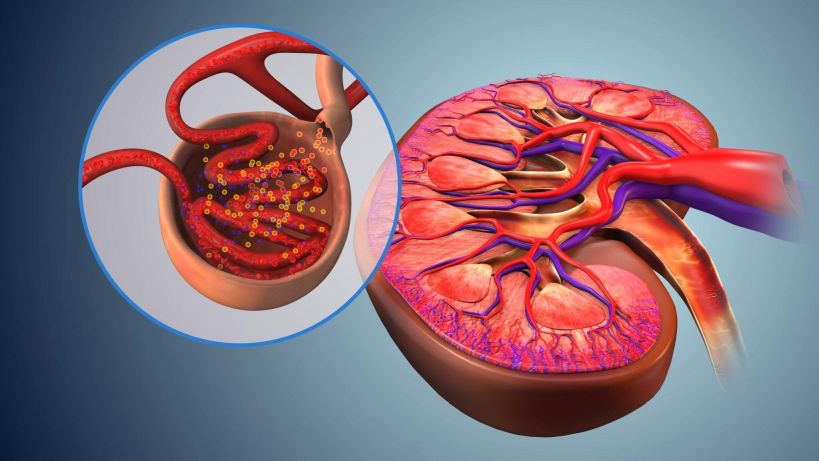
Uremic toxins are waste products that normally leave the body through the kidneys. When kidney function declines, these compounds begin to build up in the bloodstream. Some are produced during normal metabolism, while others are made by bacteria living in the intestines. As their levels rise, they can contribute to chronic inflammation, oxidative stress, damage to blood vessels, and further loss of kidney function.
Researchers are becoming increasingly interested in ways to reduce uremic toxins before they accumulate. In addition to managing the underlying kidney disease, strategies such as improving gut health, eating more fiber, reducing constipation, and supporting a healthy intestinal microbiome may help lower the production of certain gut-derived uremic toxins. This is one reason the connection between the gut and the kidneys—often called the gut-kidney axis—has become an important area of kidney research.