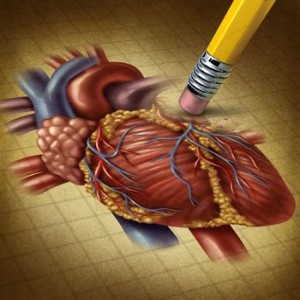
Heart failure is a condition in which the heart is unable to pump sufficient blood to meet the body’s metabolic demands. Congestive heart failure (CHF) typically develops gradually as cardiac function declines and may involve the right side, left side, or both sides of the heart. Right-sided heart failure is associated with impaired blood flow to the lungs and fluid accumulation in peripheral tissues, including the feet, ankles, legs, abdomen, liver, and neck veins. Left-sided heart failure involves reduced delivery of oxygen-rich blood to the rest of the body. Fatigue and shortness of breath are commonly reported symptoms. Earlier estimates suggested that approximately 5.7 million Americans were living with heart failure, with hundreds of thousands of new diagnoses and deaths reported annually.
During the 1990s and early 2000s, research attention focused on metabolic factors involved in heart failure, including compounds related to cellular energy production. Coenzyme Q10 (CoQ10) was one such focus. A study published in Clinical Investigator (1993; 71:S145–S149) reported that over a three-month period, a subset of patients receiving CoQ10 supplementation (50–150 mg per day) experienced changes in multiple heart failure–related symptoms, including cyanosis, edema, shortness of breath, arrhythmias, and vertigo. Other observational research from this period suggested that lower CoQ10 levels were more frequently observed in patients with more severe heart failure symptoms, as reported in the International Journal of Tissue Reactions (1990; 12(3):155–162).
Carnitine, a compound involved in fatty acid transport and mitochondrial energy metabolism, was also studied in CHF populations. Research published in the American Heart Journal (February 2000; 139(2 Part 3):S120–S123) examined long-term carnitine supplementation in patients with congestive heart failure and reported differences in survival outcomes over an extended follow-up period. Earlier experimental research published in Circulation (1992; 56:86–94) examined myocardial effects in animal models, while small human studies from that era reported changes in exercise tolerance among CHF patients receiving carnitine.
Later studies explored combinations of metabolic nutrients. A double-blind, placebo-controlled trial published in Acta Cardiologica (2007; 62(4):349–354) examined combined supplementation with carnitine and CoQ10 in CHF patients over a 12-week period. Participants receiving the combination showed changes in inflammatory markers, including interleukin-6 and tumor necrosis factor–alpha (TNF-α), along with reported differences in fatigue and shortness of breath compared with controls.
These studies represent early investigations into metabolic aspects of heart failure and contributed to hypotheses that were later examined using updated diagnostic criteria, modern pharmacologic therapy, and larger clinical trials. More recent research has expanded and refined these findings within the context of contemporary heart failure management.