
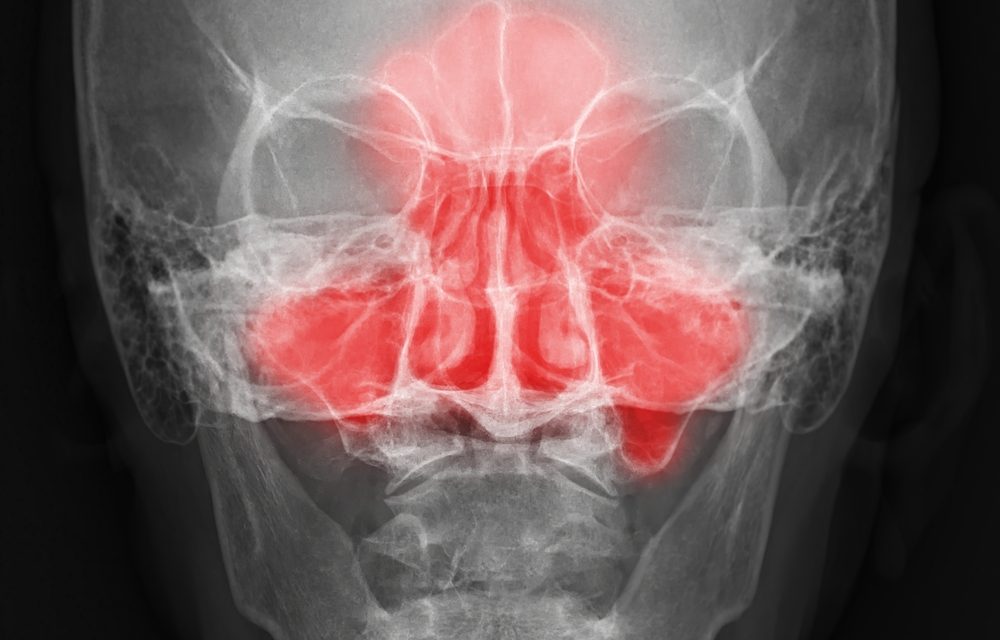

An estimated 34 million Americans experience sinus-related symptoms. In many cases, an upper respiratory infection can obstruct the sinus ostia, limiting normal drainage. When drainage is impaired, mucus can accumulate within the sinus cavities, creating conditions that may allow bacteria to proliferate. Clinically, this may resemble a prolonged or recurrent cold.
Chronic sinusitis is commonly associated with pressure or discomfort between the eyes, along the sides of the nose, or in the forehead. Individuals may report nasal congestion, headaches, nasal discharge, sore throat, or coughing related to postnasal drainage. Some people describe experiencing multiple “colds” in close succession, which may reflect persistent rather than separate episodes. A nonproductive cough or throat irritation related to mucus drainage is also frequently reported.
Because symptoms may recur or persist, some individuals receive repeated courses of antibiotic therapy. Recurrent antibiotic exposure has been associated with alterations in the intestinal microbiota, sometimes referred to as dysbiosis, which has been discussed in the literature in relation to digestive symptoms, fatigue, and immune-related complaints. A study published in Pediatrics (April 2001; 107:619–625) reported that antibiotic treatment did not differ from placebo in preventing recurrence of sinus symptoms.
Additional research has examined associations between chronic sinusitis and systemic symptoms. A study published in Archives of Internal Medicine (2003; 163:1832–1836), conducted by investigators at Georgetown University Medical Center, reported that fatigue and unexplained pain were more common among individuals with chronic sinusitis. In that study, a subset of participants met diagnostic criteria for chronic fatigue syndrome, and many reported concurrent sinus-related symptoms and a relatively abrupt onset of illness.







