TL;DR
- The gut microbiome influences digestion, immunity, metabolism, and brain function
- Dysbiosis (imbalance) is linked to IBS, autoimmune disease, obesity, and depression
- Diet is the foundation—supplements are secondary
- A simple rotation of Saccharomyces boulardii and berberine can help rebalance gut flora
- Improving digestion and healing the intestinal lining are essential for long-term results
Category 4: Microbial Issues in the GI/Dysbiosis
If this is one of your SymptomQuiz high scores, the information in this article may help you improve your Wellness Score. This is not treatment. It is a way to improve your Wellness Score over the next 30 days.
Interest in the microbiome started in the 1970s with concern over yeast overgrowth.
Some of the early theories around yeast—such as its proposed role in detoxification—have not held up under closer scrutiny (see: [Candida and Mercury]). There are many ways to improve the microbiome. Presenting a complete list with the literature references may be a bit unwieldy. There are many different approaches and many different products. First, follow the Roadmap to Health diet. Supplementation should be secondary.
Quick cookbook: Follow the Roadmap to Health diet. Give 1 capsule of Saccharomyces boulardii, 2x/day for 2 weeks. For the following two weeks, stop taking the Saccharomyces and take 2 capsules of Berberine for 3x/day. Repeat this pattern for 60 days (this is the exception to our 30-day program).
Why the Microbiome Matters for Overall Health
Chemical byproducts from intestinal bacteria have a powerful effect on health. Plus, over 70% of the immune system is associated with the GI tract. A high score in this category means that balancing the bowel ecology may be a good strategy to improve your Wellness Score.
If you have dysbiosis, you can follow the program for more than 60 days. An improved diet and improving the health of the intestinal lining will create a more desirable environment for good bowel flora. The improvements in health can become permanent.
Other Antimicrobial Substances
There are a lot of natural substances that will kill undesirable flora. These include emulsified oregano oil, olive leaf extract, garlic, artemisia, black walnut hulls, cloves, caprylic acid, and many others. There is a learning curve if you need to kill a parasite, for example. Some of these substances will kill normal flora as well. The quick cookbook approach will help most people; just realize that some people will need a more sophisticated approach. Get professional help.
What Is the Microbiome?
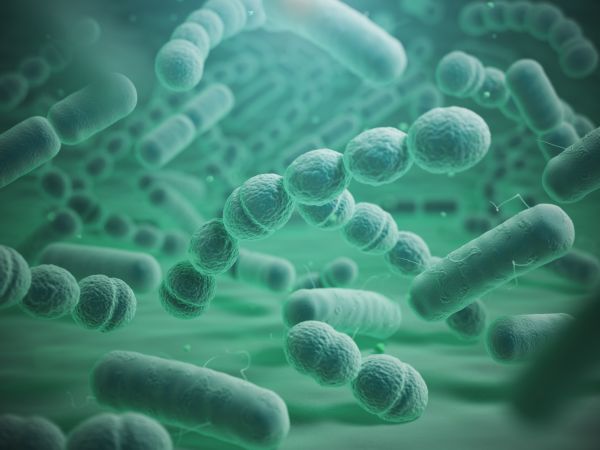
The intestines are an ecosystem. You have between 3-6 pounds of bacteria (called bowel flora) in your colon. There are more bacterial cells in the colon than there are cells in your entire body (bacteria cells are much smaller than your other cells). When describing this system, the word “microbiome” is frequently used.
Bacteria are like little chemical factories. Good flora produce vitamins, heal the intestinal lining, break down toxins, and suppress bad flora. Bad flora produce toxins, irritate the intestinal lining, and suppress good flora. There is a connection between bowel flora and allergy. A group of scientists measured the composition of microbes in the stool of infants from Estonia and Sweden. They found that children who developed allergies by the time they turned 2 years of age had different amounts of certain bacteria in their guts than those without allergies [1].
It is fairly obvious that GI symptoms would be caused by bowel flora imbalance. Studies have shown this to be true [2-4]. Simply taking probiotics is useful. Addressing the microbiome can also be helpful in liver disease [5].
The Microbiome and Chronic Disease
Bacterial byproducts are linked to toxicity, nutrient status, the immune system, and general biochemistry. The makeup of the bowel flora can affect organs and systems beyond the GI tract. Also, the GI symptoms may not be severe or obvious in people with bowel flora imbalance or leaky gut.
The Microbiome Affects Type 2 Diabetes, Obesity, and Metabolic Syndrome
Several studies link insulin insensitivity and diabetes to the makeup of the bowel flora [6-9]. The makeup of the bowel flora is also linked to obesity [10,11]. Fat people generally have different bowel flora than skinny people.
Berberine and its benefit to insulin insensitivity and type 2 diabetes has been extensively studied. Berberine also kills certain microbes and affects the bowel flora. Studies have shown that this may be the reason berberine is beneficial to diabetics [12,13].
Cardiovascular Health and the Microbiome
There are a few studies that show cradiovascular benefit by addressing the microbiome [14]. High cholesterol has been linked to imbalance of the bowel flora [15,16].
The Microbiome Affects the Brain and Nervous System
Research has shown that gut bacteria can affect the brain [17]. Bowel flora may also be involved with neurodegenerative diseases, like Parkinson’s [18].
Depression: New research is showing a strong connection between bowel ecology and depression [19-22]. There is a lot of excitement about this; addressing the makeup of bowel flora and the accompanying inflammation may be the way to help severely depressed individuals.
Immunity and the Microbiome
Since so much of the immune system is associated with the GI tract, problems with bowel flora and leaky gut have a strong effect. The makeup of the microbiome has a profound effect on the immune system in general. There are also studies that show GI involvement with allergies and with autoimmune diseases.
General Immunity and the Microbiome
The makeup of the microbiome can affect your resistance to viral and bacterial infection. There are several studies that support this. Most of them show that probiotic supplementation (good flora) can support the immune system [23-25].
Allergies and the Microbiome
Both leaky gut and bowel flora imbalance are linked to allergies. Studies show that leaky gut is linked to allergy [26-30]. The connection to allergies and liver was mentioned in the Allergy category. Addressing the microbiome can also be helpful in liver disease [31-33].
One interesting way that allergy/microbiome connection has been tested is with fecal transplant. Fecal transplant, which is moving the bowel flora from one individual to another, is one way to see if bowel flora have an effect on allergies. There are a few studies where fecal transplant improved atopic dermatitis [34,35]. (this is just research; we are not suggesting it as a treatment). Something as simple as taking probiotics has benefited people with allergies [36].
One study even found bifidobacterial supplementation for mothers and newborns reduced the incidence of allergy [37]. There is other evidence that taking probiotics during pregnancy affects the microbiome of the newborn [38]. It may give us a way to prevent asthma. Infants with delayed development of the microbiome are prone to asthma, and that issue can be addressed with probiotic supplementation [39].
Autoimmune Disease and the Microbiome
Addressing the microbiome and leaky gut may be the best way to help people with autoimmune diseases. According to studies, there is a connection between the severity of the disease and the makeup of the microbiome and the integrity of the intestinal lining.
People with psoriasis and psoriatic arthritis have a distinct bowel flora makeup, according to studies [40,41]. In rheumatoid arthritis, changes in the microbiome can reduce symptoms [42,43]. Interestingly, the changes in the microbiome and the symptomatic improvements were brought about by changes in the diet.
There may be a link between inflammatory bowel disease and autoimmune disease [44]. Inflammatory bowel disease seems to have both immune and autoimmune components [45].
IBS, SIBO, and IBD
SIBO & IBS
It is appropriate to discuss SIBO (small intestine bacterial overgrowth) and IBS (irritable bowel syndrome) at the same time. For one thing, SIBO is likely to be responsible for most cases of IBS [46,47]. Even if that is not the case, bacteria and the makeup of the microbiome is strongly linked to irritable bowel syndrome [48-55]. Fecal transplant has been used to successfully treat IBS [56-58]. That, combined with the fact that many cases of IBS begin as a gastrointestinal infection [59], indicate involvement of the microbiome with IBS.
IBD (Inflammatory Bowel Disease)
IBD includes Crohn’s disease and ulcerative colitis. There is much evidence that the microbiota plays a role in these diseases. Fecal transplant has consistently gotten ulcerative colitis patients to go into remission [60-62]. (There are many more studies, just a few are listed here). One study even identified problem bacteria [61].
Fecal transplant in patients with Crohn’s disease has also been successful in some studies. Success is less pronounced than it is for ulcerative colitis. This makes sense because Crohn’s disease occurs mainly in the small intestine, and bacteria do not belong there. Specific bacteria have been identified and linked to symptoms of Crohn’s disease.
Saccharomyces Boulardii is a yeast that displaces other flora. It is used to get rid of undesirable bowel flora. Studies have shown it to be an effective treatment for inflammatory bowel disease [63,64]. Once you stop taking Saccharomyces Boulardii, it goes away.
The microbiome may play a role in Crohn’s disease. Enteral feeding will produce remission in 80-90% of patients. The authors of one study believe that the improvement is due to changes in the microbiome and a reduction in bacterial toxins [65]. They state, “A significant change occurs in the production of microbial metabolites after enteral feeding in both healthy volunteers and patients with CD [Crohn’s disease]. Many of those detected in CD are toxic and may feasibly lead to the immunological attack on the gut microbiota, which is characteristic of inflammatory bowel disease. The reduction in the production of such metabolites after enteral feeding may be the reason for its effectiveness in CD.”
The specific carbohydrate diet was developed by Dr. Sydney Haas in the 1940s. It was made popular by Elaine Gottschall in her book, Ending the Vicious Cycle. It presents a reasonable mechanism for at least some cases of Crohn’s disease and ulcerative colitis. Many practitioners have found that this approach helps with other digestive issues, like IBS, SIBO, GERD etc. The diet has been well-studied and found to be effective in many cases of inflammatory bowel disease as well as cases of IBS and SIBO [66-68].
The mechanism that leads to digestive problems that Gottschall suggests is as follows.
Incomplete digestion –> Growth of improper GI flora –>Irritation of the SI mucosa –>Decreased production of enzymes from the SI (disaccharidases) –>Incomplete digestion–>More improper flora, etc.
Poor digestion can cause inappropriate bowel flora to grow. Complex carbohydrates, in general, seem to have the potential to disrupt the microbiome. This may explain the popularity of ketogenic and Paleo diets.
What Disrupts the Microbiome?
Drug therapy, especially acid suppressing medications and antibiotics can alter it. Diet, especially refined foods, and chemical additives can disrupt it as well. There is some indication that gluten and dairy are often problematic. Eating food that is not well digested grows inappropriate flora, which is why the specific carbohydrate diet is so effective. Food that is not digested rots and disrupts the ecology of the intestines.
STRATEGIES TO IMPROVE THE MICROBIOME AND HEAL LEAKY GUT
Probiotics: Taking the right kind of bacteria has become a way to improve the intestinal ecology. As more research is being done, we are finding the importance of specific strains. Bifidobacterium, for example, is often beneficial to allergy patients. Increasing floral diversity has been one way to improve the health of IBD patients. This is another example of the use of probiotics for health.
The environment is more important: Many who take probiotic supplements find that they have to keep taking them. The good bacteria do not colonize because of poor living conditions. It is a lot like dropping polar bears off in the jungle or leaving tropical birds in Antarctica. They do not survive. You need to create an environment that is friendly to the new bacteria. Diet, chewing your food thoroughly, and addressing the initial phase of digestion need to be addressed if you want the desirable bowel flora to survive.
Diet and the Microbiome: What you eat and how you eat affects the content of the microbiome. Gluten, for example, has been shown to create problems with the microbiome in many patients (not just those with Celiac disease) [69]. Avoiding chemical additives, GMOs, and refined foods is vital.
Getting plenty of vegetables in the diet is important. Vegetables contain polyphenols (powerful antioxidants), and fiber, both of which help healthy flora to grow [70-72]. Studies have shown that healthy diets, like the Mediterranean diet, help balance the microbiome [73].
The Specific Carbohydrate Diet: Avoiding complex carbohydrates seems to be an effective way to help balance the microbiome. Avoid starches (like corn, rice, potatoes), and disaccharides (like table sugar, lactose [dairy]).
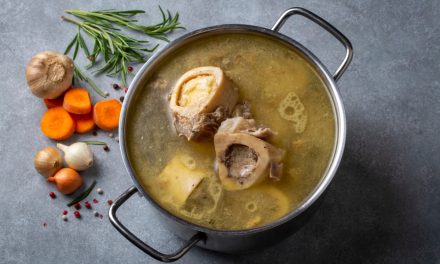
Healing Leaky Gut: There are supplements, like glycine, that can help heal the intestinal lining. Balancing the bowel flora is one way to help heal the intestinal lining. You can also make and drink bone broth. Making fresh green vegetable juice provides polyphenols, which will protect and heal the lining. Dr. George Goodheart advocated making a large, chopped salad twice each day. Many have found this to be effective because it nourishes healthy bacteria as well as heals. Making and drinking bone broth is also a good strategy.
The Initial Phase of Digestion: This starts with thoroughly chewing your food and mixing it with salivary amylase, helping to ensure that it is well digested.
- Stomach HCl: In a study that looked at the effect HCl production had on the microbiome, researchers concluded, “in those cases where acidity is reduced, the gut is more likely to be colonized by pathogens.” [74]
- Pancreatic Enzymes: Unlike hypochlorhydria, medicine recognizes the possibility of the pancreas not producing adequate enzymes for digestion.
- Biliary Insufficiency: People with biliary stasis may experience pain over the eyes, pain when pressure is applied to the webbing between the right thumb and forefinger, and pain between the shoulder blades. Biliary stasis can progress to the formation of gallstones. People with this issue do not digest fats well.
Natural Antimicrobials for Dysbiosis
Killing microbes: Since the growth of inappropriate flora is the cause of SIBO and the likely cause of IBS, killing undesirable bacteria is a common approach. Natural substances, unlike antibiotic drugs, tend to not further disrupt the microbiome. Here are a few natural antimicrobials:
Saccharomyces Boulardii has been used to treat inflammatory bowel disease and other intestinal infections [75,76]. It is a microbe that will crowd out all other microbes in the GI tract and disappear when supplementation is discontinued.
Olive Leaf not only kills bacteria, but supports the immune system [77,78].
Berberine will not only kill undesirable bacteria, but it will also support normal bowel bacteria and reduce intestinal inflammation. It has also been used to treat colitis [79,80,81,90].
Emulsified Organic Oregano Oil is one of the most powerful natural substances that kill undesirable bacteria [82-85].
Related Articles:
Why Researchers Think Your Gut Microbiome May Influence Colon Cancer Risk
Selected References:
- Journal of Allergy and Clinical Immunology (2001;108:516-520) Establishment of the intestinal microbiota and its role for atopic dermatitis in early childhood
- Aliment Pharmacol Ther. 2021 Feb;53(4):499-509 Fructan-sensitive children with irritable bowel syndrome have distinct gut microbiome signatures
- Inflamm Bowel Dis. 2014 Jun;20(6):978-86 Alterations in the intestinal microbiome (dysbiosis) as a predictor of relapse after infliximab withdrawal in Crohn’s disease
- Gastroenterology 2015 Oct;149(4):883-5.e9 Proton Pump Inhibitors Alter Specific Taxa in the Human Gastrointestinal Microbiome: A Crossover Trial
- Nurs Res. 2010 Nov-Dec;59(6):426-32 Probiotic yogurt effects on intestinal flora of patients with chronic liver disease
- Cell Metab. 2020 Jan 7;31(1):77-91.e5 Gut Microbiome Fermentation Determines the Efficacy of Exercise for Diabetes Prevention
- Diabetologia 2018 Apr;61(4):810-820 Aberrant intestinal microbiota in individuals with prediabetes
- Orv Hetil. 2016 Jan 3;157(1):13-22 Physiological patterns of intestinal microbiota. The role of dysbacteriosis in obesity, insulin resistance, diabetes and metabolic syndrome
- Physiol Genomics. 2018 Apr 1;50(4):244-254).Gut microbiome may contribute to insulin resistance and systemic inflammation in obese rodents: a meta-analysis
- Gut 2016 Mar;65(3):426-36 Akkermansia muciniphila and improved metabolic health during a dietary intervention in obesity: relationship with gut microbiome richness and ecology
- Nat Commun. 2020 Oct 6;11(1):5015Gut microbiome-related effects of berberine and probiotics on type 2 diabetes (the PREMOTE study)
- Nat Commun. 2020 Oct 6;11(1):5015Gut microbiome-related effects of berberine and probiotics on type 2 diabetes (the PREMOTE study)
- Biomed Pharmacother. 2020 Nov;131:110669 Berberine alleviates type 2 diabetic symptoms by altering gut microbiota and reducing aromatic amino acids
- Biomed Res Int. 2017;2017:3796359 Association Study of Gut Flora in Coronary Heart Disease through High-Throughput Sequencing
- Eur J Nutr. 2019 Oct;58(7):2713-2729 Effects of products designed to modulate the gut microbiota on hyperlipidaemia
- Biomed Res Int. 2017;2017:8127814 Bacterial Community Profile of the Gut Microbiota Differs between Hypercholesterolemic Subjects and Controls
- Br J Nutr. 2014 Oct 28;112(8):1341-52 Patterns of dietary intake and serum carotenoid and tocopherol status are associated with biomarkers of chronic low-grade systemic inflammation and cardiovascular risk
- Cells 2020 Feb 6;9(2):376 Interventional Influence of the Intestinal Microbiome Through Dietary Intervention and Bowel Cleansing Might Improve Motor Symptoms in Parkinson’s Disease
- Pharmaceuticals (Basel). 2023 Apr 9;16(4):565. Gut Microbiota in Anxiety and Depression: Unveiling the Relationships and Management Options
- NPJ Published: 22 April 2024 Diet and the gut microbiome in patients with Parkinson’s disease
- Psychoneuroendocrinology. 2018 Dec;98:52-60Marital distress, depression, and a leaky gut: Translocation of bacterial endotoxin as a pathway to inflammation
- Sci Rep. 2020 Feb 28;10(1):3680 Disturbance in human gut microbiota networks by parasites and its implications in the incidence of depression
- Neuro Endocrinol Lett. 2008 Feb;29(1):117-24 The gut-brain barrier in major depression: intestinal mucosal dysfunction with an increased translocation of LPS from gram negative enterobacteria (leaky gut) plays a role in the inflammatory pathophysiology of depression
- Nutr Res. 2019 Apr;64:1-8 Short-term probiotic supplementation enhances cellular immune function in healthy elderly: systematic review and meta-analysis of controlled studies
- World J Pediatr. 2019 Jun;15(3):255-261 Alterations of intestinal flora and the effects of probiotics in children with recurrent respiratory tract infection
- West Indian Med J. 1994 Sep;43(3):87-8 The intestinal permeability test applied to the diagnosis of food allergy in paediatrics
- Orv Hetil. 1996 Jan 14;137(2):65-9 Relationship between intestinal permeability and antibodies against food antigens in IgA nephropathy
- Scand J Rheumatol. 1982;11(1):33-8 Influence of fasting on intestinal permeability and disease activity in patients with rheumatoid arthritis
- Pediatr Med Chir. 1991 Mar-Apr;13(2):169-72 Intestinal permeability, atopic eczema and oral disodium cromoglycate
- Scand J Rheumatol. 1982;11(1):33-8 Influence of fasting on intestinal permeability and disease activity in patients with rheumatoid arthritis
- Nurs Res. 2010 Nov-Dec;59(6):426-32 Probiotic yogurt effects on intestinal flora of patients with chronic liver disease
- Aliment Pharmacol Ther. 2011 Mar;33(6):662-71 Meta-analysis: the effects of gut flora modulation using prebiotics, probiotics and synbiotics on minimal hepatic encephalopathy
- Clin Exp Allergy. 2015 Sep;45(9):1419-29). Gut microbiome and innate immune response patterns in IgE-associated eczema
- JCI Insight. 2018 May 3;3(9):e120608 First-in-human topical microbiome transplantation with Roseomonas mucosa for atopic dermatitis
- J Clin Gastroenterol. 2012 Oct;46 Suppl:S56-63 Changing of fecal flora and clinical effect of L. salivarius LS01 in adults with atopic dermatitis
- Benef Microbes. 2019 Feb 8;10(1):5-17 Eczema-protective probiotic alters infant gut microbiome functional capacity but not composition: sub-sample analysis from a RCT
- Allergol Int. 2014 Dec;63(4):575-85 Effects of bifidobacterial supplementation to pregnant women and infants in the prevention of allergy development in infants and on fecal microbiota
- J Pediatr Gastroenterol Nutr. 2015 Aug;61(2):200-7 Does Maternal Perinatal Probiotic Supplementation Alter the Intestinal Microbiota of Mother and Child?
- Nat Commun. 2018 Feb 16;9(1):707 Delayed gut microbiota development in high-risk for asthma infants is temporarily modifiable by Lactobacillus supplementation
- Exp Dermatol. 2018 Dec;27(12):1336-1343 Intestinal microbiota profiling and predicted metabolic dysregulation in psoriasis patients
- Sci China Life Sci. 2019 Jun;62(6):807-815 Dysbiosis of gut microbiota was closely associated with psoriasis
- Br J Rheumatol. 1997 Jan;36(1):64-8 Faecal microbial flora and disease activity in rheumatoid arthritis during a vegan diet
- June 2018 Cell Metabolism 27(6):1222-1235.e6 Intermittent Fasting Confers Protection in CNS Autoimmunity by Altering the Gut Microbiota
- Inflamm Bowel Dis. 2012 Oct;18(10):1809-17 Pediatric ulcerative colitis associated with autoimmune diseases: a distinct form of inflammatory bowel disease?
- Scand J Gastroenterol. 2015;50(9):1076-87 Molecular assessment of differences in the duodenal microbiome in subjects with irritable bowel syndrome
- J Gastroenterol. 2015;50(9):1076-87
- J Gastroenterol Hepatol. 2011 Apr;26 Suppl 3:135-8 Small intestinal bacterial overgrowth (SIBO) in irritable bowel syndrome: frequency and predictors
- Dig Dis Sci. 2009 Jan;54(1):132-5 Incidence of predominant methanogenic flora in irritable bowel syndrome patients and apparently healthy controls from North India
- J Ethnopharmacol. 2019 Jun 12;237:182-191 Effect of water extract from Berberis heteropoda Schrenk roots on diarrhea-predominant irritable bowel syndrome by adjusting intestinal flora
- Dig Liver Dis. 2017 Apr;49(4):331-337 Altered molecular signature of intestinal microbiota in irritable bowel syndrome patients compared with healthy controls: A systematic review and meta-analysis
- Zhong Xi Yi Jie He Xue Bao. 2004 Sep;2(5):340-2 Observation on intestinal flora in patients of irritable bowel syndrome after treatment of Chinese integrative medicine
- Zhongguo Zhong Xi Yi Jie He Za Zhi. 2006 Mar;26(3):218-20 Preliminary study on intestinal flora in diarrhea type irritable bowel syndrome with pi-wei dampness-heat syndrome
- World J Gastroenterol. 2014 Mar 14;20(10):2449-55 Overgrowth of the indigenous gut microbiome and irritable bowel syndrome
- Expert Rev Gastroenterol Hepatol. 2018 May;12(5):439-445 Fecal microbiota transplantation for managing irritable bowel syndrome
- J Clin Gastroenterol. 2017 Nov/Dec;51(10):869-877 Postinfection Irritable Bowel Syndrome: The Links Between Gastroenteritis, Inflammation, the Microbiome, and Functional Disease
- Expert Rev Gastroenterol Hepatol. 2018 May;12(5):439-445 Fecal microbiota transplantation for managing irritable bowel syndrome
- Curr Opin Endocrinol Diabetes Obes. 2014 Feb;21(1):15-21 Irritable bowel syndrome, inflammatory bowel disease and the microbiome
- Chin Med J (Engl). 2019 Apr 20;132(8):889-904). Characteristic dysbiosis of gut microbiota of Chinese patients with diarrhea-predominant irritable bowel syndrome by an insight into the pan-microbiome
- J Clin Gastroenterol. 2017 Nov/Dec;51(10):869-877 Postinfection Irritable Bowel Syndrome: The Links Between Gastroenteritis, Inflammation, the Microbiome, and Functional Disease
- 2019 Jan 15;321(2):156-164 Effect of Fecal Microbiota Transplantation on 8-Week Remission in Patients With Ulcerative Colitis: A Randomized Clinical Trial
- Lancet 2017 Mar 25;389(10075):1218-1228 Multidonor intensive faecal microbiota transplantation for active ulcerative colitis: a randomised placebo-controlled trial
- Inflamm Bowel Dis. 2017 Oct;23(10):1702-1709) Systematic Review and Meta-analysis: Fecal Microbiota Transplantation for Treatment of Active Ulcerative Colitis
- Immunopharmacol Immunotoxicol. 2018 Dec;40(6):465-475 Review of Saccharomyces boulardii as a treatment option in IBD
- World J Gastroenterol. 2019 May 14;25(18):2188-2203. Diversity of Saccharomyces boulardii CNCM I-745 mechanisms of action against intestinal infections
- J Clin Nutr. 2016 Sep;70(9):1052-6 Enteral feeding reduces metabolic activity of the intestinal microbiome in Crohn’s disease: an observational study
- World J Gastroenter 2016 feb 14;22(6):2111-7 Response to strict and liberalized specific carbohydrate diet in pediatric Crohn’s disease
- Cureus 2018 feb 9;10(2)e2177 Effect of the Specific Carbohydrate Diet on the Microbiome of a Primary Sclerosing Cholangitis and Ulcerative Colitis Patient
- J Pediatr Gastroenterol Nutr 2014 Jan;58(1):87-91 Nutritional therapy in pediatric Crohn disease: the specific carbohydrate diet
- Nat Commun. 2018 Nov 13;9(1):4630 A low-gluten diet induces changes in the intestinal microbiome of healthy Danish adults
- Curr Pharm Des. 2017;23(16):2344-2351 Gut Microbiota Modulation and Anti-Inflammatory Properties of Dietary Polyphenols in IBD: New and Consolidated Perspectives
- Curr Pharm Des. 2017;23(16):2344-2351
- BMC Microbiol. 2016 Nov 3;16(1):255 Pectin enhances the effect of fecal microbiota transplantation in ulcerative colitis by delaying the loss of diversity of gut flora
- Gut 2020 Jul;69(7):1218-1228 Mediterranean diet intervention alters the gut microbiome in older people reducing frailty and improving health status: the NU-AGE 1-year dietary intervention across five European countries
- PLOS ONE | DOI:10.1371/journal.pone.0134116 July 29, 2015
- Immunopharmacol Immunotoxicol. 2018 Dec;40(6):465-475 Review of Saccharomyces boulardii as a treatment option in IBD
- World J Gastroenterol. 2019 May 14;25(18):2188-2203 Diversity of Saccharomyces boulardii CNCM I-745 mechanisms of action against intestinal infections
- Antioxidants (Basel). 2017 May 17;6(2):34 A Study of the Protective Properties of Iraqi Olive Leaves against Oxidation and Pathogenic Bacteria in Food Applications
- Endocr Metab Immune Disord Drug Targets 2018;18(1):85-93 Olive Leaf Extracts Act as Modulators of the Human Immune Response
- Biomed Pharmacother. 2019 Oct;118:109131 Effects of berberine and metformin on intestinal inflammation and gut microbiome composition in db/db mice
- Appl Microbiol Biotechnol. 2020 Feb;104(4):1737-1749 Berberine ameliorates colonic damage accompanied with the modulation of dysfunctional bacteria and functions in ulcerative colitis rats
- Acta Pharmacol Toxicol (Copenh) 1952;8(1):71-8 Toxicity of alkaloids to certain bacteria. II. Berberine, physostigmine, and sanguinarine
- Pak J Pharm Sci. 2009 Oct;22(4):421-4 Antibacterial activity of oregano (Origanum vulgare Linn.) against gram positive bacteria
- Food Microbiol. 2015 May;47:69-73 Application of an oregano oil nanoemulsion to the control of foodborne bacteria on fresh lettuce
- Curr Pharm Des. 2019;25(16):1809-1816 Essential Oil and Ethanol Extract of Oregano (Origanum vulgare L.) from Armenian Flora as a Natural Source of Terpenes, Flavonoids and other Phytochemicals with Antiradical, Antioxidant, Metal Chelating, Tyrosinase Inhibitory and Antibacterial Activity
- Pak J Pharm Sci. 2009 Oct;22(4):421-4 Antibacterial activity of oregano (Origanum vulgare Linn.) against gram positive bacteria
- J Oral Sci. 2017 Dec 27;59(4):597-601 The effects of essential oil, povidone-iodine, and chlorhexidine mouthwash on salivary nitrate/nitrite and nitrate-reducing bacteria
- Zhonghua Yan Ke Za Zhi. 2008 Dec;44(12):1098-102 [Comparative study of gentamycin and povidone-iodine on eliminating the conjunctival bacteria]
- Phys Chem Chem Phys. 2010 Oct 21;12(39):12653-7 The aluminium and iodine pentoxide reaction for the destruction of spore forming bacteria
- J Cataract Refract Surg. 2012 Jan;38(1):92-6. Effect of povidone-iodine concentration and exposure time on bacteria isolated from endophthalmitis cases
- Front Pharmacol. 2018 May 31;9:571 Berberine Regulates Treg/Th17 Balance to Treat Ulcerative Colitis Through Modulating the Gut Microbiota in the Colon