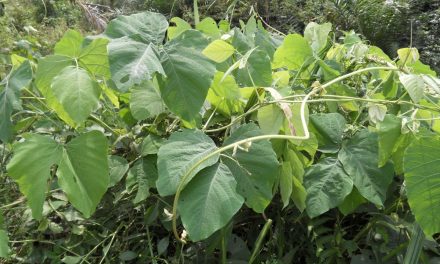
Medicinal Use of Barberry
The medicinal use of barberry dates back more than 2,500 years. Traditionally, barberry has been used to support gastrointestinal health, lymphatic function, the urinary tract, and the respiratory system, and to help reduce fever. Its primary active compound, berberine, is a naturally occurring alkaloid that gives the bark and root their characteristic yellow color.
Historically, barberry was valued for its antimicrobial, astringent, and antifungal properties. Traditional texts describe its use for calming the nervous system, reducing muscle spasms, constricting capillaries, and lowering blood pressure. Today, barberry continues to be used in countries such as Iran, particularly for digestive complaints including heartburn and biliary disorders such as gallbladder dysfunction. Barberry also contains antioxidant compounds that help protect tissues from oxidative stress.
Berberine has been shown in laboratory studies to inhibit the growth of certain bacteria and may support normal immune responses. Traditionally, barberry has been used for inflammatory and infectious conditions of the gastrointestinal tract, including bacterial diarrhea and foodborne illness. In some cases, its effects were described as comparable to conventional treatments, possibly due to its astringent properties.
Barberry has also been used traditionally for conditions affecting the respiratory tract, such as sore throat, nasal congestion, sinus irritation, and bronchitis, as well as for bladder and urinary tract infections. In addition, berberine-containing preparations have been used for candida (yeast) overgrowth affecting the skin, gastrointestinal tract, and vagina.
Extracts of barberry have also been explored for their potential role in supporting skin health. Traditional and preliminary research suggests possible benefits for inflammatory skin conditions such as acne and psoriasis, although further research is needed to confirm these effects.
Precautions
Barberry should not be used during pregnancy, as it may stimulate uterine contractions and increase the risk of miscarriage. In infants, berberine may interfere with liver function and could worsen jaundice.
Barberry may interact with several medications. It may reduce the effectiveness of certain antibiotics or alter their activity. It may also increase the effects of blood-thinning medications, blood pressure medications, diuretics, antihistamines, and diabetes drugs. Because barberry can lower blood sugar and blood pressure, it should not be combined with related medications unless supervised by a healthcare professional. Individuals taking anticoagulants, antihypertensive drugs, diabetes medications, or anti-inflammatory drugs such as celecoxib should consult a physician before using barberry.
Antioxidant Activity and Other Qualities of Berberine
Anti-Microbial Effects of Berberine
Berberine and Bacterial Diarrhea