
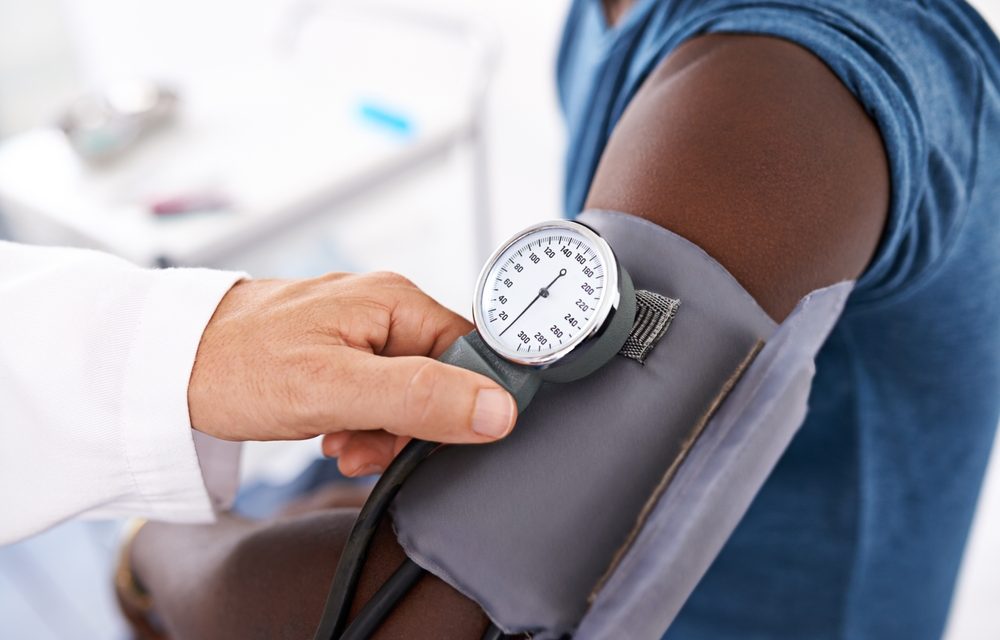
Blood pressure regulation is central to cardiovascular health. It involves a balance between vasoconstriction and vasodilation, influenced by hormones, nutrients, and endothelial function. Disruptions in this balance can contribute to hypertension and vascular damage.
Angiotensin, Blood Pressure, & Vascular Health
Much of the damage done to the vascular endothelium is due to high blood pressure. Angiotensin is a peptide hormone that causes vasoconstriction and an increase in blood pressure. It also stimulates the release of aldosterone from the adrenal cortex to promote sodium retention by the kidneys.
Nutrients have been studied and found to help reduce blood pressure, some by addressing angiotensin, some through other mechanisms. Vitamin D, for example, is associated with lowering levels of angiotensin [1,2]. Magnesium is necessary for vitamin D to be active [3] and is important for the health of the vascular endothelium [4-9]. Low magnesium is associated with increased angiotensin, arterial calcification, and fibrogenesis [10-14].
Hypertension
Clinical cases of hypertension often present with enhanced sympathetic nerve activation [15], resulting in increased vasoconstriction and reduced vasodilation.
The endothelial cells lining the arteries are the frontline of the battle to prevent vascular disease. Inflammation and excessive blood pressure can damage the endothelial cells. Damage attracts white blood cells, which attach to the arterial wall, attracting cholesterol and other fatty materials, as well as calcium, in an attempt to “heal the injury”. This forms “plaque”; which occupies space and narrows the vessel. The plaque can also invade the smooth muscle wall of the artery, making it less supple.
There are a number of vasoactive molecules that also play a role in the maintenance of a balance between vasoconstriction and vasorelaxation. Nitric oxide (NO) is one of these molecules and is released by endothelial cells to promote vasodilation. Angiotensin II is the primary vasoconstrictive hormone. Drugs, like ACE inhibitors are used to block angiotensin.
The Importance of Nitric Oxide
Nitric oxide helps lower blood pressure and ensure cardiovascular health. The vascular endothelium produces NO, which helps relax the smooth muscle of the arteries.
Studies have shown NO can help reduce vascular tone and even help to lower blood pressure [16,17]. Suppressing NO production can cause an increase in blood pressure [18].
Nitric oxide has other physiologic benefits. It is controversial, but some studies show that nitric oxide production enhances exercise performance [19,20]. One analysis of studies using citrulline to increase NO production and improve sports performance suggested that increasing NO was a subtle benefit to exercise performance and may be useful to elite athletes who rely on small advantages to increase performance [21].
These mechanisms are central to overall cardiovascular health and are discussed further in our overview of cardiovascular function.
Related Articles
Olive Leaf Extract and Blood Pressure
Potassium: The Heart-Healthy Mineral Most People Don’t Get Enough Of
Selected References
- J Vasc Res. 2019;56(1):17-27. Vitamin D Ameliorates Angiotensin II-Induced Human Endothelial Progenitor Cell Injury via the PPAR-γ/HO-1 Pathway
- J Steroid Biochem Mol Biol. 2004 May;89-90(1-5):387-92 Vitamin D: a negative endocrine regulator of the renin-angiotensin system and blood pressure
- The Journal of the American Osteopathic Association, March 2018, Vol. 118 The Role of Magnesium in Vitamin D Activation and Function.
- Int J Mol Sci. 2018 Jun 11;19(6):1724 Role of Magnesium Deficiency in Promoting Atherosclerosis, Endothelial Dysfunction, and Arterial Stiffening as Risk Factors for Hypertension
- J Hypertens. 2017 Jan;35(1):89-97 Oral magnesium supplementation improves endothelial function and attenuates subclinical atherosclerosis in thiazide-treated hypertensive women
- Mol Aspects Med. 2003 Feb-Jun;24(1-3):137-46 Low magnesium and atherosclerosis: an evidence-based link
- Am J Epidemiol. 2009 Jun 15;169(12):1437-44 Serum and dietary magnesium and risk of ischemic stroke: the Atherosclerosis Risk in Communities Study
- Biochim Biophys Acta. 2004 May 24;1689(1):13-21 Low magnesium promotes endothelial cell dysfunction: implications for atherosclerosis, inflammation and thrombosis
- Am J Clin Nutr. 2020 Jan 1;111(1):52-60 Serum magnesium and the incidence of coronary artery disease over a median 27 years of follow-up in the Atherosclerosis Risk in Communities (ARIC) Study and a meta-analysis
- Pregnancy Hypertens. 2020 Nov 24;23:56-58 Plasma angiotensin II levels in women with severe preeclampsia under magnesium sulfate regimen
- J Hypertens. 2005 Feb;23(2):375-80 Magnesium supplementation prevents angiotensin II-induced myocardial damage and CTGF overexpression
- Am J Physiol Heart Circ Physiol. 2006 Jul;291(1):H436-40. Cardiac fibrogenesis in magnesium deficiency: a role for circulating angiotensin II and
- Eur J Clin Invest. 2015 Nov;45(11):1129-44 Angiotensin II prevents calcification in vascular smooth muscle cells by enhancing magnesium influx
- J Lab Clin Med. 1993 Oct;122(4):432-40. Effects of magnesium on the renin-angiotensin-aldosterone system in human subjects
- Grassi G, Mark A, Esler M. The sympathetic nervous system alterations in human hypertension. Circ Res. 2015;116:976–90.
- Circulation. 1995 Aug 1;92(3):320-6. Contribution of nitric oxide to metabolic coronary vasodilation in the human heart
- Platelets. 2012;23(1):26-35. Nitric oxide and peroxynitrite platelet levels in gestational hypertension and preeclampsia
- J Hypertens. 1993 Dec;11(12):1375-80 Inhibition of nitric oxide synthesis increases blood pressure in healthy humans
- J Strength Cond Res. 2016 Dec;30(12):3520-3524 Ingestion of a Nitric Oxide Enhancing Supplement Improves Resistance Exercise Performance
- J Am Heart Assoc. 2020 Mar 3;9(5):e014923 New Nutraceutical Combination Reduces Blood Pressure and Improves Exercise Capacity in Hypertensive Patients Via a Nitric Oxide-Dependent Mechanism
- Sports Med. 2019 May;49(5):707-718 Acute Effects of Citrulline Supplementation on High-Intensity Strength and Power Performance: A Systematic Review and Meta-AnalysisEur J Clin Nutr 2010 Feb;64(2):221-3 Vitamin B6 deficiency and anemia in pregnancy







