
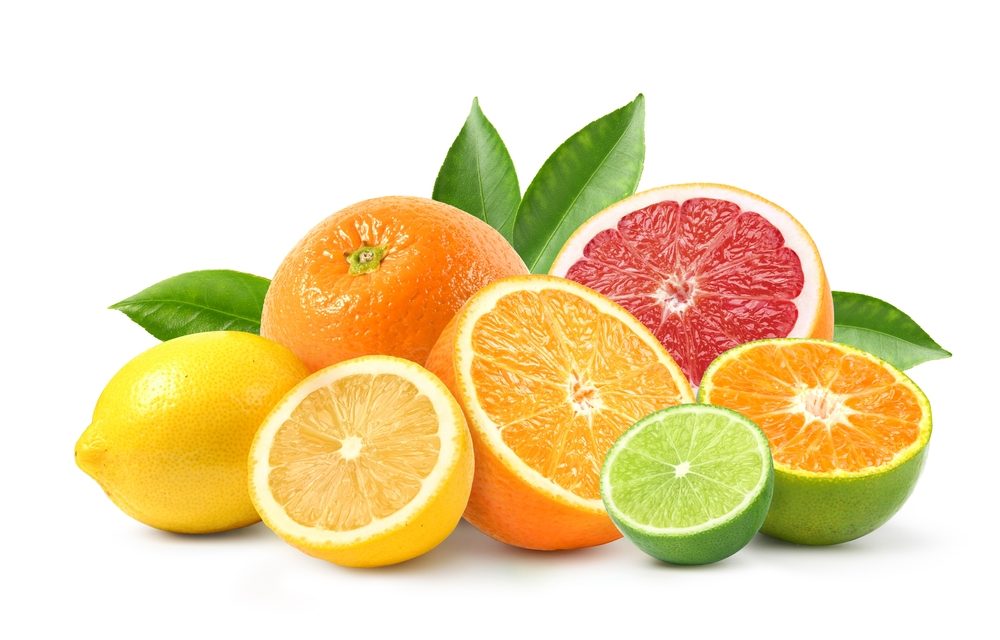
Bioflavonoids are part of a class of chemicals called polyphenols. They are naturally occurring antioxidant compounds synthesized by plants. Several bioflavonoids—including hesperidin, hesperetin, and neohesperidin—are found in citrus fruits and have been studied for their effects on oxidative stress at the cellular level.
Laboratory research published in the Journal of Agricultural and Food Chemistry (published online January 2008, ahead of print) examined the effects of these citrus-derived bioflavonoids on cultured cells exposed to oxidative damage. In the study, cells were treated with varying concentrations of hesperidin, hesperetin, or neohesperidin and then exposed to hydrogen peroxide to induce oxidative stress and cellular injury.
The investigators reported that all three bioflavonoids reduced cell loss and protected cell membranes from peroxide-induced damage. In addition, treatment with these compounds increased activity of catalase, an endogenous antioxidant enzyme involved in the detoxification of hydrogen peroxide.
Because oxidative stress is a known contributor to cellular injury in multiple tissues, including the nervous system, these findings have been discussed in the context of neurodegenerative research. Some investigators have proposed that oxidative damage plays a role in conditions such as Alzheimer’s disease, where beta-amyloid accumulation is associated with increased cellular stress and neuronal loss. The authors noted that antioxidant mechanisms observed in cell models may be relevant to these broader research questions, although the findings were limited to in vitro conditions.







