Why Are GLP-1 Drugs So Popular?
Drugs like Ozempic and Wegovy have become popular because they reduce appetite and help people lose weight. These drugs work by acting like a natural hormone in the body called GLP-1. GLP-1 helps regulate hunger, blood sugar, digestion, and feelings of fullness after eating. The drugs can be effective, but they also have downsides. Most patients regain weight after stopping them, as much as 25% of the weight loss is from loss of muscle, and side effects can include nausea, vomiting, constipation, muscle loss, and digestive problems.
Are There Tools for Weight Loss That Go Beyond GLP-1?
GLP-1 is not the only hormone involved in weight control. Your body uses many systems to regulate hunger and metabolism. Other hormones and systems involved include: insulin, leptin, ghrelin, thyroid hormones, cortisol, and the microbiome. This is important because there is no single “magic bullet” for weight loss.
The good news is that lifestyle and nutrition can naturally influence GLP-1 and these other systems.
Even on GLP-1, Diet Still Matters
The modern diet is filled with: refined sugar, processed food, low-fiber meals, and ultra-processed carbohydrates. These foods disrupt appetite regulation and blood sugar control. Small changes can make a big difference over time.
Natural Ways to Feel Fuller
1. Eat Only Protein for Breakfast
Start the day with protein and water. Drink about 20 ounces of water when you wake up and eat a protein-based breakfast. Protein helps reduce ghrelin, often called the “hunger hormone,” and may naturally support GLP-1 activity.
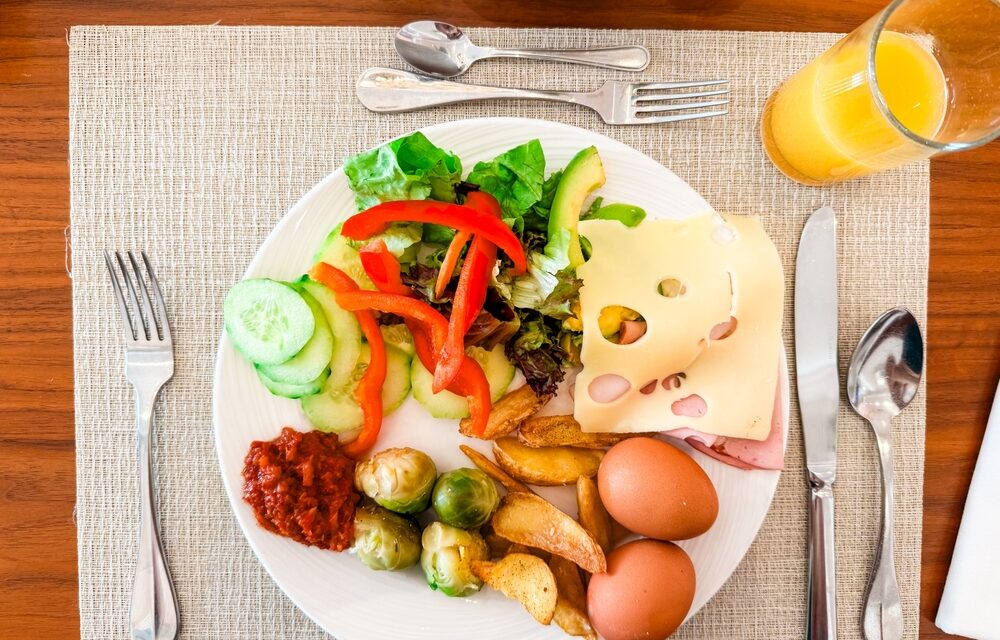
Avoid sugary breakfasts, cereal, toast, juice, and pastries. Most breakfasts today are basically desserts. Good choices include: eggs, meat, avocado, vegetables (vegetables are acceptable carbs; fruit and starch are not).
2. Eat More Vegetables and Fiber
Vegetables are rich in fiber and plant compounds called polyphenols. Fiber helps feed beneficial gut bacteria. These bacteria produce short-chain fatty acids, which help stimulate natural GLP-1 production in the intestine. Fiber also: helps you feel full, slows blood sugar spikes, supports the microbiome, and reduces cravings
3. Lower the Glycemic Load of Meals
One way to naturally mimic part of the effect of GLP-1 drugs is to reduce the glycemic load of meals. Search “glycemic load” and you will find a list of foods and their glycemic load. Avoid any food with a glycemic load greater than 10.
Supplements Can Enhance GLP-1
Omega-3 fats from fish oil and flax seed appear to influence appetite regulation and GLP-1 activity. These fats may also: reduce inflammation, support insulin sensitivity, help preserve muscle during weight loss.
Take Soluble Fiber: Fermentable fibers (like citrus pectin, psyllium, inulin, and beta-glucan) are broken down by gut bacteria and help produce GLP-1.
Berberine helps regulate appetite and blood sugar in ways similar to GLP-1 drugs. Research suggests that berberine alters the microbiome and increases short-chain fatty acid production, which may stimulate natural GLP-1 secretion in the intestine. A typical dose is 500 mg. 3x/day.
The goal is restoring healthier metabolism, appetite control, muscle mass, and long-term metabolic flexibility. For a more detailed discussion of GLP-1, appetite hormones, microbiome function, and the research behind these recommendations, read our full article: “Is There a Natural Ozempic?”