TL;DR
- A lot of digestive problems start with low stomach acid or inadequate enzymes—not too much acid
- That can lead to gas, bloating, reflux, and nutrient deficiencies
- Most people are told to block acid… when they may actually need better digestion
- Start with basics:
- Slow down and chew your food
- Follow the Roadmap to Health
- Support digestion (enzymes first, HCl when appropriate)
- If digestion is off, it affects everything—energy, mood, inflammation
If you scored high in the HCl & Enzymes section of the SymptomQuiz, this is one of the core areas your body may be struggling with.
HCl and Digestive Enzymes: Why Digestion Breaks Down (and Why Most People Get It Wrong)
Most digestive problems don’t start in the intestines—they start much earlier, during the initial phase of digestion. When this part of the process isn’t working properly, people notice symptoms like gas, bloating, or reflux. The typical response is simple: take an antacid and move on. That’s where the problem begins.
Dr. Alan Gaby once described the progression of health problems in America with a simple line: “Big Mac, Zantac, Prozac.” It’s not just a joke—it reflects a pattern that shows up every day. You eat junk, you develop digestive problems, and over time the diet–drug combination starts to affect the brain and nervous system.
Where Digestion Breaks Down
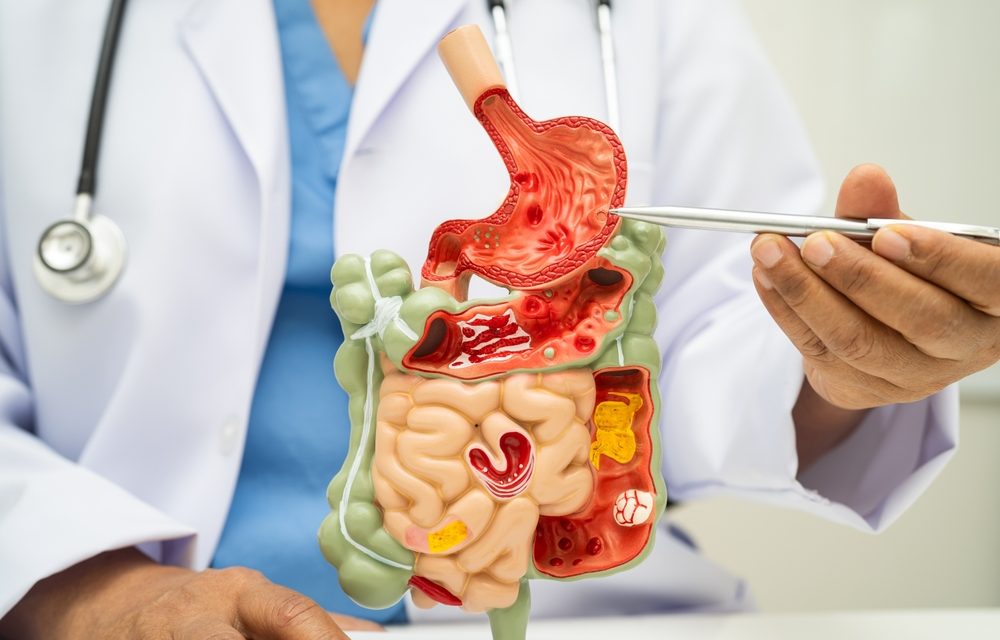
Digestion begins in the mouth, where enzymes in saliva start breaking down carbohydrates. It then moves to the stomach, where hydrochloric acid (HCl) and pepsin begin digesting protein. From there, food enters the duodenum, where pancreatic enzymes and bile continue the process.
If any part of this early phase is impaired—especially stomach acid or enzyme production—digestion becomes incomplete. And once digestion is incomplete, problems don’t stay in the gut. They begin to show up throughout the body.
The Two Common Problems
Most early digestive dysfunction comes down to two issues: low stomach acid (hypochlorhydria) and insufficient pancreatic enzymes. While targeted supplementation can help, diet and lifestyle still form the foundation. Eating slowly, chewing thoroughly, and following a structured dietary approach—such as the Roadmap to Health—remain essential first steps.
Where to Start: Enzymes or HCl?
In practice, digestive enzymes are often the easiest place to begin. They support the breakdown of carbohydrates, fats, and proteins, and are generally well tolerated. Even when low stomach acid is the primary issue, enzymes will usually provide at least some improvement.
HCl is more complicated—and this is where things get counterintuitive.
HCl is required to break down protein, activate digestive enzymes, absorb key minerals like zinc and magnesium, and support vitamin B12 absorption. It also plays a role in regulating the movement of food out of the stomach. When HCl is low, digestion isn’t just slowed—it’s impaired at a fundamental level.
The Reaction You’ll Get
When patients tell their doctor they are taking HCl, it often gets a predictable reaction: “Why would you take acid for acid reflux?” From a conventional perspective, acid is the problem—so it is suppressed. But that assumes the problem is too much acid, and that’s usually not the case.
The Reflux Paradox
It seems counterintuitive, but in some individuals, reflux may be associated with low stomach acid rather than excess. Physiology texts describe how stomach acid helps signal the pylorus—the valve between the stomach and small intestine—to open. If this process is impaired, food remains in the stomach longer than it should.
As pressure builds, some of that content can move upward into the esophagus. In this situation, the issue is not excess acid, but acid in the wrong place. Some clinical literature supports related mechanisms, including delayed gastric emptying in patients with GERD [10].
Supporting the Stomach Lining First
In individuals with low stomach acid, the gastric lining is often irritated. These patients may need HCl, but may not tolerate it initially. If HCl causes burning, symptoms typically resolve when it is discontinued, and it often makes sense to support the gastric lining before introducing it.
Options may include deglycyrrhizinated licorice (DGL), cabbage extract (sometimes referred to as “Vitamin U”), and combination formulas that include soothing compounds such as aloe. Cabbage extract, in particular, has been studied for its role in supporting mucosal healing [1–8].
The Role of Bacteria
Low stomach acid may also allow bacterial overgrowth, which can contribute to symptoms such as reflux or epigastric burning. This is especially relevant in individuals who have been on proton pump inhibitors (PPIs). In these cases, antimicrobial compounds such as berberine are sometimes used to help rebalance the system.
What Medicine Recognizes—and What It Misses
Pancreatic insufficiency is a situation where the pancreas does not produce enough enzymes to properly digest food, leading to malnutrition, weight loss, and fatty, foul-smelling stools (steatorrhea). However, many individuals may have suboptimal pancreatic function without meeting criteria for disease, and these individuals often improve with digestive enzyme support.
In contrast, hypochlorhydria receives relatively little attention. One older study linked low stomach acid with increased susceptibility to infection [9], and other research suggests a relationship between hypochlorhydria and dyspepsia [11]. Case reports have also described improvements in digestive symptoms with HCl support [12,13].
The Problem with Acid-Suppressing Drugs
Proton pump inhibitors (PPIs) such as omeprazole reduce stomach acid. While this may provide short-term symptom relief, it can also interfere with digestion and alter the gut environment. Research has linked PPI use with small intestinal bacterial overgrowth (SIBO) [14], and experimental models suggest that suppressing stomach acid may impair the body’s defense against bacteria and contribute to inflammation.
Many patients experience worsening symptoms when discontinuing these medications, which can make them difficult to stop.
Why This Matters
Low stomach acid affects more than digestion. It impacts the absorption of key nutrients, including vitamin B12, zinc, magnesium, iron, and copper. Protein digestion is also affected, which may influence neurotransmitter production and contribute to symptoms such as fatigue, anxiety, and depression.
These deficiencies often develop gradually and can affect multiple systems over time.
The Big Picture
Digestive problems are rarely isolated. They are part of a broader pattern involving diet, inflammation, microbiome balance, and nutrient status. Addressing digestion at its foundation can have far-reaching effects beyond the gut.
Education only–not medical advice
For more information and research, see: The Natural Healthcare Perspective: “North to South” Digestion
Related Articles:
Gastric Acid and Nutrient Absorption
Selected References
- “Anti-peptic ulcer dietary factor (vitamin “U”) in the treatment of peptic ulcer”. J Am Diet Assoc. 26 (9): 668–72.
- Vitamin U therapy of peptic ulcer; experience at San Quentin Prison. CHENEY G, WAXLER SH, MILLER IJ.Calif Med. 1956 Jan;84(1):39-42.PMID: 13276831
- Rapid healing of peptic ulcers in patients receiving fresh cabbage juice. CHENEY G.Calif Med. 1949 Jan;70(1):10-5.PMID: 18104715
- 1992;45(3):170-80. Sulphydryl-containing agents stimulate the healing of duodenal ulceration in man
- Can J Surg. 1993 Feb;36(1):53-8. Sulfhydryl-containing agents in the treatment of gastric bleeding induced by nonsteroidal anti-inflammatory drugs
- Vopr Pitan. 2018;87(5):70-76. [S-methylmethionin (vitamin U): experimental studies and clinical perspective]
- 1992;45(6):307-18. Role of sulphydryl-containing agents in the management of recurrent attacks of ulcerative colitis.
- Rapid healing of peptic ulcers in patients receiving fresh cabbage juice. CHENEY G.Calif Med. 1949 Jan;70(1):10-5.PMID: 18104715
- Lancet 1978 Oct 21;2(8095):856-9 Cholera, non-vibrio cholera, and stomach acid
- Ann Surg. (2001 Aug; 234(2): 147–148)Delayed gastric emptying in patients with abnormal gastroesophageal reflux
- J Gastroenterol. (2013 Feb;48(2):214-21. doi: 10.1007/s00535-012-0634-8. Epub 2012 Jul 25), Gastric hypochlorhydria is associated with an exacerbation of dyspeptic symptoms in female patients
- Integr Med (Encinitas. 2016 Oct; 15(5): 60–66) Reversal of Irritable Bowel Syndrome, Sleep Disturbance, and Fatigue With an Elimination Diet, Lifestyle Modification, and Dietary Supplements: A Case Report
- Integr Med (Encinitas. 2016 Aug; 15(4): 49–53) Nutritional Interventions for Gastroesophageal Reflux, Irritable Bowel Syndrome, and Hypochlorhydria: A Case Report
- Eksp Klin Gastroenterol (2014;(12):30-6.) [Syndrome of bacterial overgrowth in patients with the reduced stomach acid secretion: some aspects of the diagnosis]
FAQ
Can low stomach acid cause heartburn?
In some cases, yes. Poor stomach emptying can create pressure that leads to reflux.
Why do doctors prescribe acid blockers?
They reduce symptoms—but don’t always address why digestion is impaired.
Are digestive enzymes safe to try?
They are generally well tolerated and often used as a starting point.
Why does digestion affect energy and mood?
Because nutrient absorption and neurotransmitter production depend on proper digestion.