
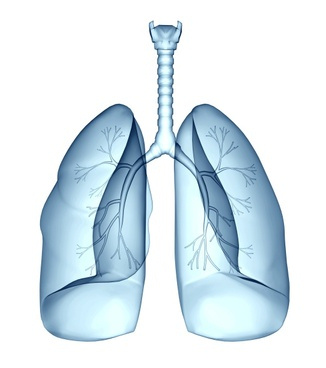
Asthma is a chronic inflammatory airway condition that affects an estimated 300 million people worldwide and has been associated with significant morbidity and mortality. According to the World Health Organization, asthma was associated with approximately 250,000 deaths globally in 2007. Standard medical therapies play a central role in the management of asthma and in preventing life-threatening exacerbations. At the same time, research has explored how nutrition, medication use patterns, and other nonpharmacologic factors may influence symptom severity and disease control.
Medication use patterns have been examined as one contributor to asthma outcomes. An article published in Family Practice News (April 15, 1993) discussed concerns regarding excessive use of short-acting beta-agonist inhalers and reported that monitoring inhaler overuse might reduce asthma-related mortality. The article noted that frequent reliance on rescue inhalers may reflect inadequate disease control rather than optimal management.
Drug-induced asthma exacerbations have also been described. A review published in Annals of Allergy (June 1992; 68:453–462) reported that medications may contribute to a subset of asthma attacks. Nonsteroidal anti-inflammatory drugs (NSAIDs) were identified as common triggers among drug-associated cases, with other medications—including beta-blockers, muscle relaxants, and certain antibiotics—also implicated.
Nutritional factors have been investigated in relation to asthma severity and airway responsiveness. A randomized, placebo-controlled study published in the Journal of Asthma (2010; 47(1):83–92) examined magnesium supplementation in 55 adults aged 21 to 55 with mild to moderate asthma. Participants received either 340 mg of magnesium daily or placebo for approximately six and a half months. Asthma severity was assessed using pulmonary function testing, methacholine challenge testing, and quality-of-life questionnaires. The investigators reported that participants receiving magnesium demonstrated greater resistance to methacholine challenge, improved pulmonary function measures, and higher quality-of-life scores compared with the placebo group.
Antioxidant status has also been examined in asthma research. A meta-analysis published in Thorax (2009; 64(7):610–619) reported that higher dietary intake of vitamins A and C was associated with a lower prevalence of asthma in observational studies. Additional discussion in Clinical and Experimental Allergy (2000; 30:615–627) described potential roles for antioxidants such as beta-carotene and vitamin C in airway physiology. Earlier research published in the New England Journal of Medicine (1991; 325(8):586–587) reported elevated markers of oxidative stress in individuals with asthma compared with healthy controls.
Omega-3 fatty acids have likewise been studied in relation to inflammatory processes relevant to asthma. Research has explored associations between fatty acid intake and inflammatory markers, although findings have varied by population and study design.
Taken together, these studies reflect ongoing research into how medication use patterns, nutritional status, and inflammatory pathways may relate to asthma severity and control.







