TL;DR
Wildfire smoke, air pollution, and even seasonal ozone can irritate your lungs and increase oxidative stress. While avoiding exposure is the most important step, research suggests that a diet rich in antioxidants—and nutrients such as vitamin C and quercetin—may help support your lungs’ natural defenses.
Bad Air Is Becoming a Bigger Problem
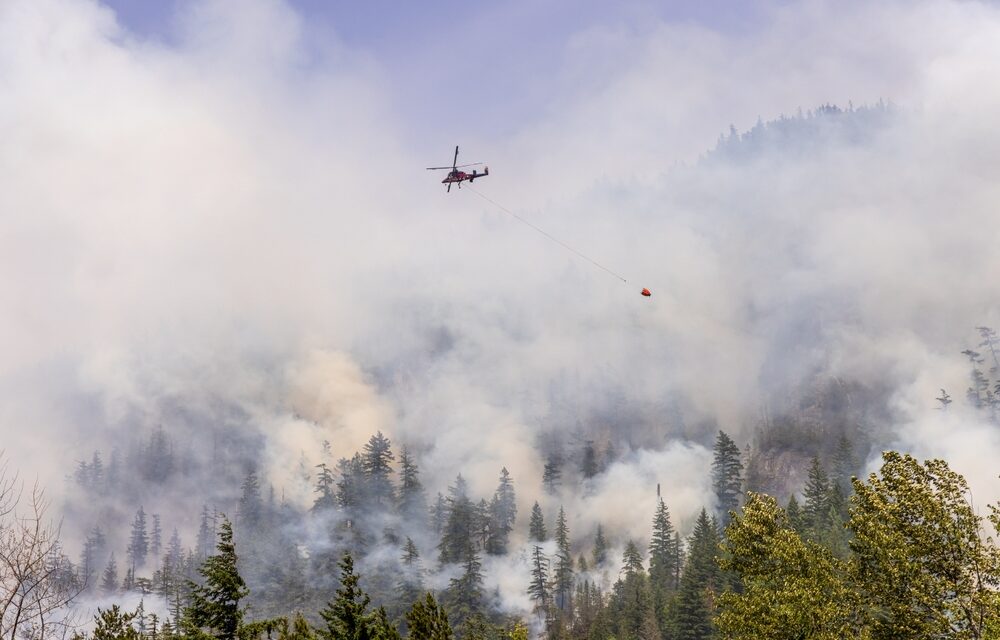
Whether it’s wildfire smoke drifting hundreds of miles, heavy traffic, industrial pollution, or summer ozone alerts, millions of people are breathing air that isn’t as clean as it should be.
Poor air quality doesn’t just affect people with asthma or COPD. Even healthy people may notice irritated eyes, sore throats, coughing, reduced exercise tolerance, or fatigue after spending time outdoors when air quality is poor.
Your lungs have remarkable defenses, but they aren’t indestructible.
Why Dirty Air Causes Problems
Tiny particles and pollutants can trigger inflammation and increase the production of harmful free radicals inside the lungs. Over time, this oxidative stress may damage airway cells and make breathing more difficult—especially in people with allergies or existing lung disease.
Fortunately, your body has its own antioxidant defense system. The healthier those defenses are, the better your lungs may be able to respond to environmental stress.
Two Nutrients for Lung Health
Vitamin C
Vitamin C is found in especially high concentrations in lung tissue, where it helps neutralize free radicals and supports normal immune function. Eating plenty of fruits and vegetables—or supplementing when appropriate—may help maintain these natural defenses.
Quercetin
Quercetin is a plant compound found in onions, apples, berries, and many other fruits and vegetables.
Laboratory and animal studies suggest quercetin may:
- Reduce excess mucus production while preserving normal ciliary function.
- Help calm allergic airway inflammation.
- Reduce inflammatory signaling in airway cells.
- Relax airway smooth muscle, potentially supporting easier breathing.
Although more human studies are needed, these findings suggest quercetin may help support healthy lungs during periods of increased environmental stress.
Don’t Forget the Basics
Supplements work best when they’re part of an overall healthy lifestyle.
When air quality is poor:
- Consider wearing a mask
- Stay indoors when pollution levels are high.
- Keep windows closed if smoke is present.
- Exercise indoors if outdoor air quality is poor.
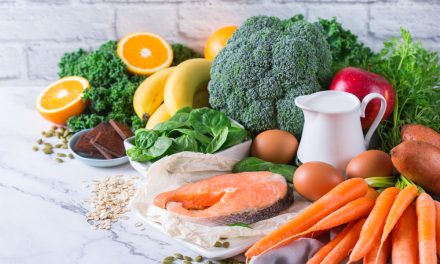
- Eat plenty of colorful fruits and vegetables.
- Stay well hydrated.
Every healthy habit helps reduce the “straws on the camel’s back.”
The Bottom Line
You can’t always control the air you breathe, but you can help your lungs prepare for it. A healthy diet, good hydration, and nutrients such as vitamin C and quercetin may help support your body’s natural defenses against smoke, pollution, and other environmental irritants.
Selected Research:
- Chang JH, et al. Dietary polyphenols affect MUC5AC expression and ciliary movement in respiratory cells and nasal mucosa. Am J Rhinol Allergy. 2010;24(2):e59–62
- Park H-J, et al. Quercetin regulates Th1/Th2 balance in a murine model of asthma. Int Immunopharmacol. 2009;9(3):261–7.
- Rogerio AP, et al. Anti-inflammatory effect of quercetin-loaded microemulsion in the airways allergic inflammatory model in mice. Pharmacol Res. 2010;61(4):288–97.
- Harwood M, et al. A critical review of the data related to the safety of quercetin and lack of evidence of in vivo toxicity, including lack of genotoxic/carcinogenic properties. Food Chem Toxicol. 2007;45(11):2179–205.
- Nanua S, et al. Quercetin blocks airway epithelial cell chemokine expression. Am J Respir Cell Mol Biol. 2006;35(5):602–10.
- Townsend EA, Emala CW Sr. Quercetin acutely relaxes airway smooth muscle and potentiates β-agonist-induced relaxation via dual phosphodiesterase inhibition of PLCβ and PDE4. Am J Physiol Lung Cell Mol Physiol. 2013;305(5):L396–403.