
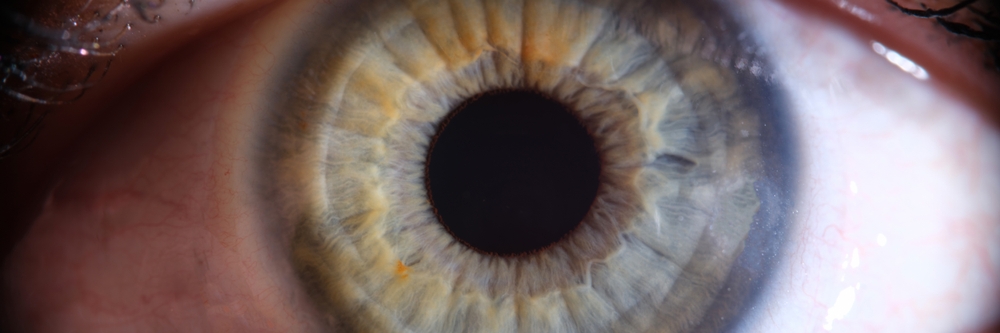
Dry Eyes: Look Beyond the Symptom
Artificial tears can provide temporary relief, but dry eye is often more than simply a lack of tears. Modern research recognizes dry eye as an inflammatory disorder in which tear instability, inflammation, and damage to the surface of the eye reinforce one another in a vicious cycle. Breaking that cycle is one of the main goals of treatment.
Nutrients That Help Keep the Eye Healthy
Scientists are finally redefining nutrient deficiency. Deficiency diseases, like beriberi, pellagra, and scurvy represent extreme deficiency. Problems caused by deficiency exist long before these severe symptoms appear [click to learn more about nutrient deficiency].
Vitamin A helps maintain healthy epithelial cells, goblet cells, tear production, and the protective mucin layer that keeps the eye moist [1,2]. Vitamin D helps regulate inflammation and immune function, while studies suggest deficiencies of both vitamins may contribute to dry eye in some people. Vitamin D has been extensively studied [4-11]. Other nutrients, including certain B vitamins, vitamins C and E, and omega-3 fatty acids, may also support healthy ocular function [3].
Reduce Inflammation to Improve the Eyes
Dry eye is increasingly recognized as an inflammatory condition [12]. An anti-inflammatory diet, better blood sugar control, adequate sleep, and addressing allergies or autoimmune disease may all help reduce the inflammatory burden. In some patients, anti-inflammatory nutrients may provide additional support as part of a comprehensive program.
A Common-Sense Approach to Dry Eyes:
Artificial tears can offer relief, but they do not address the cause. Like most things, treating the patient produces better results than simply treating the disease. Consider the following:
- Eat an anti-inflammatory, nutrient-rich diet: One of the best ways to bring inflammation under control is diet. Consider following the Roadmap to Health [click to download]. The Roadmap to Health is rich in nutrients and will help reduce inflammation.
- Test vitamin D levels: This is an inexpensive test and vitamin D is one of the best studied nutrients for addressing dry eyes.
- Vitamin A: Although other nutrients have been studied, vitamin A, along with vitamin D, has been well researched. Too much vitamin A can be toxic and it is best to seek professional advice. If you take it, do not take more than 25,000 IU for a week.
You could also take a multivitamin and some fish oil, but try the above first.
Bottom Line
Artificial tears may help you feel better, but they don’t always address why dry eye developed in the first place. Looking for nutrient deficiencies while reducing inflammation may remove several of the “straws” contributing to the problem. Vitamins A, D, and essential fatty acids seem especially important. Consider whether there are issues with the gallbladder or fat absorption.
Treat YOU, Not the Disease:
We know that inflammation and nutrient deficiency can contribute to dry eyes. What are your sources of inflammation? Is it insulin resistance, which can be a source of inflammation? Are there issues with digestion or the microbiome? Do you have dry or itchy skin (maybe there is an issue with absorbing fat-soluble nutrients or even an issue with the gallbladder). Physiologic insults like these are like straws on the camel’s back. Removing them makes the “back” healthier.
Selected Resources:
- 1997;211(6):358-61 Effect of retinol palmitate as a treatment for dry eye: a cytological evaluation
- Clin Ophthalmol. 2019 Apr 10;13:599–604. Effects of short-term oral vitamin A supplementation on the ocular tear film in patients with dry eye
- Sci. 2022, 12(9), 4567; Dry Eye Disease and Vitamins: A Narrative Literature Review
- Yoon, S.Y.; Bae, S.H.; Shin, Y.J.; Park, S.G.; Hwang, S.H.; Hyon, J.Y.; Wee, W.R. Low Serum 25-Hydroxyvitamin D Levels Are Associated with Dry Eye Syndrome. PLoS ONE 2016, 11, e0147847.
- Yildirim, P.; Garip, Y.; Karci, A.A.; Guler, T. Dry eye in vitamin D deficiency: More than an incidental association. Int. J. Rheum. Dis. 2016, 19, 49–54.
- Kuo, C.Y.; Huang, Y.C.; Lin, K.J.; Tsai, T.Y. Vitamin D Deficiency Is Associated with Severity of Dry Eye Symptoms and Primary Sjögren’s Syndrome: A Systematic Review and Meta-Analysis. J. Nutr. Sci. Vitaminol. 2020, 66, 386–388.
- Meng, Y.F.; Lu, J.; Xing, Q.; Tao, J.J.; Xiao, P. Lower Serum Vitamin D Level Was Associated with Risk of Dry Eye Syndrome. Med. Sci. Monit. Int. Med. J. Exp. Clin. Res. 2017, 23, 2211–2216.
- Shetty, R.; Sethu, S.; Chevour, P.; Deshpande, K.; Pahuja, N.; Nagaraja, H.; Pindipapanahalli, N.; Ghosh, A. Lower Vitamin D Level and Distinct Tear Cytokine Profile Were Observed in Patients with Mild Dry Eye Signs but Exaggerated Symptoms. Transl. Vis. Sci. Technol. 2016, 5, 16.
- Askari, G.; Rafie, N.; Miraghajani, M.; Heidari, Z.; Arab, A. Association between vitamin D and dry eye disease: A systematic review and meta-analysis of observational studies. Contact Lens Anterior Eye J. Br. Contact Lens Assoc. 2020, 43, 418–425.
- Kurtul, B.E.; Özer, P.A.; Aydinli, M.S. The association of vitamin D deficiency with tear break-up time and Schirmer testing in non-Sjögren dry eye. Eye 2015, 29, 1081–1084.
- Lee, J.H.; Kim, S.J.; Byun, Y.S.; Lee, J.; Park, S.H.; Chung, S.H. The Association of Serum Vitamin D Level With the Severity of Dry Eye Parameters in Primary Sjögren Syndrome. Cornea 2020, 39, 702–705.
- Eye Contact Lens. 2014 Jul;40(4):248–256. The Core Mechanism of Dry Eye Disease (DED) Is Inflammation







