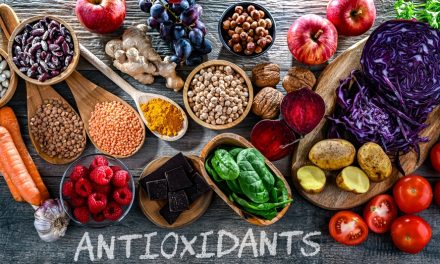
(Educational only — not medical advice)
Carotenoids are natural plant pigments that give fruits and vegetables their bright colors. They help your body convert some foods into vitamin A, and they support eye health, immunity and more.
You’ve probably heard of beta-carotene (in carrots) — but there are others worth knowing:
• Lycopene (in tomatoes)
• Lutein & zeaxanthin (in spinach, kale)
• Alpha-carotene (in orange-hued veggies)
• Astaxanthin (in pink salmon)
• Beta-cryptoxanthin (in certain citrus fruits)
What the Research Shows
In one 2012 study, researchers looked at 584 older African-American women; 77 had glaucoma in at least one eye. The women who ate more fruits and veggies rich in vitamin A, vitamin C and carotenoids were less likely to have glaucoma [1].
Specifically, women eating 3 or more servings of fruits/fruit juices per day and more leafy greens like kale had about half the risk of glaucoma compared to women eating much less.
Even more recent reviews of the data show a consistent trend: higher carotenoid intake = better eye-health outcomes [2,3]. One study looked at macular pigment in patients with glaucoma; it found that supplementation with a formulation containing the carotenoids lutein, zeaxanthin, and meso-zeaxanthin produced improvement [4]. Data from the NHANES survey, looking at over 6,000 subjects found that higher antioxidant intake was linked to better eye health [5].
Important Note
This was an observational study (meaning it “looked at” what people ate, rather than assigning diets).
Supplements may help in some cases, but they do not appear to replace the benefits of colorful, whole foods.
So What Can You Do?
Here are some simple, daily steps to support eye health:
- Add 2–3 servings of dark leafy greens (spinach, kale)
- Include 1 orange-colored vegetable (carrots, sweet potato)
- Have tomatoes or tomato sauce 2–3 times per week
- Eat 2 servings of fruit daily (berries, citrus, melon)
- Make it colorful: aim for 3 different colors on your plate
- Don’t rely on supplements only — whole foods lead the way.
Most importantly: check with your eye doctor — and feel free to share this research with them. It may help support others, too. You can also work with doctors trained in natural healthcare if you have glaucoma or are at risk.
Related Articles:
Nutrients Reduce the Risk of Cataracts
We’ve Always Heard Carrots Were Good for the Eyes–What About Broccoli?