
Oxidative stress and inflammation sit at the center of many chronic health problems. This article explains how free radicals, antioxidants, the microbiome, and inflammation interact—and why this matters for conditions ranging from cardiovascular disease to cognitive decline.
Why Antioxidants Matter for Health
Free radicals are like chemical “bullets.” They are highly reactive, unstable atoms or molecules that have an unpaired electron, causing them to steal electrons from healthy cells—a process that creates damage known as oxidative stress.
Oxidative stress affects many systems in the body. Free radical damage has been linked to inflammation, cardiovascular disease, metabolic disorders, brain degeneration, and aging. It can even affect fertility and sperm count. Because of this, antioxidants play an important role in many areas of health.
Beyond protecting cells, antioxidants help manage chronic inflammation, lower the risk of diseases such as cancer and heart disease [4], support cognitive health, and reduce skin damage from UV radiation. They work as reducing agents that interrupt free radical chain reactions, prevent oxidation of LDL cholesterol, and help protect cells and tissues from damage.
Inflammation
Free radicals damage cells, resulting in inflammation [1,3]. This damage activates immune cells, triggering the release of inflammatory chemicals. Inflammation is linked to disease, including heart disease, cancer, dementia (including Alzheimer’s), neuroinflammation, and almost any chronic disease you can name. The brain, because of its lipid content, is especially vulnerable to inflammation.
The Microbiome
The interplay between the microbiome, oxidative stress and inflammation is increasingly recognized. An unhealthy microbiome can be a source of oxidative stress and inflammation. In turn, oxidative stress and inflammation may affect the microbiome by altering microbial diversity and function. These disturbances are believed to create a vicious cycle that further disrupts homeostasis and promotes the appearance of different diseases [2].
Antioxidants Protect Your Cells and Reduce Inflammation
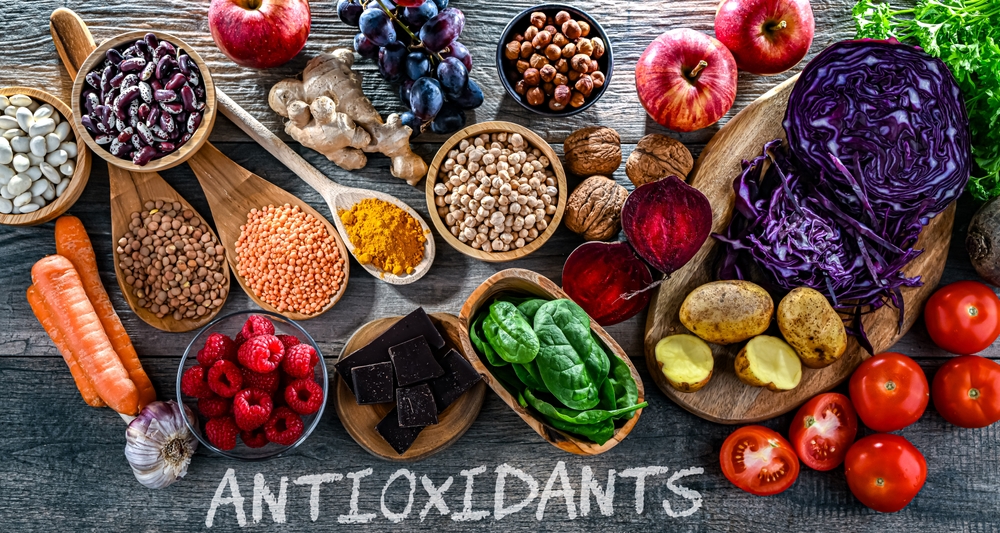
Start with food: Fresh produce contains polyphenols and carotenoids. These are natural antioxidants and multiple studies have shown that they protect against disease. Read The Roadmap to Health and Eat Your Way Out of Pain to understand how you can literally heal with diet. Good food will contain:
- Polyphenols [5]
- Carotenoids
- Trace nutrients: We commonly think of vitamins A, C, D, and E as antioxidants—and they are, but other nutrients can improve antioxidant status even if they are not “antioxidants”. Examples include vitamin B6, though not an antioxidant, it is a cofactor that helps the body get rid of homocysteine, which is highly inflammatory. Other such nutrients include zinc, thiamin, magnesium and many others.
Bad food makes matters worse:
- Sugar and refined food
- Chemical additives
- Processed foods, especially processed oils.
- Food that has been sprayed with pesticides or herbicides
- GMOs, frequently because they are often designed to tolerate a lot of spraying.
Supplements:
Many antioxidant supplements have been studied and found to be beneficial. Added to a good diet, supplements can often improve results.
- Polyphenols: Many polyphenols have been studied individually. These include resveratrol, ECGC (from green tea), quercetin, lignans, hesperidin, grape seed extract (proanthocyanidins), pine bark extract (pycnogenol), and silymarin to name a few.
- Carotenoids: These include beta-carotene, lutein, zeaxanthin, lycopene, astaxanthin, and alpha-carotene.
- Vitamin A:
- Vitamin C:
- Vitamin E:
- CoQ10: Added to all the good things it does for your body, CoQ10 is also an antioxidant.
The Bigger Picture
Oxidative stress and inflammation go hand in hand. Free radicals damage cells and tissues, which can trigger inflammatory responses throughout the body. Over time this process is linked with many chronic health problems, including cardiovascular disease, neurodegenerative disorders, metabolic disease, and aging.
Antioxidants help counter this process. They neutralize free radicals, protect cell membranes and DNA, and support the body’s natural repair systems. The most powerful way to support antioxidant defenses is through a diet rich in whole foods—especially fruits, vegetables, herbs, and spices that contain polyphenols and carotenoids.
Supplements can sometimes provide additional support, particularly when diet, stress, environmental exposures, or illness increase oxidative stress. Nutrients such as vitamin C, vitamin E, carotenoids, polyphenols, and CoQ10 have all been studied for their role in protecting cells and maintaining healthy inflammatory balance.
The goal is not simply to take isolated nutrients, but to support the body’s overall chemistry through good food, proper nutrition, and a healthy lifestyle. When oxidative stress is reduced and inflammation is controlled, many aspects of health—from heart function to brain health—can improve.
Related Topics:
Phosphatidylserine and Memory: Early Research on Cognitive Function
Brain Health, ADHD, Depression & Cognition: The Role of Inflammation, Stress & the Gut–Brain Axis
Research:
- 1996 Apr;12(4):274-7. Inflammation, free radicals, and antioxidants
- Antioxidants (Basel). 2026 Feb 8;15(2):222. Interplay of Microbiome, Oxidative Stress and Inflammation in Health and Disease
- Nature. 2000 Jan 20;408(6809):239-47. Oxidative stress and disease.
- Nutrients. 2018 Feb 20;10(2):277. Role of oxidative stress in cardiovascular disease.
- Nutrients. 2010 Oct;2(10):1231-1246. Dietary polyphenols and their health benefits.







