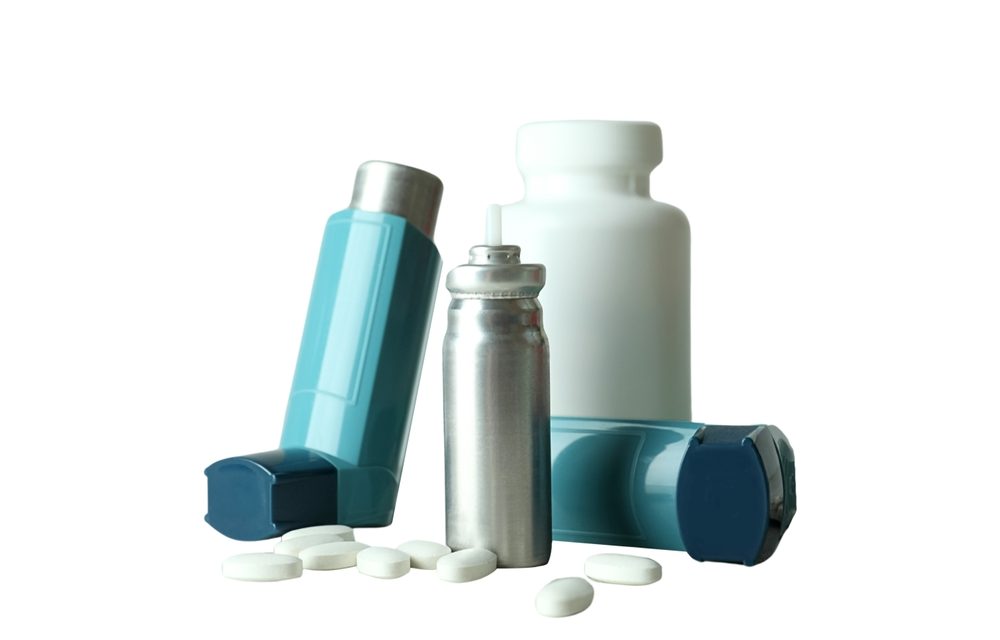
Do Some Asthma Inhalers Increase the Risk of Death?
Long-acting beta-agonist (LABA) inhalers, including salmeterol and formoterol, are commonly prescribed for asthma control. These drugs relax airway smooth muscle and provide prolonged bronchodilation. However, evidence from large clinical trials and meta-analyses has raised serious concerns about their safety.
A meta-analysis published in the Archives of Internal Medicine (July 15, 1997; 127(2):142–147) evaluated 19 randomized clinical trials involving 33,826 asthma patients. The analysis found that patients using long-acting beta-agonists were:
-
3.5 times more likely to die from asthma
-
2.5 times more likely to be hospitalized for asthma
compared with patients receiving placebo.
Although asthma-related death is relatively uncommon, the signal was consistent. Over a six-month period, 15 asthma-related deaths occurred in patients using LABAs, compared with three deaths in placebo groups.
Why Might These Drugs Increase Risk?
The concern is not that LABAs fail to relieve symptoms — they do. The problem is that they may mask worsening airway inflammation. While patients feel better due to bronchodilation, underlying bronchial inflammation and hyper-responsiveness may actually increase.
As the authors explain, tolerance to these drugs can develop over time. LABAs may improve airflow while simultaneously worsening asthma control without warning, leaving patients vulnerable to sudden, severe attacks.
What About Combination Inhalers?
Some LABAs are combined with inhaled corticosteroids, such as salmeterol plus fluticasone (Advair). While corticosteroids reduce inflammation, the data suggest this combination does not eliminate the risk.
The meta-analysis found that hospitalizations still doubled in patients using LABA–steroid combinations compared with patients using anti-inflammatory therapy alone.
The largest trial included — the Salmeterol Multicenter Asthma Research Trial (SMART) involving over 26,000 patients — reported:
-
A fourfold increase in asthma-related deaths
-
A twofold increase in life-threatening asthma events
When older patients with chronic obstructive pulmonary disease were excluded, the risk of asthma-related death associated with salmeterol rose to sixfold.
Population-Level Impact
In the United States, approximately 5,000 asthma-related deaths occur each year. Based on the statistical analysis, the authors estimated that up to 4,000 of these deaths may be attributable to long-acting beta-agonists.
Hospitalization data were similarly concerning. Across the trials, 53 of 3,083 LABA users were hospitalized for asthma, compared with 12 of 2,008 placebo users — translating to one excess hospitalization for every 71 patients treated per year.
Key Takeaway
Long-acting beta-agonists effectively relieve asthma symptoms, but relief does not equal control. By suppressing symptoms while allowing airway inflammation to progress, these medications may increase the risk of severe asthma events, hospitalization, and death — even when combined with anti-inflammatory drugs.
Asthma management should prioritize inflammation control and airway stability, not just symptom suppression.