
Citrus Bioflavonoids and Oxidative Stress
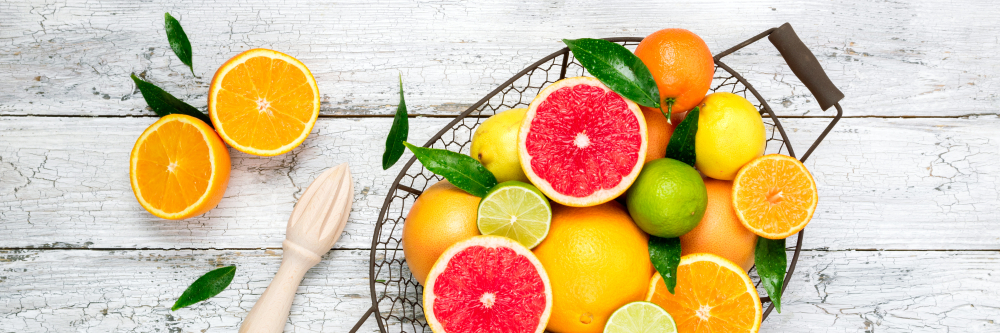
Bioflavonoids are natural compounds found in citrus fruits that have antioxidant properties. Researchers have studied several citrus bioflavonoids—including hesperidin, hesperetin, and neohesperidin—for their ability to protect cells from oxidative damage.
In laboratory studies, these compounds helped protect cells exposed to oxidative stress. They reduced cell damage, helped maintain healthy cell membranes, and increased the activity of catalase, one of the body’s natural antioxidant enzymes.
Researchers have also become interested in citrus bioflavonoids because oxidative stress is believed to contribute to many chronic diseases, including neurodegenerative disorders. While laboratory studies suggest these compounds may help protect nerve cells from oxidative damage, more research is needed to determine whether these benefits translate into meaningful clinical effects in humans.







