
Editor’s Note: This article was originally published in 2018 and is preserved for historical interest. Some recommendations, regulations, and scientific evidence have changed since it was written. It reflects the research and perspectives available at that time.
A cross-sectional study published in the Journal of the American Dietetic Association (2009; 109(8): 1406–1410) compared 100 hospitalized patients with heart failure to healthy controls. Vitamin deficiencies were significantly more common in the heart failure group.
-
Vitamin B6 deficiency was present in 38% of heart failure patients, compared with 19% of controls
-
Riboflavin (vitamin B2) deficiency was found in 27% of heart failure patients, compared with just 2% of controls
Notably, the use of vitamin supplements did not eliminate these differences, suggesting that factors such as impaired absorption, increased metabolic demand, medication effects, or altered nutrient utilization may contribute to micronutrient deficiencies in heart failure patients.
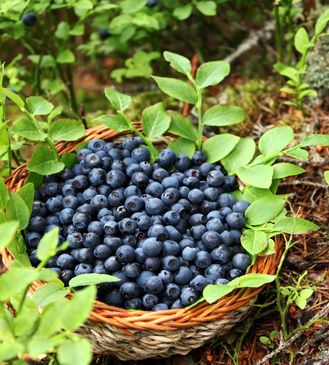
Laboratory research has examined the effects of bilberry-derived compounds on chemically induced kidney injury. A study published in the Journal of Agricultural and Food Chemistry (February 13, 2008; Vol. 56, No. 3) investigated whether an anthocyanin-enriched bilberry extract could influence markers of renal damage in an animal model.
In the study, mice were exposed to potassium bromate (KBrO₃), a chemical used as a food additive in bread making and known to induce oxidative stress, nephrotoxicity, and hearing loss at sufficient doses. The animals received potassium bromate at levels designed to produce measurable kidney injury. Separate groups of mice were then administered bilberry extract at doses of 50, 100, or 200 mg/kg daily for five days.
Following bilberry supplementation, the researchers observed normalization of blood urea nitrogen (BUN) and creatinine levels—biochemical markers commonly used to assess kidney function. In addition, bilberry treatment was associated with reductions in malondialdehyde, nitric oxide, and xanthine oxidase, all of which are indicators of oxidative stress and tissue injury.
The authors concluded that the bilberry extract reduced oxidative damage in renal tissue under these experimental conditions. The protective effects were attributed to the antioxidant activity of anthocyanins, a class of flavonoids found in bilberries and related fruits such as blueberries.
The findings were limited to an animal model of toxin-induced kidney injury and were presented as mechanistic evidence rather than clinical outcomes.







