
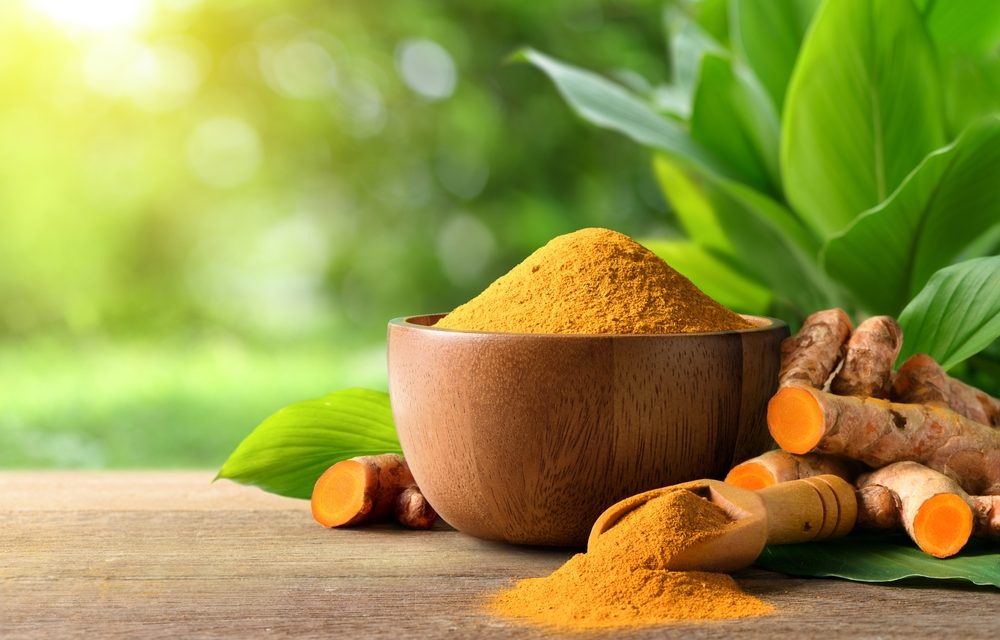
Curcumin is a bioactive compound derived from turmeric (Curcuma domestica), a spice commonly used in curry. Several clinical studies have compared turmeric extracts with standard anti-inflammatory medication in patients with knee osteoarthritis.
A randomized study published in the Journal of Alternative and Complementary Medicine (2009; 15(8):891–897) examined 107 patients with osteoarthritis of the knee. Participants were assigned to receive either ibuprofen (800 mg per day) or Curcuma domestica extract for six weeks. Both groups demonstrated improvements in knee pain and functional measures during daily activities. The investigators reported that the turmeric extract produced pain reduction comparable to ibuprofen over the study period.
A larger randomized study published in Clinical Interventions in Aging (2014; 9:451–458) compared the efficacy and safety of Curcuma domestica extract with ibuprofen in 367 patients with knee osteoarthritis. Participants reported baseline pain scores of 5 or higher on a 10-point scale and received either 1,200 mg of ibuprofen daily or turmeric extract. Outcomes were assessed using the Western Ontario and McMaster Universities Osteoarthritis Index (WOMAC), a standardized tool that evaluates pain, stiffness, and physical function.
Across assessment points at weeks 0, 2, and 4, both groups showed significant improvement in WOMAC scores compared with baseline. No significant differences in overall WOMAC outcomes were observed between the ibuprofen and turmeric extract groups. However, gastrointestinal adverse events—particularly abdominal pain or discomfort—were reported more frequently in the ibuprofen group than in the group receiving Curcuma domestica extract.







