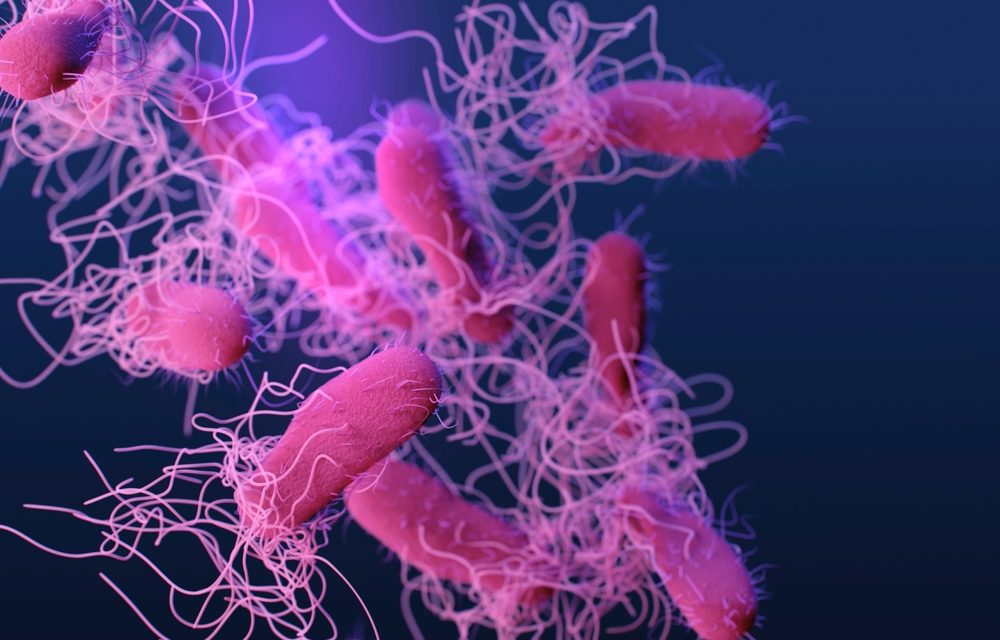
Antibiotic resistance happens when bacteria change in ways that make antibiotics less effective. While overuse of antibiotics is a major cause, research shows it is not the only factor.
Environmental Chemicals and Bacteria
Scientists have found that environmental chemicals can also influence antibiotic resistance. Certain chemicals place stress on bacteria, pushing them to develop survival tools. Sometimes, the same genetic tools that help bacteria survive chemicals also make them resistant to antibiotics.
Lawn Chemicals and Soil Bacteria
Studies of soil bacteria show that herbicides and pesticides can increase antibiotic resistance genes in the environment. Treated lawns and agricultural soils may act as reservoirs, where resistant bacteria grow and share resistance genes with other microbes. This does not mean lawn chemicals cause infections directly, but they may add to the overall resistance problem by increasing the number of resistant bacteria in the environment.
Heavy Metals and Resistance
More recent research has focused on heavy metals as a group, rather than on individual substances. Metals such as mercury, copper, and arsenic can encourage bacteria to keep resistance genes. These genes are often carried on small pieces of DNA called plasmids, which can spread easily between bacteria. When this happens, resistance to metals and resistance to antibiotics can increase together.
Early Research on Mercury
Earlier studies raised concerns that mercury exposure might increase antibiotic resistance in bacteria. Animal studies showed that mercury could encourage bacteria to develop resistance not only to mercury itself, but also to multiple antibiotics. While these studies were small and are now considered preliminary, they helped scientists understand how environmental stressors can shape bacterial resistance.
The Big Picture
Today, most researchers agree that antibiotic resistance is influenced by many factors. Antibiotic use remains the main driver, but environmental chemicals—including pesticides and heavy metals—may add to the problem by increasing the pool of resistant bacteria in soil, water, and living systems.