
A study published in Circulation (April 8, 2008; 117(14):1810–1819) examined whether folic acid could protect the heart from damage following myocardial infarction in an animal model.
In the study, rats were given either folic acid at a dose of 10 mg per day—a very high dose relative to body weight—or a placebo for one week. Myocardial infarction was then experimentally induced.
Rats that received folic acid demonstrated better cardiac function following the heart attack. They also showed lower levels of superoxide radicals and reduced cardiac muscle damage compared with the placebo group. The authors suggested that folic acid’s antioxidant effects may have contributed to the observed protection.
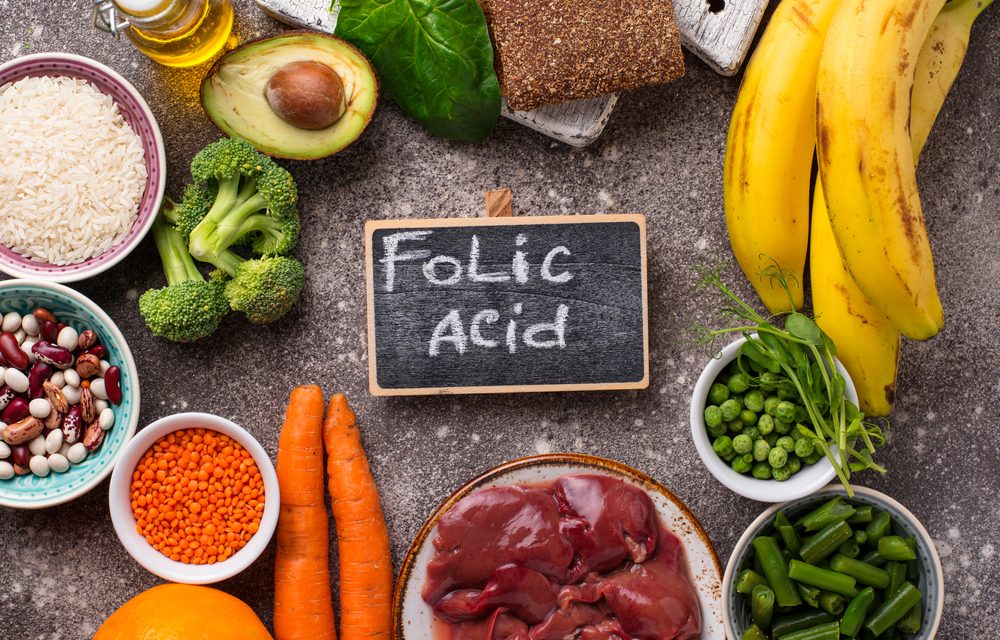
Folic acid is naturally found in green leafy vegetables. Because this research was conducted in animals using pharmacologic dosing, the findings were presented as mechanistic and exploratory rather than directly applicable to humans.







