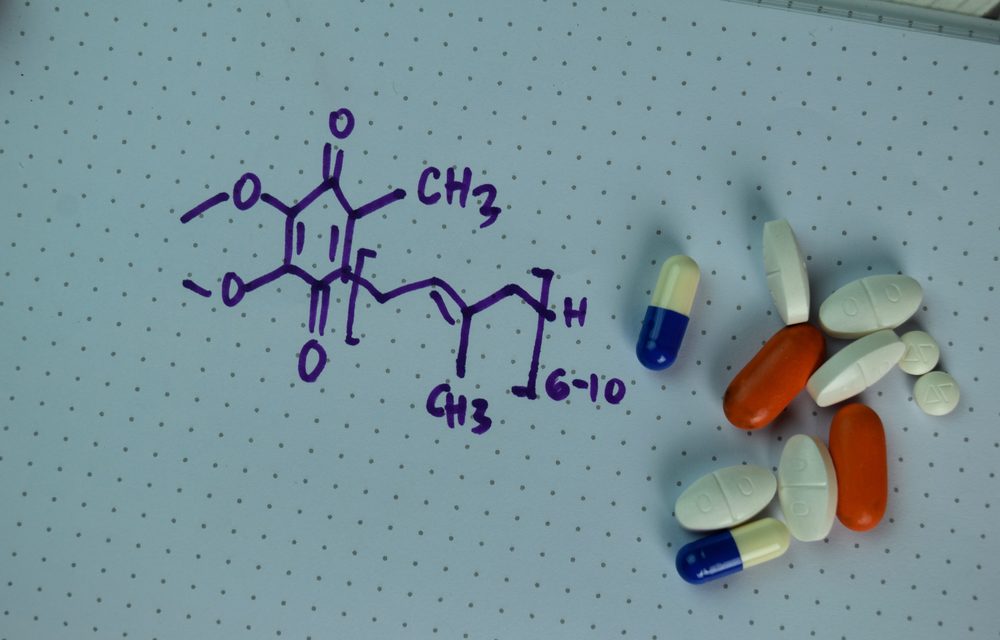
Research published in the Journal of the American Academy of Dermatology (2006; 54(2):234–241) examined the relationship between coenzyme Q10 (ubiquinone) levels and malignant melanoma. The study compared 117 patients diagnosed with melanoma to 125 matched control subjects who were free of cancer. Controls were matched for age, sex, occupation, and place of birth. The average age of participants was 55. Among the melanoma patients, 79 were in the early stages of disease and 38 were in later stages.
The researchers found that average ubiquinone levels were significantly lower in patients with melanoma compared with the cancer-free control group. In addition, CoQ10 levels appeared to be associated with disease progression. During the 34-month follow-up period, approximately 32% of melanoma patients developed metastases.
Patients who developed metastasis had substantially lower CoQ10 levels than those who did not. Metastatic disease occurred in 35 of the 82 patients with low CoQ10 levels, compared with only 3 of the 35 patients whose CoQ10 levels were higher. Mortality also differed between groups: 17 patients with low CoQ10 levels died during the study period, while no deaths occurred among patients with higher CoQ10 levels.
These findings suggest that CoQ10 status may be linked with disease severity and progression in malignant melanoma. However, this was an observational study and cannot determine whether low CoQ10 levels contribute to disease progression or instead reflect underlying disease burden. Further research would be needed to clarify the nature of this relationship. CoQ10 is best known for its role in cellular energy production and mitochondrial function.