TL;DR
High blood pressure is often called the “silent killer” because it usually causes no symptoms until significant damage has already occurred. Most people with mildly or moderately elevated blood pressure feel completely normal. When symptoms such as severe headaches, blurred vision, chest pain, shortness of breath, dizziness, or nosebleeds occur, blood pressure may be dangerously high and require prompt medical attention. The good news is that high blood pressure is usually easy to detect with a simple blood pressure check. Regular screening, maintaining a healthy weight, exercising, eating a diet rich in fruits and vegetables, and addressing factors such as insulin resistance can all help reduce your risk.
Can High Blood Pressure Cause Symptoms?
Blood pressure usually does not cause symptoms. If severe, however, you may experience:
- Shortness of breath
- Dizziness
- Nosebleeds
- Headaches
- Blurred vision
- Chest pain
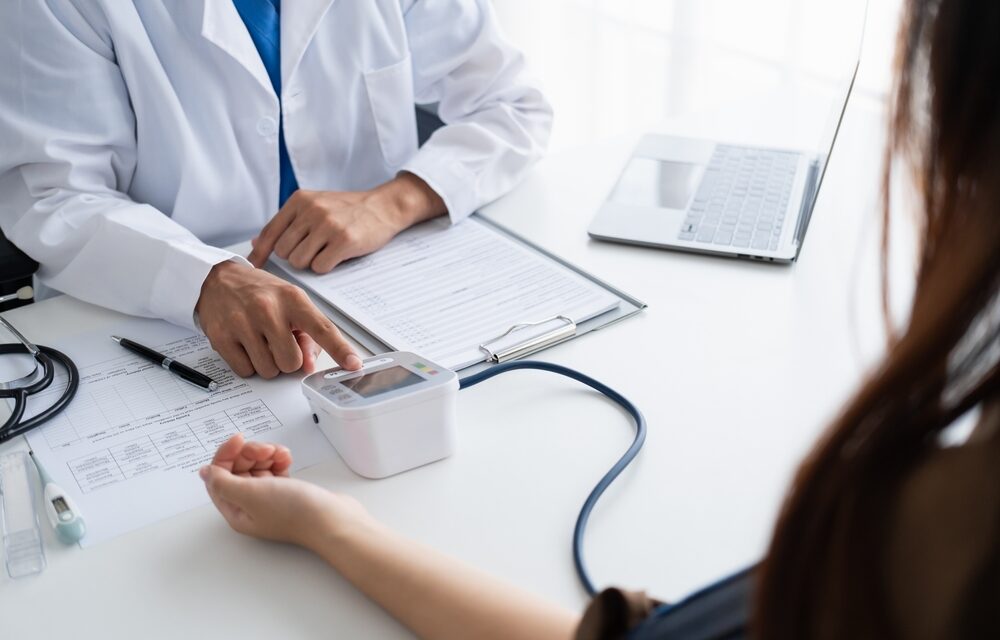
These may indicate that the blood pressure is too high, and you need medical attention. Blood pressure is easy enough to check, and you should do so regularly.
What Causes High Blood Pressure?
Blood pressure can increase with a loss of flexibility of the arteries. Obesity is another cause; the blood has farther to travel and pressure is increased. Inflammation from a processed diet can also increase blood pressure. Insulin insensitivity is one of the most common causes. To keep a healthy blood pressure, eat a diet that has a low glycemic load, is high in nutrients and antioxidants, and has a low glycemic load. Consider the Roadmap to Health.
Are There Natural Ways to Lower Blood Pressure
Yes. In many people, blood pressure responds well to lifestyle changes. Losing excess weight, exercising regularly, eating a diet rich in vegetables and other nutrient-dense foods, limiting excess sodium, avoiding smoking, and reducing alcohol intake can all help. Research also suggests that improving insulin sensitivity, reducing chronic inflammation, and eating more potassium-rich foods may support healthy blood pressure. Some supplements, such as magnesium, vitamin C, and omega-3 fatty acids, have also shown modest benefits in clinical studies. Before starting supplements or making major changes to your treatment plan, discuss them with your healthcare provider, especially if you are taking blood pressure medication.
Learn more:
- High Blood Pressure? Natural Solutions That Work (link)
- Blood Pressure Regulation: Angiotensin and Vascular Health (link)
- Could Insulin Resistance Be Raising Your Blood Pressure? (link)
- The Roadmap to Health (link)