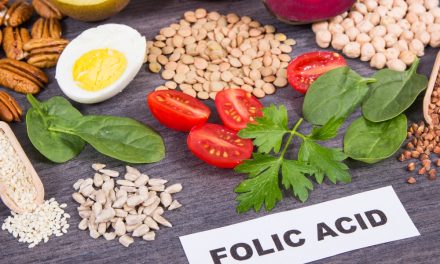
A cross-sectional study published in Psychosomatic Medicine (October 2010; 72:763–768; published online August 17, 2010) examined dietary B-vitamin intake in relation to depressive symptoms in early adolescence. The study included 6,517 participants between the ages of 12 and 15. Dietary intake was assessed using a diet history questionnaire, and depressive symptoms were defined by a score greater than 16 on the Center for Epidemiologic Studies Depression Scale.
The prevalence of depressive symptoms was reported as 22.5% among boys and 31.2% among girls. Intake of dietary folate and vitamin B6 was inversely associated with depressive symptoms in both sexes. Riboflavin (vitamin B2) intake was inversely associated with depressive symptoms in girls, but not in boys. As a cross-sectional analysis, the study identified associations but did not establish causation.
Interventional research has also examined B vitamins in relation to depression. A double-blind, placebo-controlled study published in the Journal of the American College of Nutrition (1992; 11(2):159–163) evaluated B-vitamin supplementation in geriatric patients with depression. Participants received thiamin, riboflavin, and pyridoxine at doses of 10 mg per day each, or placebo, in addition to their existing antidepressant therapy.
Participants receiving B-vitamin supplementation showed improvements in depression rating scales and cognitive function measures compared with controls. The authors reported that the B vitamins appeared to augment the effects of antidepressant medication in this population. An unexpected finding was that serum vitamin B12 levels increased in the treatment group, despite vitamin B12 not being included in the supplementation regimen. No comparable increase was observed in the placebo group.
Together, these studies reflect both observational and clinical research exploring relationships between B-vitamin status and depressive symptoms across different age groups, with findings varying by nutrient, population, and study design.