
TL;DR
-
Sinus infections often start as colds but can become chronic when the sinuses don’t drain properly.
-
Repeated antibiotics may not help — many chronic sinus cases are linked to fungal overgrowth rather than bacteria.
-
Strategies include hydration, thinning mucus, reducing inflammation, and natural antifungals such as oregano oil.
-
Chronic sinusitis may also be linked to allergies, dysbiosis, or structural issues that block drainage. It can lead to extreme fatigue.
What Are the Sinuses?
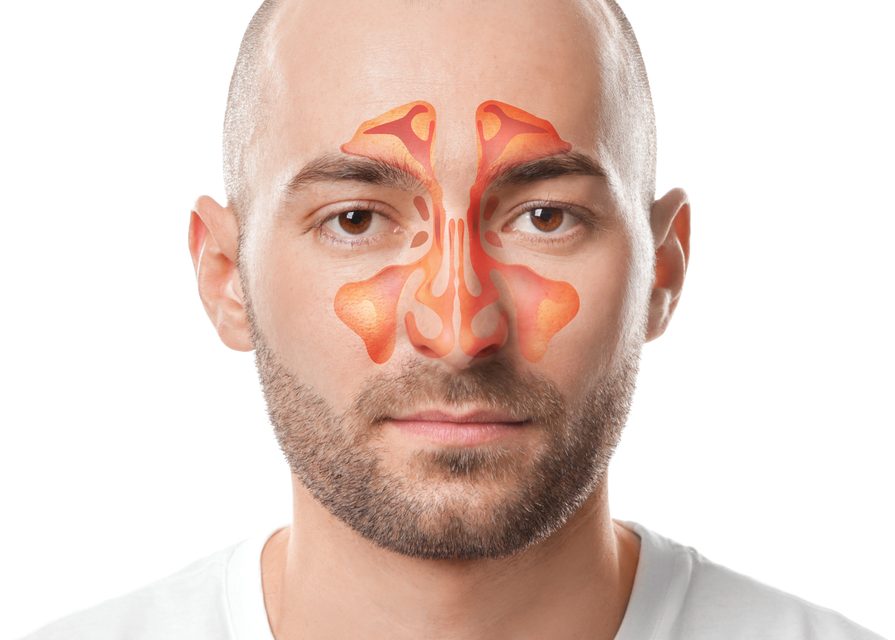
Your sinuses are hollow air spaces inside the bones of your face and skull, located around your nose, eyes, and forehead. They connect to your nasal passages through small drainage openings called ostea — tiny ducts about the size of a pencil lead.
When you catch a cold, these passages can become blocked, trapping mucus inside the sinuses. The warm, moist environment becomes an ideal place for fungus and bacteria to grow.
Common Symptoms of Sinus Congestion
-
Facial pressure or pain (around the eyes, nose, forehead, or cheeks)
-
Stuffy or runny nose
-
Loss or distortion of smell
-
Postnasal drip, sore throat, or cough
-
Fatigue or general malaise
When a sinus infection becomes chronic, people often feel like they have a cold that never ends. Constant pressure, headaches, and nasal drainage are common, and sleep can be disrupted by congestion.
Why Repeated Antibiotics May Not Work
Many people with sinusitis are given antibiotics again and again — but research shows this is often ineffective. A study in Pediatrics found that antibiotics performed no better than a placebo in preventing symptom recurrence¹.
Another study in Archives of Environmental Health found that fungal overgrowth in the air and sinus lining played a major role in chronic sinus problems².
Reducing airborne fungi and using saline irrigation improved sinus health. Additional studies³⁴ confirmed that fungal sinusitis and allergy often go hand-in-hand.
Natural Strategies for Sinus Health
1. Thin the mucus.
Hydration is key. Drink plenty of water throughout the day. Nutrients such as iodine can help thin mucus naturally, allowing it to drain more easily through the ostea.
2. Reduce inflammation.
Swelling of the sinus lining can block drainage. A clean, anti-inflammatory diet—rich in fruits, vegetables, omega-3 fats, and low in sugar—can help reduce swelling.
3. Soothe the sinus membranes.
Commercial sprays can irritate delicate tissue. Natural options—such as saline sprays or gentle botanical formulas—can calm and moisturize the sinus lining instead.
4. Irrigate regularly.
Use a saline rinse or neti pot to flush out allergens, debris, and mucus. This keeps the ostea open and the sinus environment healthy.
5. Address fungal overgrowth.
Chronic sinusitis is often fungal, not bacterial. Natural antifungals such as emulsified oregano oil can be effective against yeast and fungi when used under professional guidance.
Other Contributing Factors
Chronic sinus inflammation can have multiple root causes, including:
-
Allergies or asthma
-
Chronic infection (especially fungal)
- Hidden food sensitivity
-
Gut dysbiosis or immune imbalance
-
Liver or kidney congestion
-
Structural problems such as a deviated septum
Treating the sinuses directly—keeping mucus moving and reducing inflammation—can bring quick relief while you and your doctor explore deeper causes.
Related Articles:
Chronic Cough? Multiple Colds? Maybe It’s Your Sinuses
Catching a Lot of Colds? Maybe It Is Your Sinuses
FAQ Section
Q1. Why do sinus infections keep coming back?
Chronic sinus infections often involve fungi or inflammation, not just bacteria. If the sinuses can’t drain properly, the trapped mucus becomes a breeding ground for microbes.
Q2. Do antibiotics help chronic sinusitis?
Not always. Studies show antibiotics are often ineffective for chronic sinusitis because fungi and inflammation—not bacteria—are the main causes.
Q3. What natural remedies can help clear sinuses?
Hydration, saline irrigation, anti-inflammatory foods, and natural antifungals such as oregano oil can support healthy sinus function.
References
-
Family Practice News, April 1, 1992; 30.
Disclaimer
This information is for educational purposes only and not intended as medical advice. Consult doctors trained in natural healthcare.







