Do Gut Bacteria Cause Colon Cancer?
For years, scientists have known that people with colorectal cancer often have different gut bacteria than healthy individuals. The question has always been whether those bacterial changes cause cancer or simply develop because of the disease. A large 2022 review concluded that an unhealthy gut microbiome may contribute to colorectal cancer by increasing inflammation, producing harmful compounds, damaging DNA, and reducing the production of beneficial substances such as butyrate.[1,2]
New research has added another piece to the puzzle. Researchers found that people who had precancerous colon polyps removed still had altered gut bacteria and metabolites more than 10 years later. Those microbial patterns resembled those seen in people with colorectal cancer, suggesting that removing a polyp may not completely restore a healthy gut environment. The study also found that diet and physical activity were strongly associated with these microbial changes, raising the possibility that lifestyle plays an important role in long-term colon health. The study showed an association, not proof that changes in the gut microbiome cause colon cancer.[3]
The Bottom Line
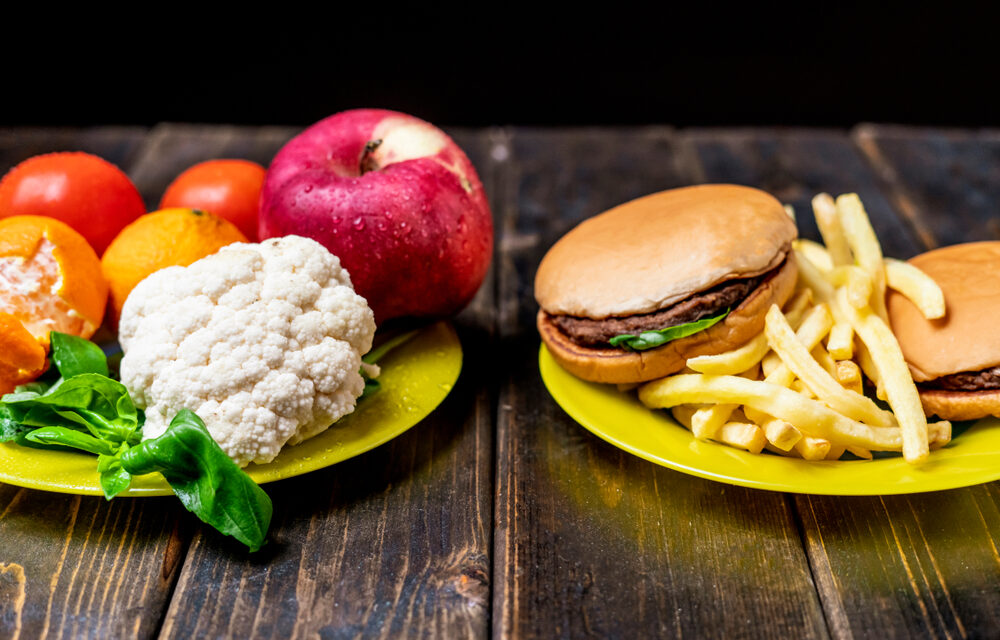
Researchers are increasingly viewing colorectal cancer as more than a disease of abnormal cells. The health of the gut microbiome, chronic inflammation, diet, and other lifestyle factors may all help shape the environment in which colon cancer develops. While scientists continue to sort out cause and effect, eating a high-fiber diet, limiting ultra-processed foods, staying physically active, and supporting a healthy gut microbiome are all consistent with current recommendations for good colon health.
Selected References
- Sci Rep. 2023 Apr 12;13(1):5968. Application of Mendelian randomization to explore the causal role of the human gut microbiome in colorectal cancer
- Front Immunol. 2022 Jan 7;12:807648. Potential Role of the Gut Microbiome In Colorectal Cancer Progression
- Cell Host & Microbe Long-lasting gut microbiome and fecal metabolome alterations after colorectal adenoma removal and their relationship to colorectal cancer