Saccharomyces boulardii: A Temporary Occupant That Can Lead to Lasting Results
Unlike most probiotics, Saccharomyces boulardii is a beneficial yeast rather than a bacterium. It does not permanently colonize the intestine. Instead, it passes through the digestive tract over several days, helping create an environment that allows beneficial bacteria to recover and flourish.
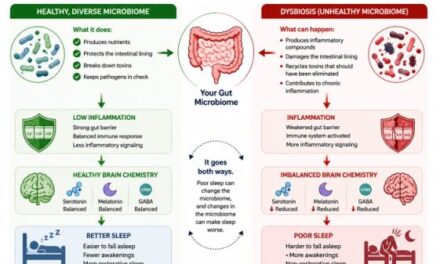
During its short stay, Saccharomyces boulardii works in several ways. It helps suppress the growth of certain harmful organisms, including Clostridioides difficile, reduces the effects of bacterial toxins, strengthens the intestinal barrier, and supports the immune system. Rather than permanently changing the microbiome, it appears to act as a temporary helper that encourages the microbiome to return to a healthier balance after it has been disrupted by antibiotics, infections, or intestinal inflammation. [1,2]
Saccharomyces boulardii and Antibiotic-Associated Diarrhea
The strongest evidence for Saccharomyces boulardii comes from preventing antibiotic-associated diarrhea. Antibiotics can disrupt the normal balance of bacteria in the intestine, allowing harmful organisms to gain a foothold. Numerous clinical studies have found that taking Saccharomyces boulardii during and after antibiotic treatment can reduce the risk of diarrhea and may also help lower the risk of recurrent Clostridioides difficile infection [7,8]. Because it is a yeast rather than a bacterium, Saccharomyces boulardii is not killed by antibiotics and can be taken at the same time as antibiotic therapy.
Saccharomyces Boulardii and Inflammatory Bowel Disease
Inflammatory bowel disease (Crohn’s disease and ulcerative colitis) is associated with chronic inflammation, increased intestinal permeability, and significant disturbances of the gut microbiome. Several studies suggest that Saccharomyces boulardii may help address some of these underlying problems.
Research indicates that it can strengthen the intestinal barrier, reduce inflammatory signaling, and help protect the intestinal lining from harmful bacterial toxins. Clinical trials have produced mixed results, so Saccharomyces boulardii should not be considered a primary treatment for inflammatory bowel disease. However, because it targets several of the underlying physiologic problems seen in IBD, it may represent another “straw” worth removing in selected patients as part of a broader treatment program [3-6].
Selected References:
- Adv Ther. 2024 Jan 30;41(3):901–914. Can the Evidence-Based Use of Probiotics (Notably Saccharomyces boulardii CNCM I-745 and Lactobacillus rhamnosus GG) Mitigate the Clinical Effects of Antibiotic-Associated Dysbiosis?
- Physiology & Behavior Volume 236, 1 July 2021, 113411 Saccharomyces boulardii ameliorates gut dysbiosis associated cognitive decline
- Immunopharmacol Immunotoxicol. 2018 Dec;40(6):465-475. Review of Saccharomyces boulardii as a treatment option in IBD
- Dig Dis Sci. 2000 Jul;45(7):1462-4. Saccharomyces boulardii in maintenance treatment of Crohn’s disease
- Scand J Gastroenterol. 2008;43(7):842-8. Influence of Saccharomyces boulardii on the intestinal permeability of patients with Crohn’s disease in remission
- Aliment Pharmacol Ther. 2009 Oct 15;30(8):826-33. Review article: anti-inflammatory mechanisms of action of Saccharomyces boulardi
- Aliment Pharmacol Ther. 2015 Oct;42(7):793-801 Systematic review with meta-analysis: Saccharomyces boulardii in the prevention of antibiotic-associated diarrhoea
- Am J Gastroenterol. 2006 Apr;101(4):812-22. Meta-analysis of probiotics for the prevention of antibiotic associated diarrhea and the treatment of Clostridium difficile disease